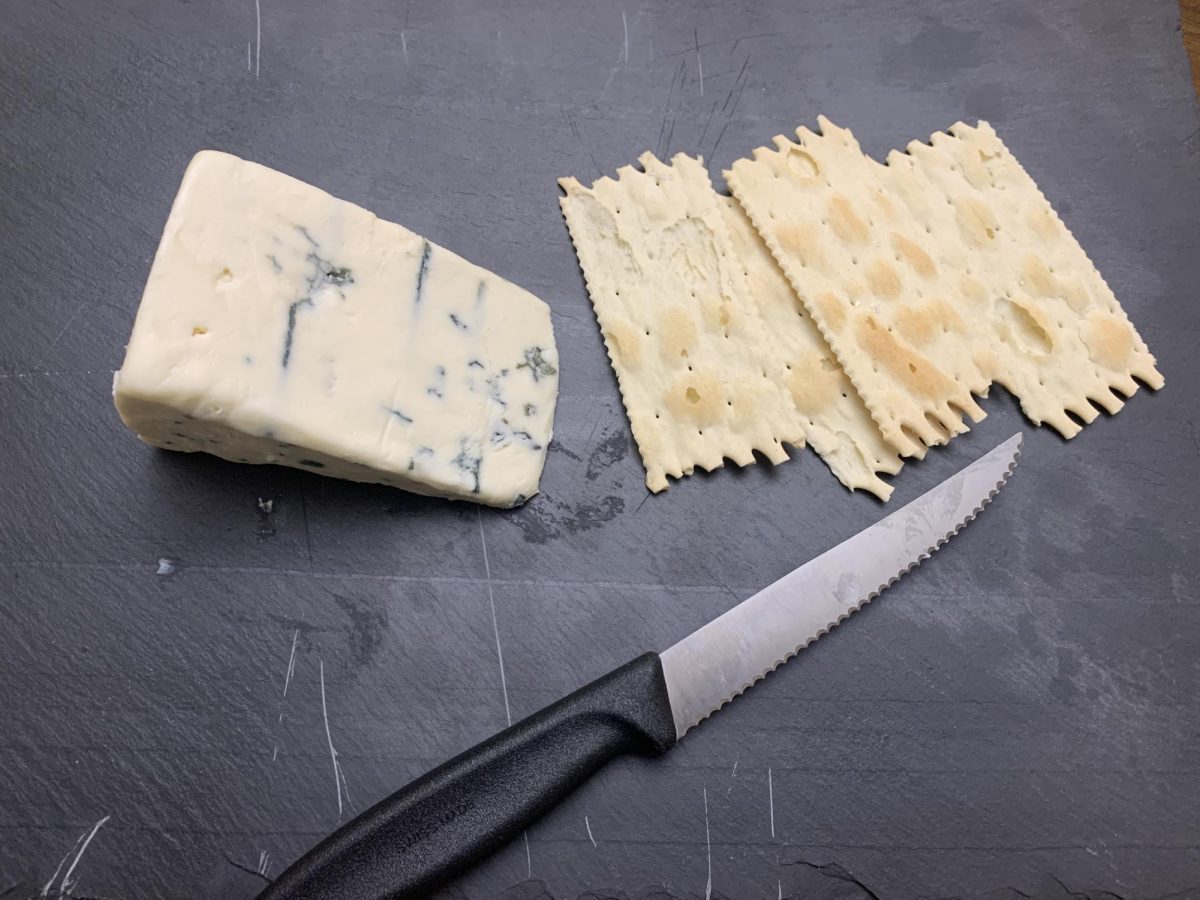
Welcome back to the cheese corner. While the rest of Haven is warming up for spring, we’ll be turning our attention someplace colder with Norway’s Jarlsberg cheese.
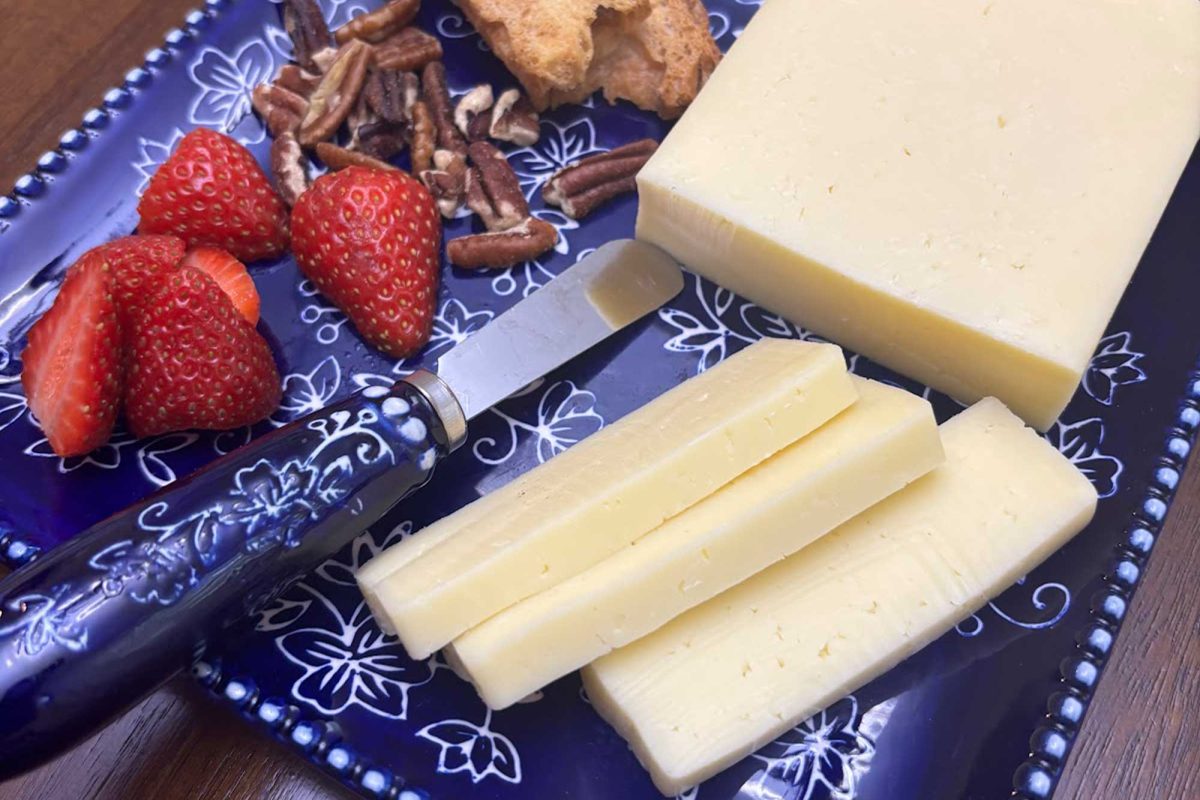
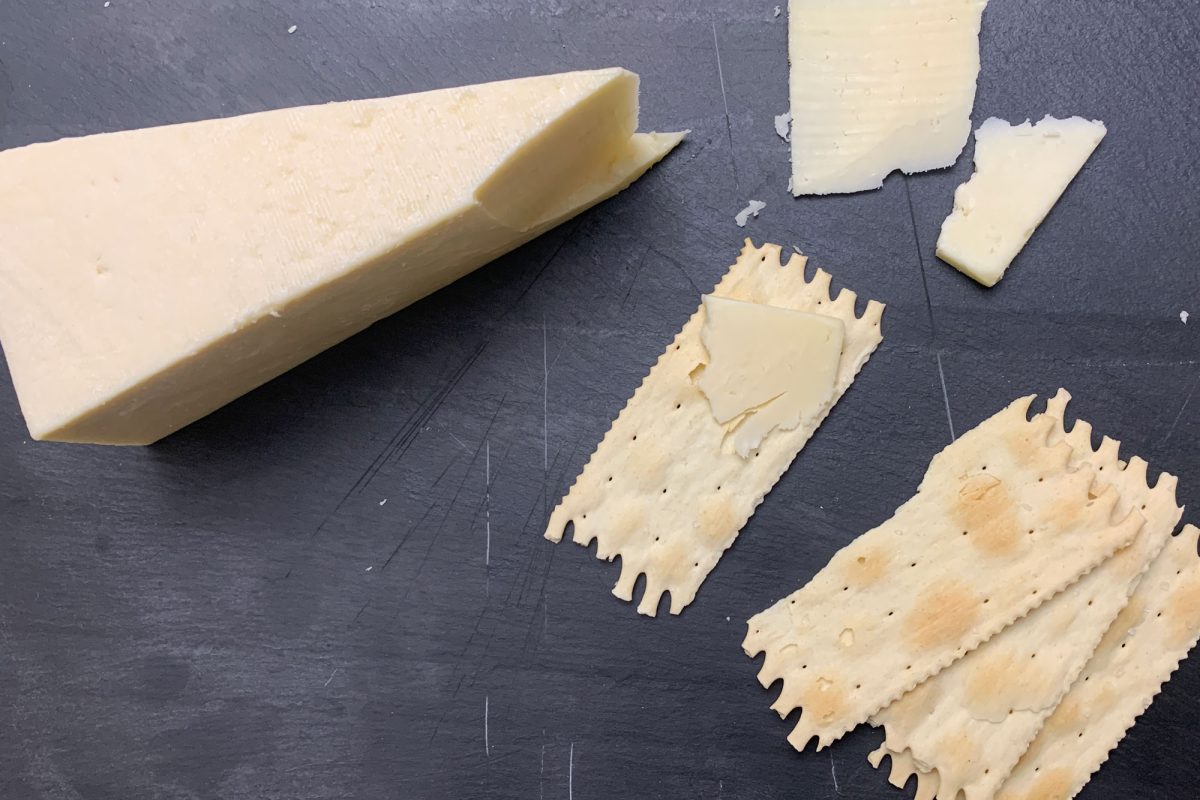
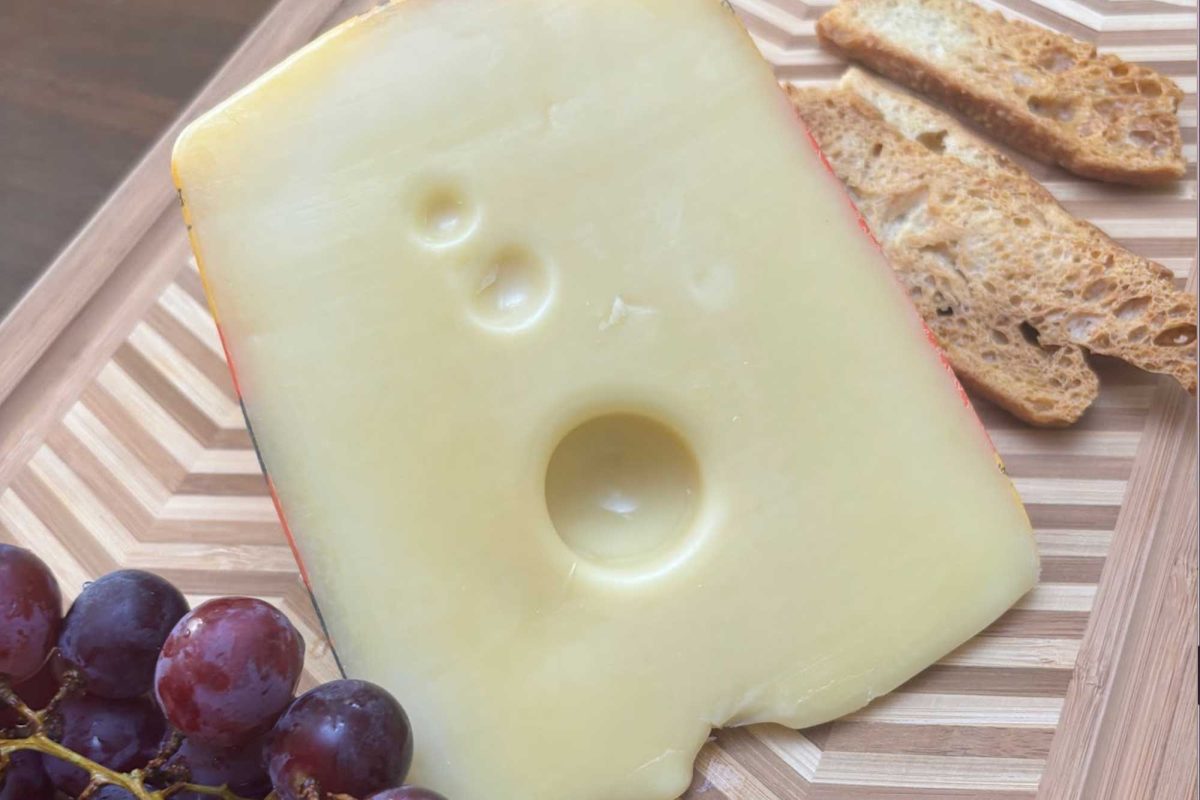
Jarlsberg is similar to Swiss cheese and is categorized as a Swiss type, even having the famous holes across its yellow sides. Emmental, the cheese most associated with the Swiss cheese name, is the type it is most often compared to.
While I can’t say Swiss is my favorite type of cheese, Jarlsberg is certainly among its best. With a distinct nutty taste and subtle sweetness, it’s great served alongside bread or crackers. Jarlsberg is quite versatile and can also go on sandwiches or even pizza.
Jarlsberg has a fairly recent history, originating in 1800s Norway from a farmer named Anders Larsen Bakke. The name Jarlsberg comes from the Norwegian Count Wendel Jarlsberg, whose land and manor was located where the cheese was developed in its early years.
Initially inspired by Swiss cheesemakers, Bakke’s cheese would gain and then lose popularity, before being revived almost a century later in 1956 by dairy leader Professor Ole Martin Ytsgaard. With his research team at the Agricultural University of Norway, Ytsgaard would develop the modern version of the cheese by blending traditional elements with contemporary dairy research.
Jarlsberg is produced from pasteurized cow milk in Norway, as well as in Ireland and Ohio. While the exact details of how official Jarlsberg is made are kept secret by its trademark owner, Norwegian dairy company Tine, the recipe for Norwegian Jarlsberg style is mostly replicable.
First, heat milk. Then, add cultures. After that, add rennet to coagulate the curds. Once they have coagulated, cut the curds. Next, heat them with warm water and separate them from under the whey. With the kurds now separated, you should press them into a mold. After that, salt them in brine and let them dry from the salt. Finally you can begin the aging process.
Jarlsberg is aged for 8-10 weeks, but the aging can be extended to over three months for a riper flavor.
The main secret in the recipe is the specific culture and formula. We do know that a mysterious bacteria called propionibacterium shermanii gives the cheese its flavor.
What isn’t mysterious about Jarlsberg is that it is a fantastic cheese for anyone who enjoys the Swiss style with some variation.