Stories are all around us.
Whether it’s the poem with too many stanzas that you have to read for English or the show that you’ve been binge watching for the past month, or even the little mistake you made on the math homework that you’ve been venting to your friends about, stories are everywhere.
Because stories are everywhere, it’s important to tell them, and to tell them well. This makes the medium of a story an important part of the way a story is told, as there are many forms of storytelling, with two important types being filmmaking and writing.
Filmmaking provides visuals that can enhance a story and help convey situations and emotions better than if they were merely described. According to junior and Film Club co-president Wyatt Stevens, filmmaking allows for the use of more creative tools, such as editing and lighting.
These parts of filmmaking can help make a topic easier to understand through things like colors and facial expressions. According to Stevens, they can help build a story that people can better understand, allowing for clearer messages to be conveyed when compared to a book.
“[In a film], you can cast an actor you want, so that’s what the character looks like, and you can give more notes as a director. ‘Make this expression, convey this feeling more.’ Whereas through a book, I feel like [words] are more open to interpretation,” Stevens said.
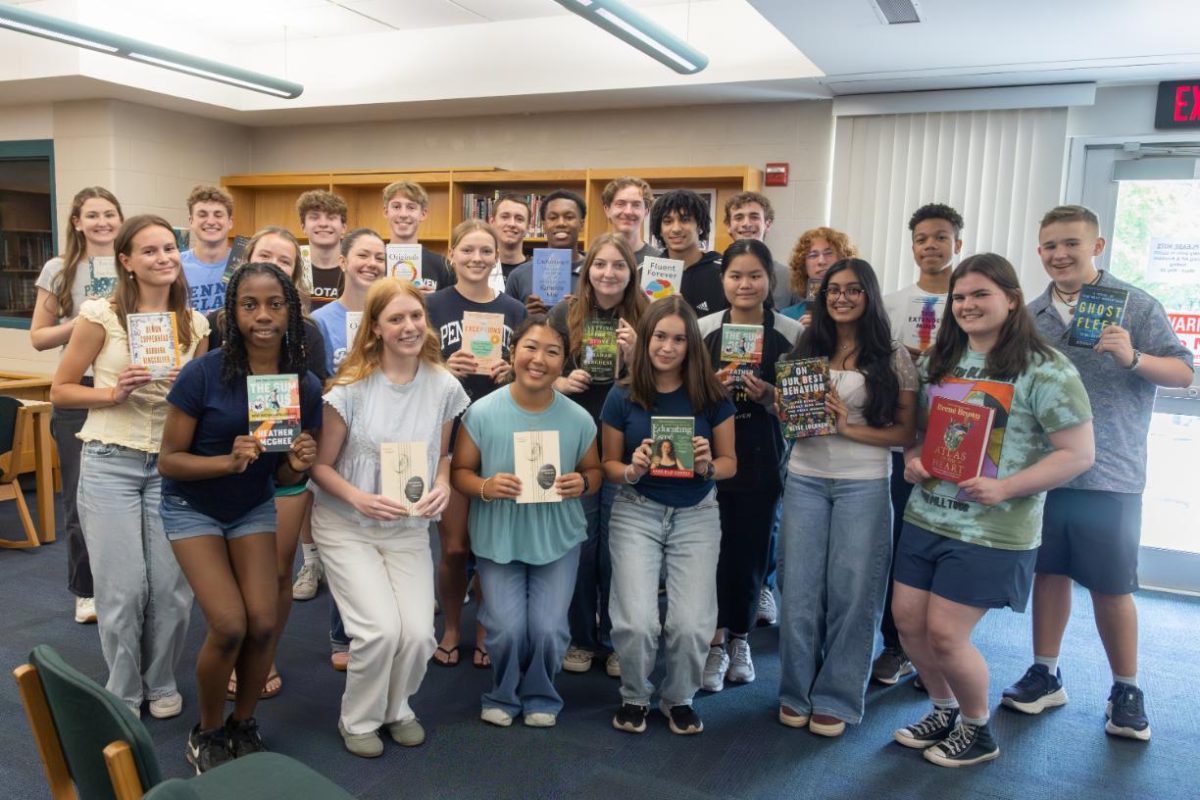
On the contrary, avid reader and freshman Emma Clouse appreciates the creative freedom found in books, and believes it helps expand stories.
“In a book, it can be as long as you want. You just get to write and you can go into a lot more detail,” Clouse said. “There can be a lot more aspects of it, and you can get a lot more emotional character in depth from different perspectives in books.”
English teacher Mr. Christopher McMahon agrees, and thinks that books can add deeper context and understanding to a movie. He also believes that the same is true in reverse. After watching the movie “Harold and Maude,” McMahon read a book created from the movie’s screenplay, and discovered that the novel deepened the story.
“What [the author] put in the novel was some really good details about one of the main characters in the film that if I had read the book first and then watched the film, I would have been upset because those details were left out,” McMahon said. “But what I found was that my appreciation for the film based upon the novelization afterwards, became greater in my mind.”
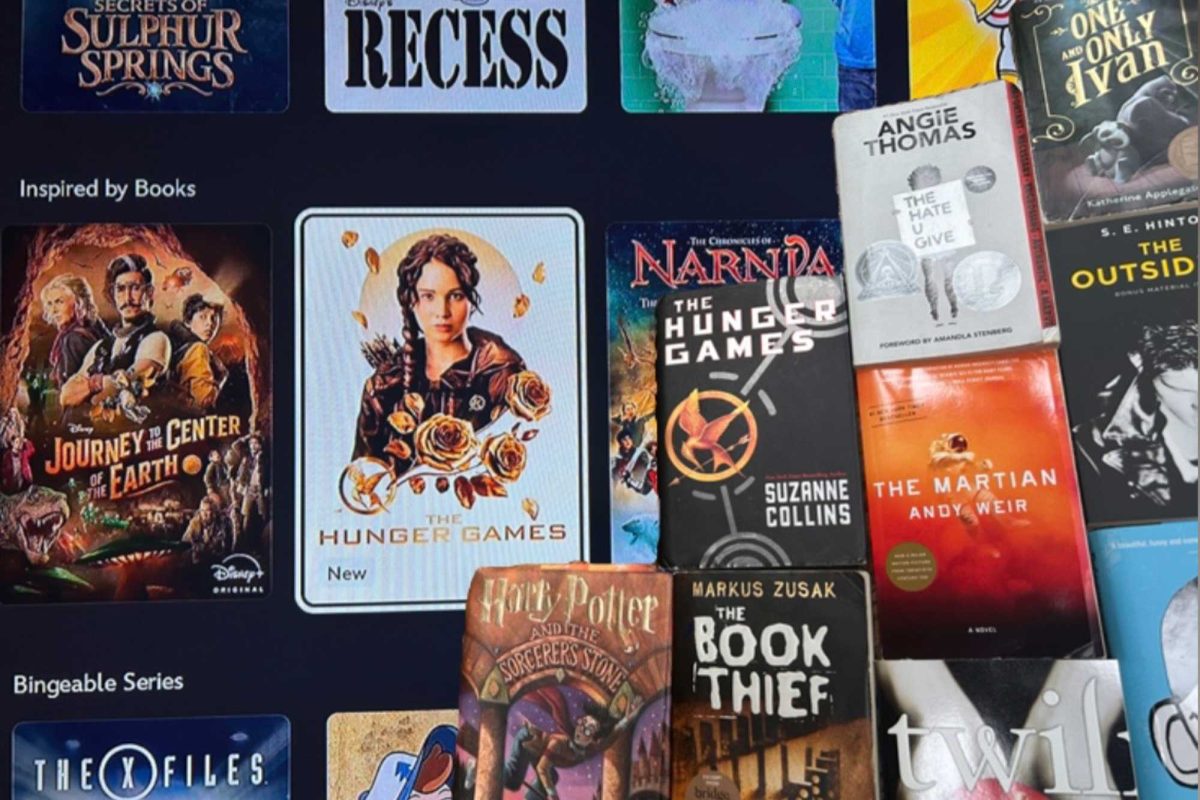
To better understand and appreciate adaptations of books, Clouse recommends reading the book before watching its adaptation, as it can provide better context and insight for the story.
“If you enjoy reading and it’s something you like to do…I would [definitely say] read the book first, especially because sometimes movie adaptations can make the movie look really bad,” Clouse said. “It can make the story seem really corny, stuff like that, when the book is actually really emotional and good.”