

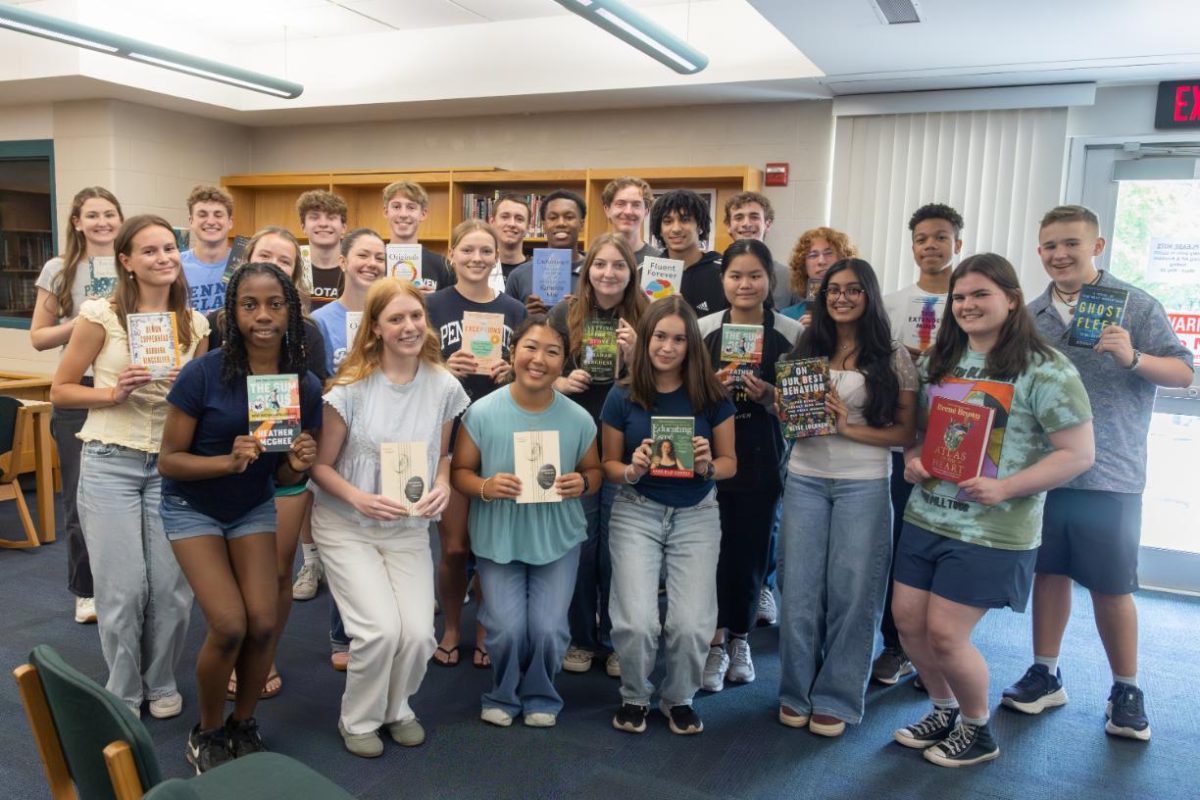
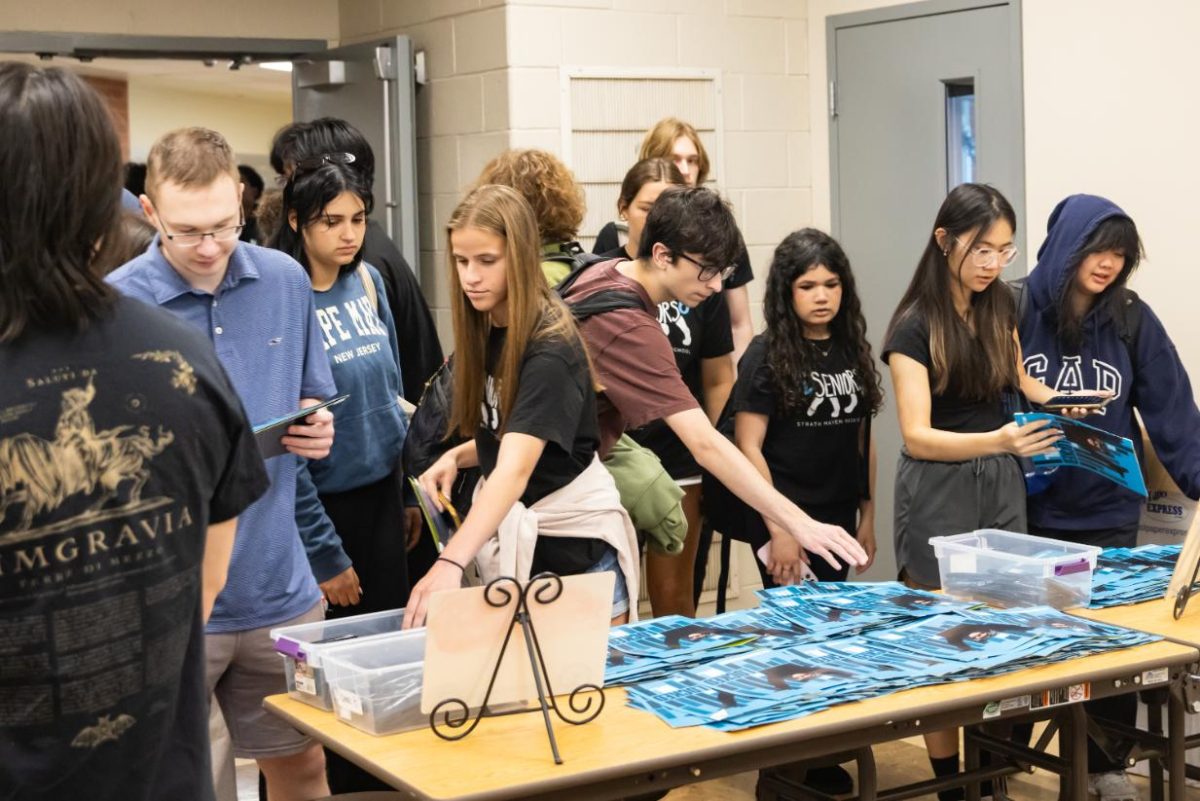
Confused students file into the library in the middle of fourth block on May 26. Even though they received an email with vague details about an award ceremony, no one knew exactly why they were there.
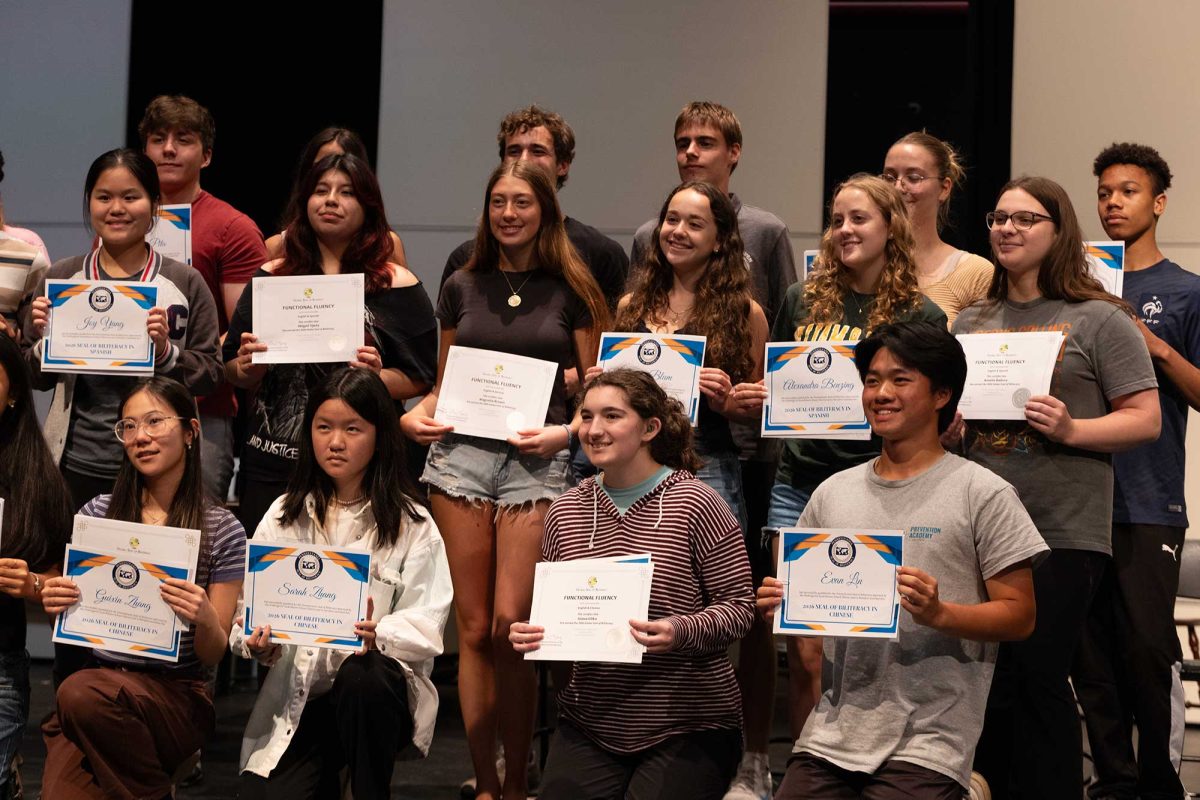
Behind the scenes, staff members spent hours selecting students that were dedicated and positive in the school community. These students then attended the Junior Book Awards where, in each specific subject area, they were recognized for their efforts with a book related to their award.
“I was asking my friends about it, because I had no clue what it meant, and when they told me that [I] was getting awarded for my commitment [and] my contribution to the school,” winner of the principal’s award for citizenship Daija Bradwell said. “I was really happy.”
Originally, colleges promotionally sent books to Haven for the awards, but over the years they stopped doing it. Teachers and administrators still felt the need to continue highlighting individuals who went above and beyond, and in the process, have developed new awards across various subjects.
“[The awards have] changed to the chemistry award, the award for technology, athletic scholar award. There’s one for grit,” assistant principal Mr. Thomas McLaughlin said.
Department chairs generate a list of nominees, then decide on an award winner with the entire department. These awards are not given to a student based solely on their grades, but on their character inside and outside of the classroom.
“[The department chairs] go back to the department [and] say, ‘look, the junior awards coming up for chemistry,’” McLaughlin said. “So Ms. Shepard would go back to the science department…It’s not just this semester. The name comes up, and then they go back and ask all three teachers, and all three teachers usually get ‘that kid was great in my class.’”
Teachers work together to pick out books, often picking ones that are meaningful to them.
“It’s not just a book… there’s a lot of thought that goes into it… teachers felt that you needed something to be acknowledged for how you’ve been in classes,” McLaughlin said. “To me, that’s a little more personal than ‘I got 99, that means I qualified for this.’ Okay, good. But this is like, ‘I think you’re doing a great job.’”
English teacher and department co-chair Ms. Reagan Lattari helps recommend books to administrators for the awards. Usually, she reads them herself first and later realizes that they make great connections to the various awards.
“I try my best to find ones that are appropriate and applicable, that will be enjoyable,” Lattari said. “But it is a challenge sometimes with the subject matter, or if I have no knowledge of who the kid is.”
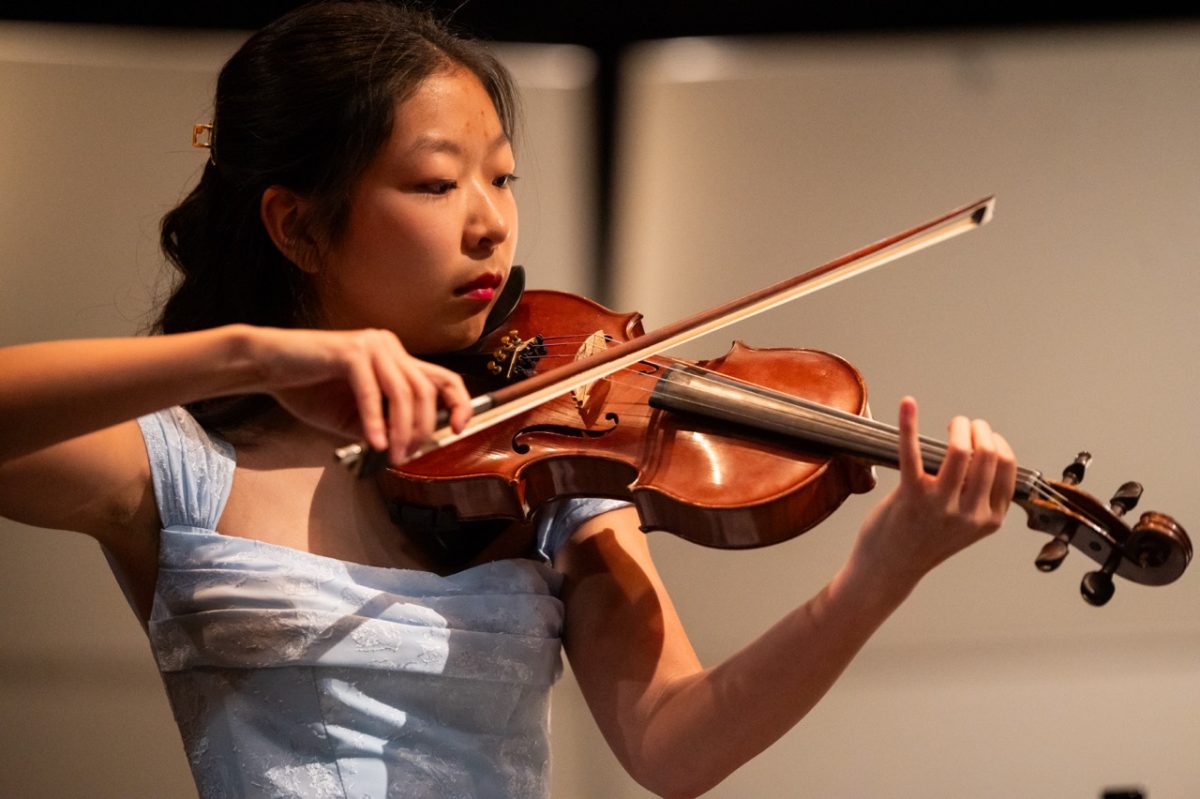
Madeline Garson was a winner of the performing arts award. To match her interests in this field, the main character in her book is a musician.
“My book is about this female violinist, and her journey through music,” Garson said. “She traveled the world, and I think it is really interesting. I do want to read it this summer.”
The award winners value the time that staff members put into selecting books that are suited to their passions.
“I think it’s a pretty interesting, neat concept to give students a book based on their area of interest,” winner of the research award Jayden Peki said. “I think they did a pretty good job at identifying what everybody’s super interested in, and also just to award them… I think this is a really good way to do that.”
In this digital age, fewer people are picking up paper copies of books to read. The Junior Book Awards provide the motivated award recipients with a book that may enrich their educational experience.
“This was a great way to recognize,” Bradwell said. “I like how they give us books, because not many people read these days, and I like how they give us a book of the theme of our award.”
As the year comes to a close, these book awards not only stand as acknowledgement for these student’s efforts throughout the craze of junior year, but as the start of another chapter in pursuing their interests.
“I love that it’s not just a certificate, a pin, or a metal,” English teacher and department co-chair Ms. Miriam Drew said. “It seems like you read a book, you really can sink your teeth into it. It has a memory to it that a pin or a certificate doesn’t…I think that that’s just a fun way to reward them, and to just keep the emphasis on the academic nature of these rewards.”







![The girls varsity lacrosse team shouts during their pre-game huddle at their playoff game against Villa Maria Academy on May 19. The team lost 5-15, but the athletes had a lot of great saves and plays. "Coming off of a season losing a lot of valuable players, I think we really adjusted well, and we came together [and] did the best we could," Tessa Dignazio (10) said.](https://shpantherpress.com/wp-content/uploads/2026/05/GEBHARDT-GLAX-5.19-19.jpg)
![The varsity softball team chants during their pre-game huddle at the Division I playoff game against Phoenixville on May 18. The girls ended with a 14-7 record. “I think it was a really good season, especially [since] we went into the season with positions being moved around and losing a lot of important seniors from last year,” catcher Alyssa Bisordi (10) said.](https://shpantherpress.com/wp-content/uploads/2026/05/GEBHARDT-SOFTBALL-PLAYOFFS-5.18-2-1-1200x800.jpg)
![Alice Rieger (10) explodes to reach the frisbee during the game against Garnet Valley on April 28. Rieger scored multiple points for Haven and was excited to see the younger players in the game. "We put a lot of effort into our defense, and we spent a lot of work putting on some players who are less experienced, so that they could work on their own game. We could get a lot of good chemistry with the team and [get] in some players who don't get to play as much,” Rieger said.](https://shpantherpress.com/wp-content/uploads/2026/05/3D7A9038-1200x800.jpg)