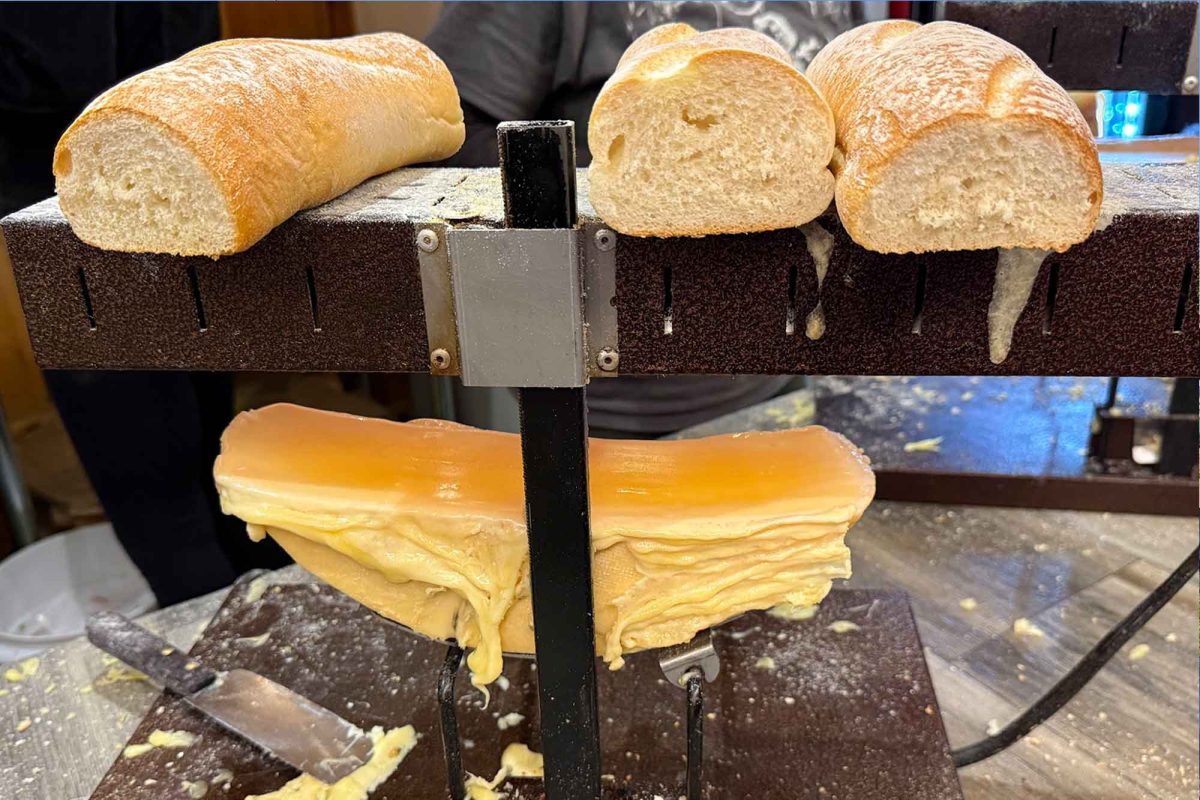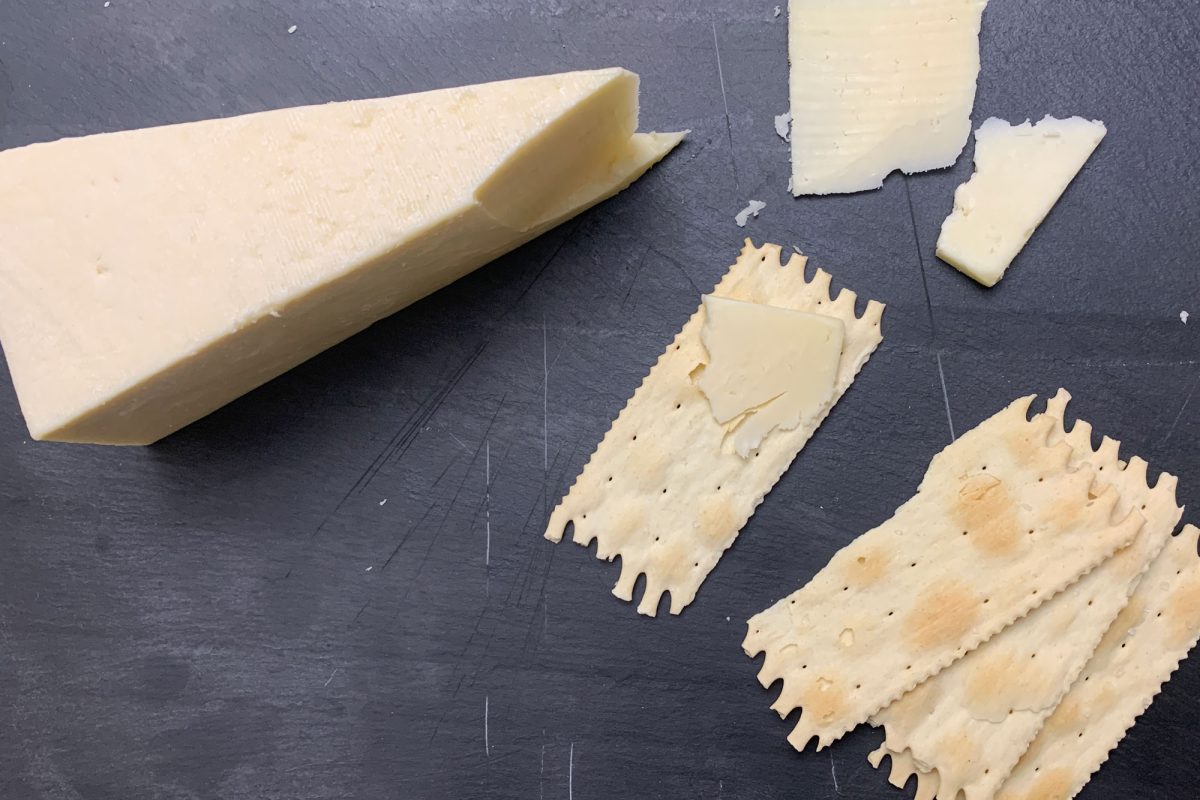


Welcome back to the cheese corner, where we will be wrapping up the school year with Germany’s Butterkäse. Butterkäse literally means “butter cheese” in German. The cheese originates from Germany and Austria although it is also produced in the state most associated with both cheese and German culture, Wisconsin. Butterkäse can be melted or put into sandwiches and pizza, or eaten on its own.
Butterkäse has a smooth, creamy texture, a pale yellow color, and a taste that is remarkably similar to butter, hence its name, despite not actually containing any butter. You can definitely tell it’s cheese and not butter while tasting it, but it feels close.
While the buttery flavor isn’t exactly my personal favorite, I am sure anyone who loves butter on anything will find a variety of uses for this tasty German cheese. Alongside butter, butterkäse is also frequently compared to gouda cheese and muenster cheese.
Compared to some of the cheeses in this column, butterkäse’s history is fairly recent, having been created only a bit less than a hundred years ago in 1928. When a buttery Italian cheese called Bel Paese became widely popular across Europe in 1908, its trademarked formula became highly desired.
Inspired by Bel Paese, the German cheese company Staatliche Molkerei Weihenstephan made their own spin on the cheese, becoming renowned in Germany as Butterkäse at a time when Germans craved alternatives to the more widespread stinky kinds. It would go on to become a renowned and widely popular cheese in Germany and the rest of the world in the coming years.
Butterkäse is produced through heating milk, adding rennet to it, then allowing the milk to coagulate, after which the curds are formed and separated. The curds are then salted and the aging process is able to begin. Butterkäse has a relatively short aging process, only lasting about a month.
Butterkäse combines the flavors of butter with the versatility of cheese to create something very unique, very delicious, and very, very German.