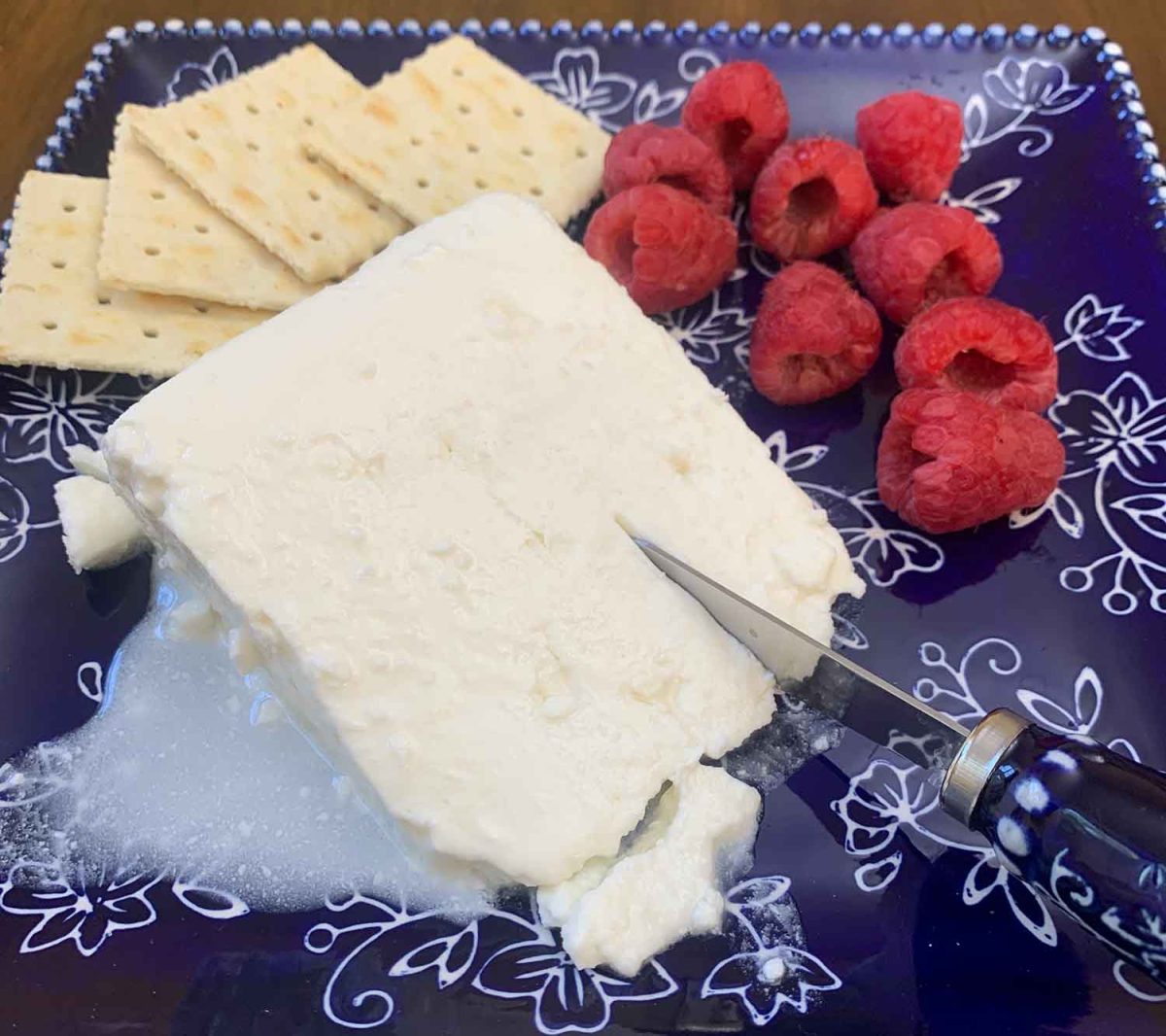
Welcome back to the cheese corner, where we will be reviewing one of the most fascinating, versatile, and easy-to-make cheeses: Paneer, known to some as “Indian cottage cheese.”
Widespread in a variety of dishes across South Asia and the Indian subcontinent, paneer has the unique property of not melting, similar to Western cottage cheese, which allows it to be fried.
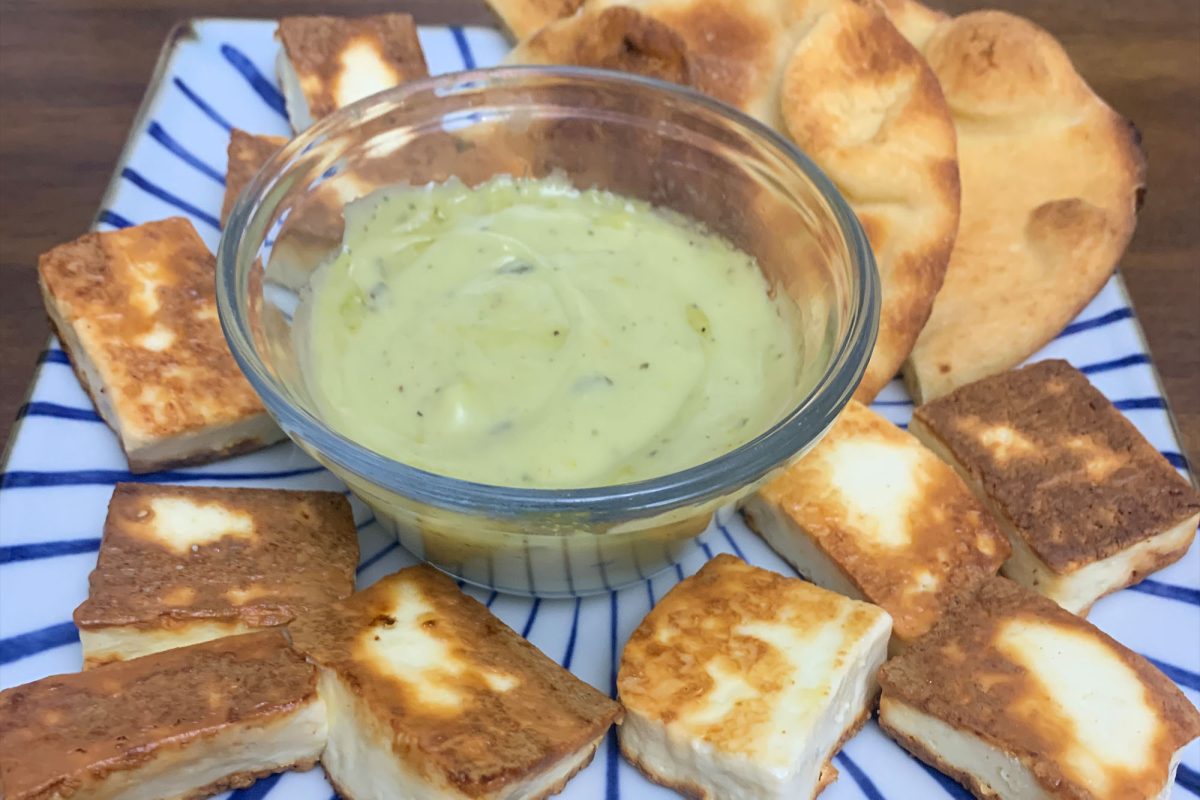
I sampled fried and non-fried versions. Although they share similar tastes, I strongly recommend the fried version for its effectiveness in dipping. Paneer does not have that strong of a flavor, but the very mild taste it has is mostly milky. What really makes paneer a great cheese is that it can be fried and dipped into sauces. I used curry sauce, creating a delicious meal.
While paneer may not have the richest taste, it has one of the richest histories among cheeses. Paneer’s origins are somewhat disputed. While paneer is most historically associated with Northern India, some believe it can be traced back in Indian history as far back as ancient religious texts, and others have proposed it came from Iran centuries ago and spread to India during the rule of the Mughal Empire, or through the arrival of Iranians or Afghans into the subcontinent. Some have even suggested that the Portuguese introduced the milk “breaking” techniques for paneer to the people of Bengal in the 1600s.
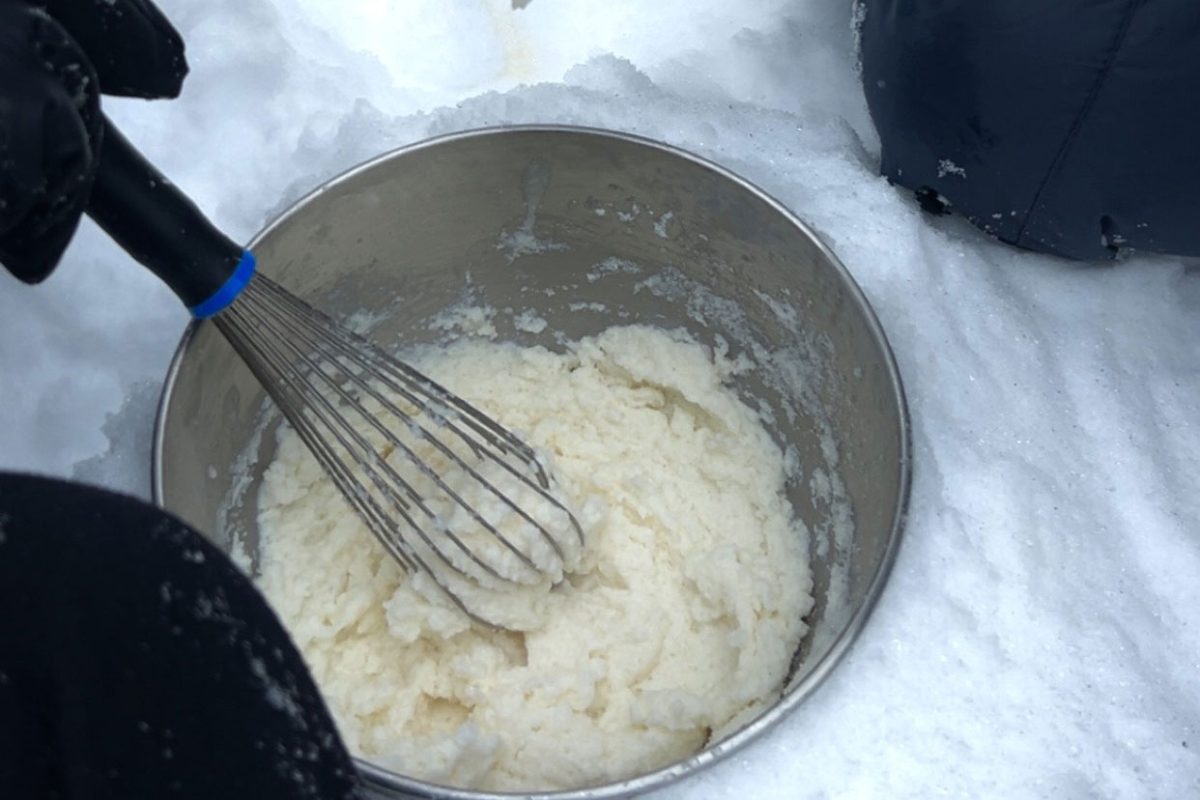
The creation process of paneer is especially unique among cheeses because, unlike many other cheeses, it does not require rennets or fermentation. This makes creating your own paneer quite an easy and doable process. Full-fat milk is heated, an acid like lemon juice is added, the milk curdles, and the curds are put through a cheese cloth and pressed. Unlike other cheeses that can take weeks or months to be finished, the pressed curds can be removed after a few hours and cut up for some finished paneer!
Paneer is used across many different dishes, including sweet food, vegetarian options, curries, and even pizza. The rabbit hole of ways to make different delicious meals out of paneer is so deep it’ll likely leave you amazed, hungry, or both.