

CPFA’s show title is a long one, though its origins are only 66 short pages out of 1,440.
“Natasha, Pierre, and the Great Comet of 1812.” If you had never heard of “Alice By Heart,” I just know this one is even more obscure. I was first introduced to the show around this time last year, and to be frank, I wasn’t a fan. The score wasn’t intuitive in the slightest, and the storyline was extremely confusing. Even watching a slime tutorial (theatre slang for bootleg) of the original cast didn’t change my opinion; but CPFA’s show did.
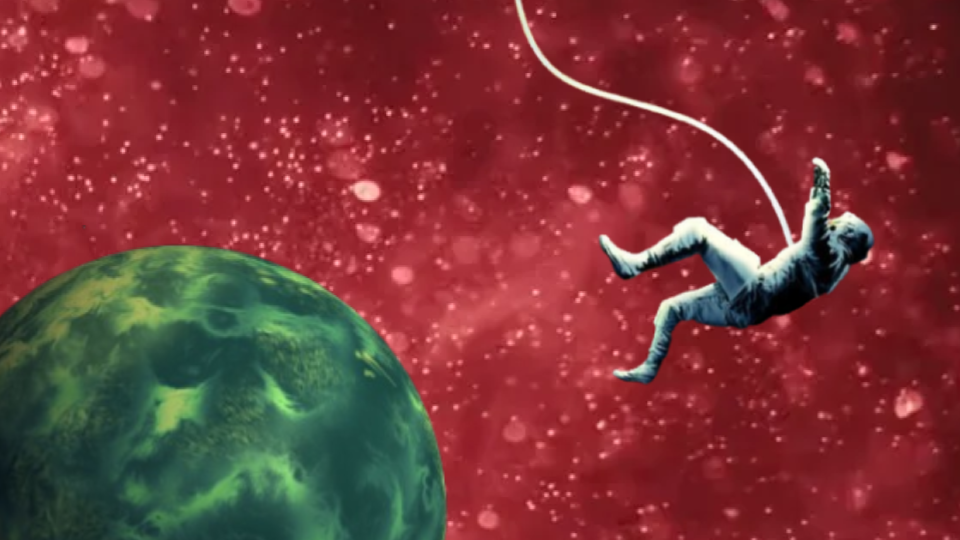
“Natasha, Pierre, and the Great Comet of 1812” (known lovingly as “Great Comet” by its small but mighty fan base) is taken from 66 pages of Leo Tolstoy’s War and Peace, and tells the story of a very dramatic scandal (by 1800’s standards). While Natasha’s fiancée, Andrey, is at war, she finds herself caught in the affections of the handsome Anatole, all while Pierre experiences an existential crisis and finds himself caught in the middle of their scandal, concluding with his witness of the great comet of 1812. The music, by Dave Malloy, is an intense electropop opera, with little to no dialogue.
“Great Comet” is a pretty crazy show to attempt to pull off, especially with high school. The score is incredibly difficult; none of the songs follow a straightforward format, and the lyrics are mostly taken from excerpts of the novel. Not only that, but they require actors with incredibly big ranges and a strong ensemble.
And let me just say, CPFA delivered.
Zane Zangwill (Pierre) was a stellar performer, with deep, rich vocals and a beautiful portrayal of Pierre’s very real and human feelings. His big solo number, “Dust and Ashes,” took my breath away. He commanded the stage in such a way that almost moved me to tears. He’s a high school senior, but his voice and the depth he brought to the role was well beyond his years. Not only this, but he accompanied himself on the piano several times throughout the show.
Zangwill’s counterpart, Scarlett Horoho (Natasha) was equally stunning; her music was particularly difficult and yet she sang each note with such ease and grace. Just as Zangwill was able to portray an adult well into his years, Horoho had a certain naïveté about her that made Natasha’s decision-making incredibly believable.
Pierre’s and Natasha’s performances are highlights, as they are the titular characters, but every performer in this show shone in their own impactful way. Josephine Hughes (Sonya) brought a certain careful and quiet beauty to Sonya’s character, and the breakdown of that persona during her solo Sonya Alone was perfection. Her raw emotion gave Sonya a realness amidst the absurdity of the other characters and action. Like Zangwill, Hughes also accompanied herself on the piano. Additionally, Ollie Fuchs (Marya) had a fantastic, booming voice, bringing all attention to her as soon as she stepped on the stage.
But the true star of this production was the ensemble. The energy of the show was never lost or brought down when they came on stage, and it is clear these kids love working together. None of their onstage interactions felt forced or out of place; they all carried the show just as well as the leads, and were able to offer tons of vocal support on their chorus lines.
Ciarra McFadden’s choreography was smart and precise, with the dance numbers seeming effortless and easy, especially during Balaga, the big dance number of the second act. Additionally, the pit was beautiful, matching up their live music with electronic tracks that played throughout the show effortlessly. Several actors in the show also played instruments on stage: Charlie Taylor, who taught themself how to play the accordion just for this show; Madelyn Ahlmer (Princess Mary Bolkonsky) on the piano; Olivia Gregorio, who performed beautiful violin parts while also singing in the ensemble; Luke Burnette, playing percussion; and Alyssa Marsh (Prince Bolkonsky) accompanying on the guitar. This kind of dedication to play instruments that could have been covered by pit musicians is just another thing I loved so much about this show.
The last thing I will mention was the setup of the stage. CPFA performed “Great Comet” in the round in a very small blackbox theatre, meaning there are seats literally around the entire stage. The best part of this was that it was incredibly immersive; we had Ashley Crane, playing Helene, walk through our row several times, as well as having quite a few cast members offer drinks to the audience, as well as even get them up to dance. While this type of performance is cool and they did an amazing job, your experience does change depending on where you’re seated; and while we could see most of the show pretty well, there was some really cool choreography we ended up missing because we simply couldn’t see.
Shows like this prove why performing arts are so important. Not only do CPFA students have acting, singing, and dancing classes, but they also take online classes, and most of them are advanced academically as well. It was hard to believe that these were high schoolers; their professionalism and strength on stage was better than some adult productions I’ve seen. While STEM gets so much attention and yes, I know it’s important too, the arts are human. Plays, musicals, visual art, dance, and all forms of expressive arts reflect humanity in a beautiful way. Natasha and Pierre are in 19th century Moscow, and yet, their feelings of passion and Pierre’s existential struggles with identity and love are still very relevant. These kids deserve a chance to pursue their passion in the arts, as does every kid.
Limiting or diminishing the arts takes away our right to express our humanity. Who are we without our stories? Without our history? And what is that history if not told through art? Keep supporting the arts, keep participating in them, too. A good friend of mine, Gordon Morris, once said: “Theatre is fun, theatre is joy, and live art is everything.” I couldn’t agree more.