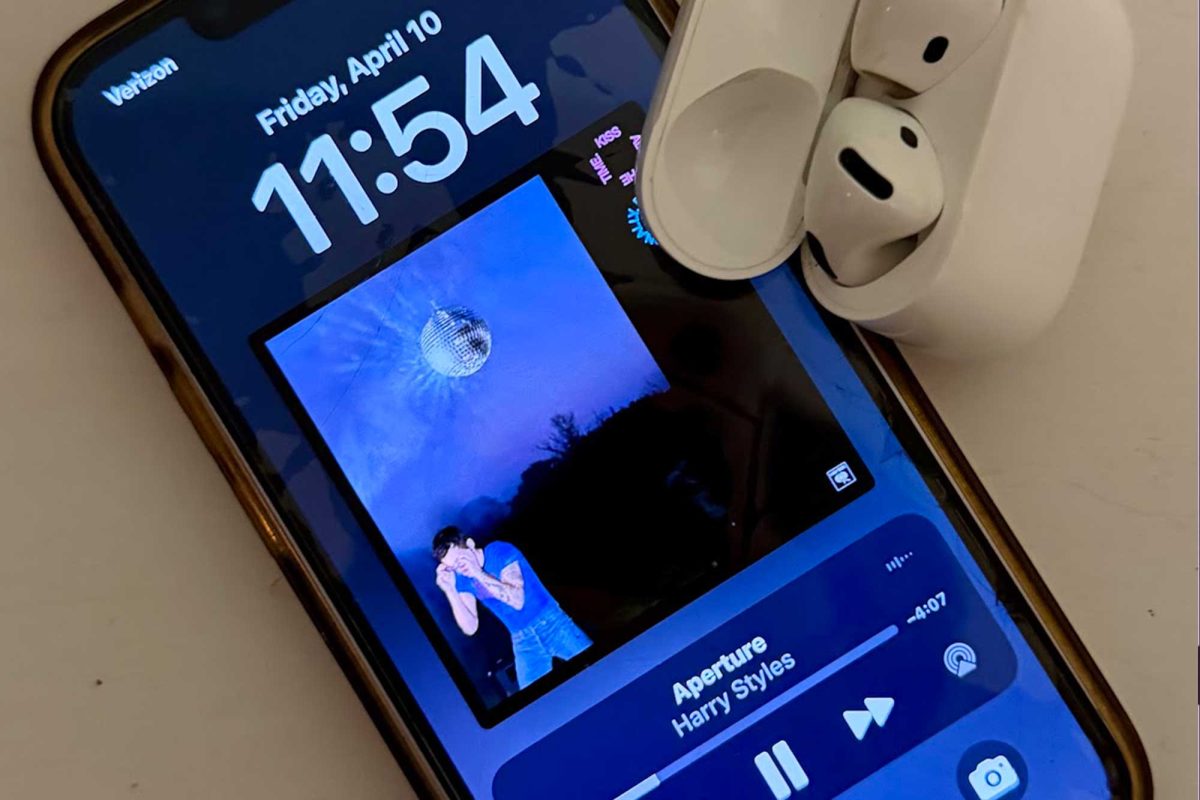
Digital media has changed what it means to be a consumer.
A couple of months ago I would have asked, “why is physical media still needed when every movie, book, and song are just a few clicks away?”
At the time I lacked the realization that owners of physical media collections were not trying to be retro, but were holding onto an experience unattainable behind a screen.
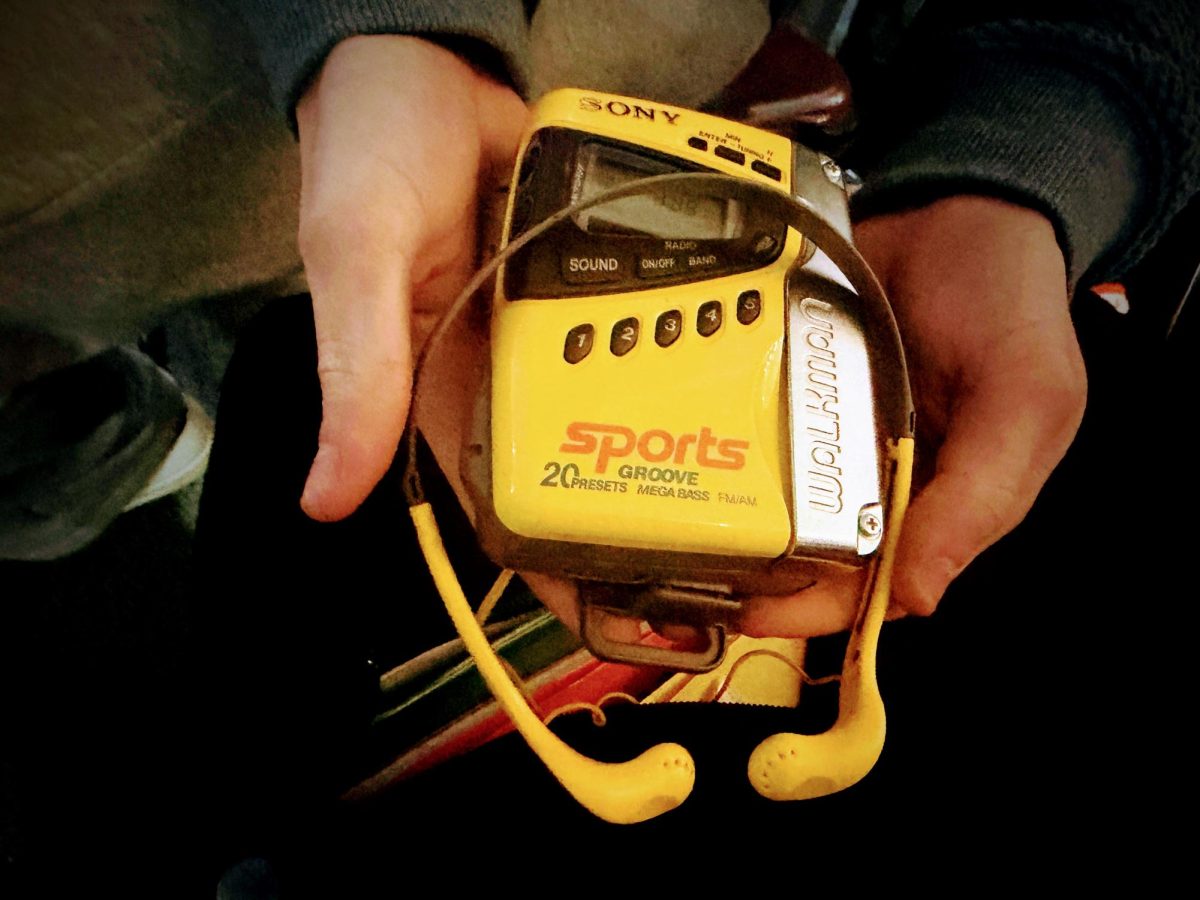
Inspiration from a New Year’s resolution to decrease screen time plus the discovery of my Dad’s old cassette collection led me to bid on a Sony Walkman.
Vinyls, cassettes, and CDs carry key features which make them more than just ways to listen to music. The most apparent difference is ownership. Physical media allows you to own an album forever while popular streaming services like Spotify and Apple music are subscription based.
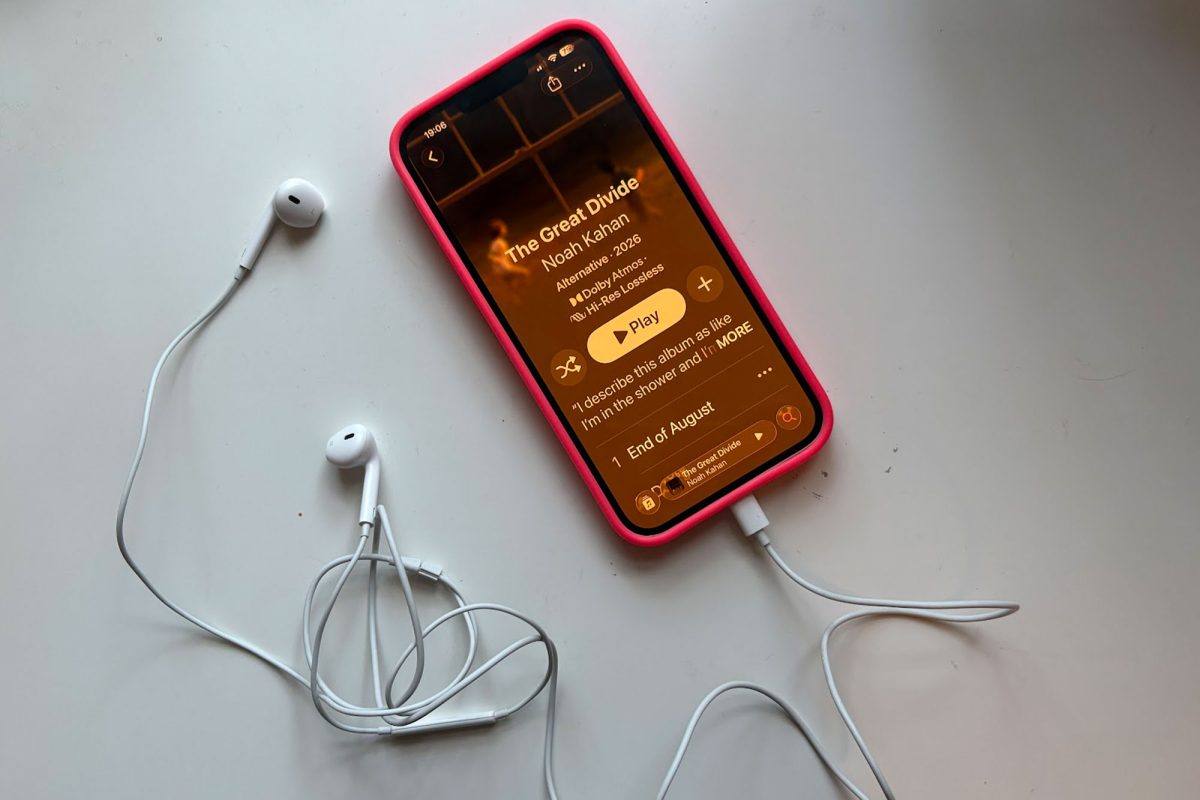
Although streaming grants more songs and easier access, it is far more susceptible to changes. Artists have the ability to alter or completely remove albums.
For instance, in 2025 a group of artists removed their music in protest of Spotify’s CEO Daniel Ek investing in a company that produces military technology. Streaming services can also lose access to music due to licensing agreements, so a regular listen can randomly disappear one day.
Investing in physical media preserves music history and allows you to familiarize yourself with an artist. Building a physical connection to your music and the musicians behind it through labels and cover art is lost when you hear one hit song play from the decision of an algorithm.
By taking the time to analyze and sift through physical media it allows you to actively search for new music tastes and try new things. When we are given the ability to instantly skip something we do not find satisfying in the first 30 seconds, it shatters any chance of discovery.
Spending more for the physical copy of an album can also grant you and the artist more.
From a technical standpoint, the consumers of vinyls and CDs are able to receive higher quality sound due to most streaming sites compressing audio. The other reason, which is why I enjoy physical media so much, is how it reconnects us with the world.
Hours rotting online were washed away in a wave of satisfaction through the process of listening to physical music.
Putting a new cassette in my Sony Walkman or flipping a vinyl added a level of realness which my life lacked. In a digital age, I find music as one of the easiest ways to escape the chronic attachment to our screens.
Being able to go out and look for new albums or give recommendations to peers is a part of the music community which was lost when all my listening was put into these really long lists.
Purchasing physical media helps the artists you care to listen to. With 84 percent of music industry revenue coming from streaming, artists greatly suffer because of the minimal percentage cuts they actually earn after the record labels and other rights holders are paid.
Smaller artists and genres can stand their ground better when considering they can make 3 to 5 dollars off of one CD sold and 5 to 10 dollars per vinyl sold. Direct sales can earn more, but overall this is significantly higher than Spotify, which pays 0.003-0.005 dollars per stream.
We all like our styles. But engaging with and appreciating music more broadens our horizons by not instantly playing the same playlist. It is something that unites us all. Hiding it behind a screen limits music as a whole.
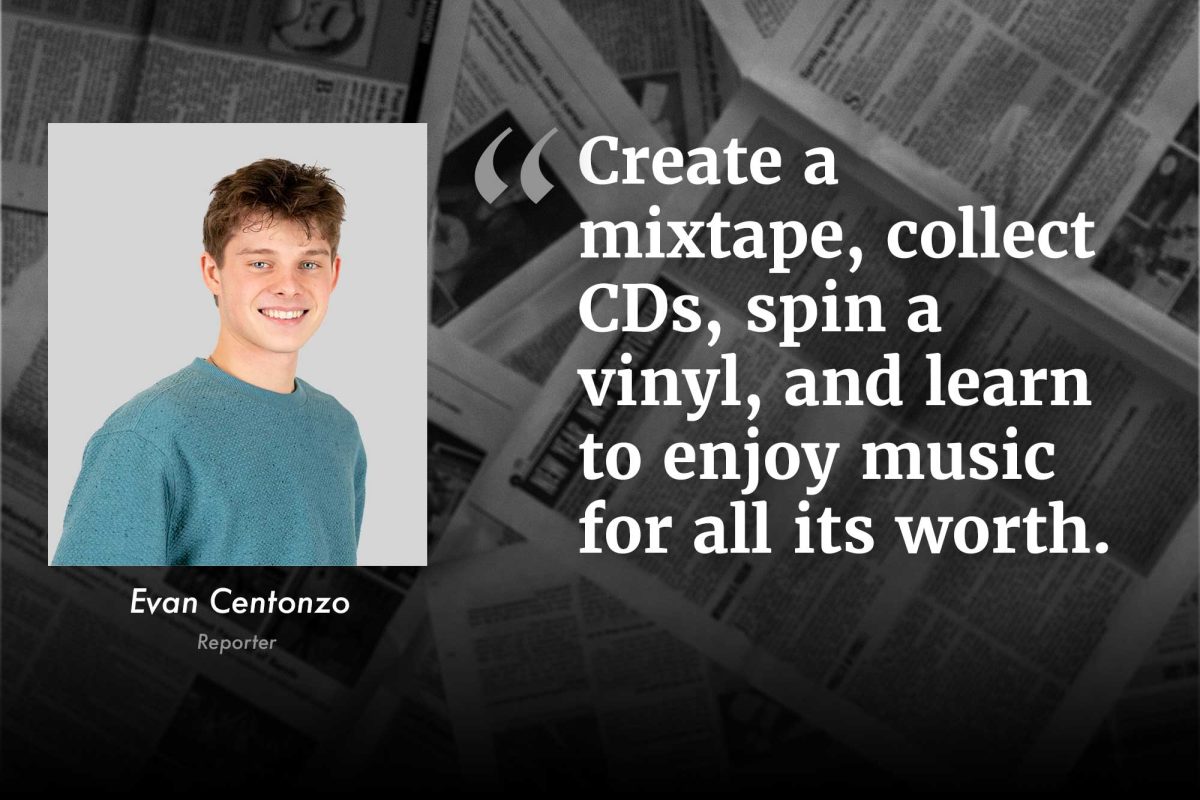
So create a mixtape, collect CDs, spin a vinyl, and learn to enjoy music for all its worth. Maybe you will stumble across your favorite song on a random album that caught your attention in a store. Don’t just listen to some automated background noise created by an algorithm, truly take in the experience.
Each opinion represented in The Panther Press is the view and voice of the writer. Opinions, as the selection and curation of content by the editors, do not represent the views of the entire Panther Press staff, the adviser, the school, or the administration.