
Misogyny and bias is everywhere. It’s in the shows and movies we watch, it’s in daily interactions, it’s in workplaces, and it’s in the books we read for ninth grade English. I think we should change that.
Classic books are infamous for their discrimination. Racism, ableism, and sexism are all rampant in many old books, simply because those views were widely accepted back then.
While I understand the value of reading one or two pieces of classic literature, there are so many great modern books that could teach us the same things we learn from these prejudiced novels.
The first time this issue came up for me was when my class read “The Odyssey,” an epic about a man’s journey home from the Trojan War. He has a great homecoming and is regarded as a hero, but Athena and other women are actually the ones who begin and do all the work for him throughout his travels.
At the end of the book, the main character, Odysseus, and his son, Telemachus, fight off the suitors that are desperately trying to marry his wife, Penelope. During the fight, Telemachus and Odysseus tell someone to “shut up the women in their rooms” in order to spare them from the fighting. Of course, it turns out that they would not have won the battle if not for Athena, but their egos are more important than giving credit where it’s due.
We do read the first translation of the epic by a woman, but even so, the inherent sexism cannot be removed from the book.
“Of Mice and Men” is another book in the curriculum, and in the interest of full disclosure I will admit that my class did not actually read that one. But based on others’ opinions and a summary of the book, it seems that Curley’s wife is objectified for the majority of the book, and often used as a vessel to show Curley’s jealous nature.
“Romeo and Juliet” also has its examples of misogyny, as expected for a centuries-old book. Romeo switches from being desperately in love with Rosaline — who is only mentioned in the first few scenes — to marrying Juliet within a few days.
Juliet also falls in love with Romeo in one night and agrees to marry him, but this is after a scene where she says she would only consider marriage if her parents agreed to the man. She often switches emotions rapidly, and her feelings in general are very glossed over.
The lack of attention on Juliet in the book is widely acknowledged. A 2019 Broadway musical called & Juliet explores her side of the story, imagining that she hadn’t died with Romeo.
“Lord of the Flies” lacks misogyny compared to the other books, but that’s because there are literally no female characters in the novel. My own English class has not read this book yet, but a summary indicates the plot is centered around a group of boys fighting and killing each other.
These are only a few books, and for all I know, the next three years of English are full of feminist literature, but there are so many amazing modern books that I wish we could read in class instead, like The Grace Year, which is similar to Lord of the Flies but with female characters.
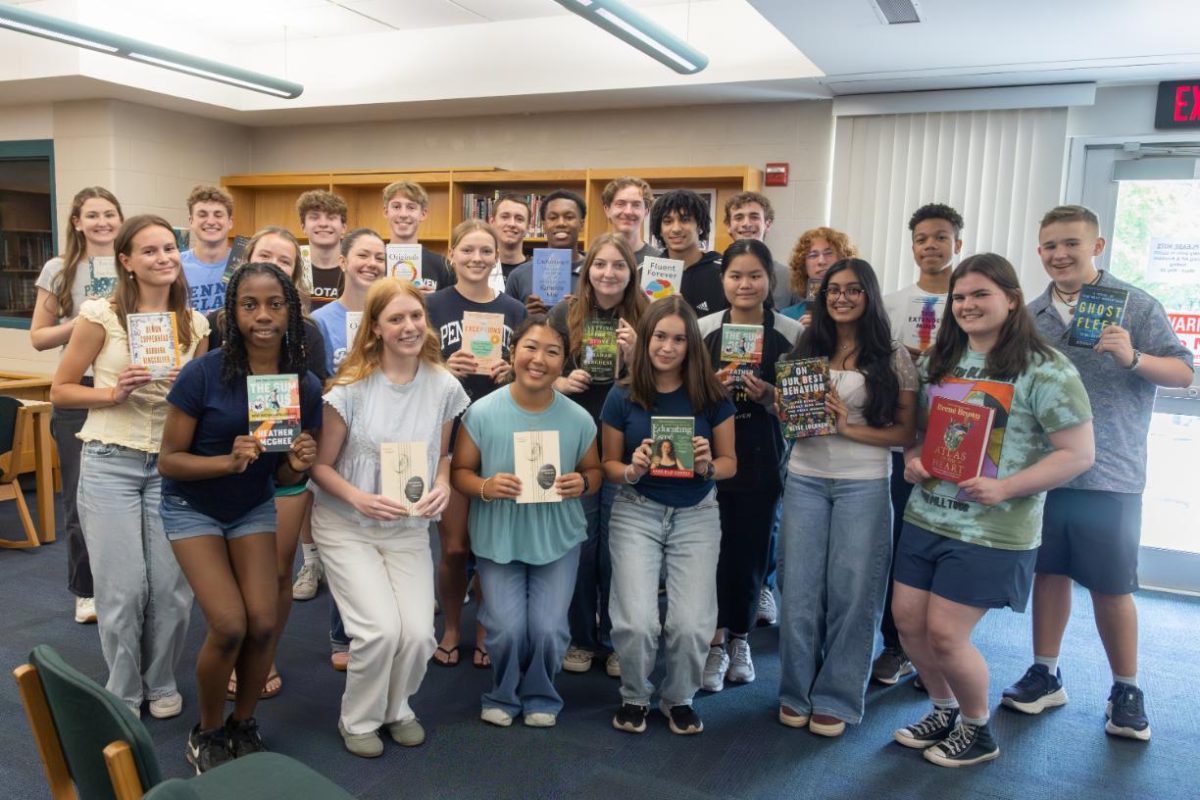
There are also other modern books that are great options, like “Ace of Spades,” a mystery of sorts that highlights the effects of systemic racism. Another favorite of mine is “The Only Woman in the Room,” which is based on a true story of an actress using her background and knowledge to create the foundations for things like Wi-Fi, Bluetooth, and GPS.
The huge collection of books available in English classrooms and the library includes several of the books I mentioned. For anyone who feels the same way I do, those are great resources for more variety. Even having them accessible is more than what a lot of schools are able to offer.
But if we have more diverse books — why not study them as a class? Are classic books the only ones worth classroom-wide reading and discussion?
Many classes had discussions about the bias in the stories and were aware of the negative aspects as they read. That’s great, but if we have to acknowledge the terrible parts before we read every book, why are we reading those books?
Ideally, there would be balance in ninth grade English between classic books and modern books, and maybe even one written by someone other than a white man. The books we read influence us, especially in our teenage years, and we need diverse books in our curriculum.
Each opinion represented in The Panther Press is the view and voice of the writer. Opinions, as the selection and curation of content by the editors, do not represent the views of the entire Panther Press staff, the adviser, the school, or the administration.