Slow moments are hard to come by these days.
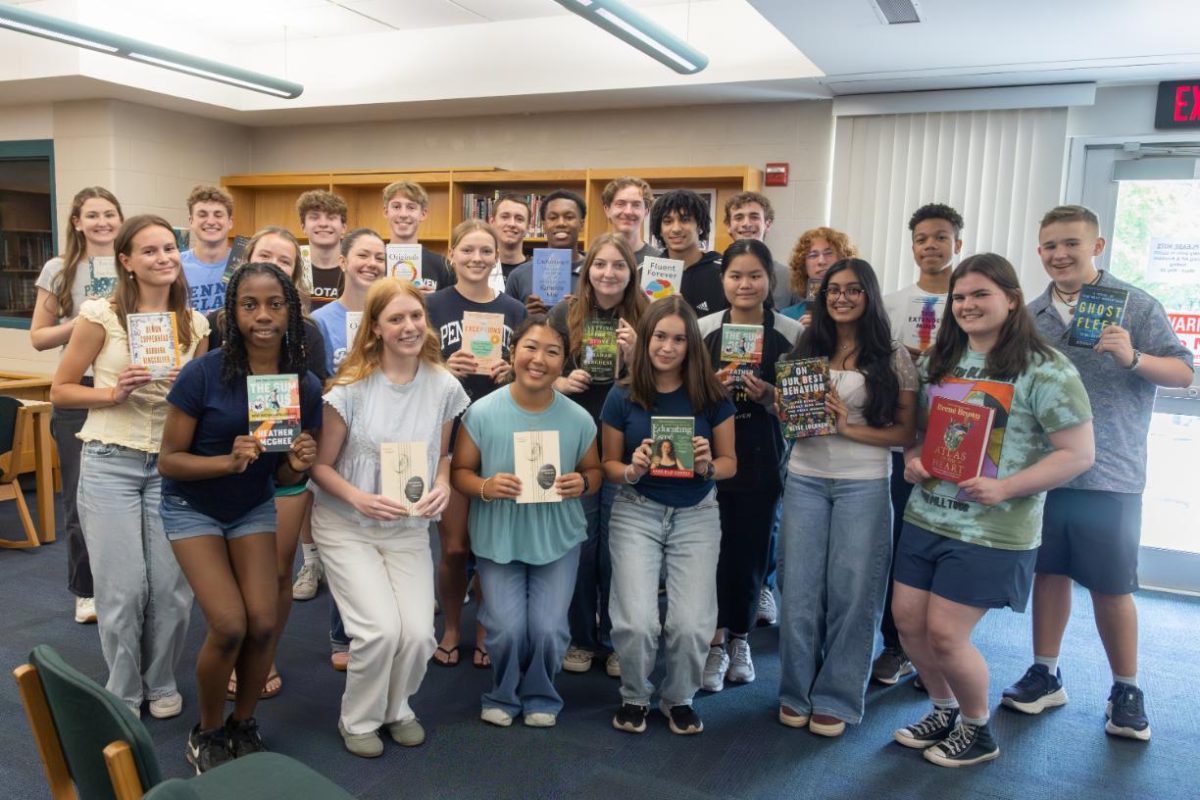
Right before Thanksgiving, I went to the library for the first time in maybe years.
“I don’t have time to read,” I complained, even as I placed a seventh book on the tower I was carrying. “Even with break, there’s so much I have to do.”
“If you really want to read, you’ll find a way to make more time for it,” my mom said.
So I did. I sat down in our little window nook, set with natural lighting, a cup of tea, and the perfect cozy blanket. I picked up the shortest library book and was immediately immersed into the world of the story.
Kidding. I got ten pages in before I was barely registering a word, let alone the content. I was completely distracted by the swirling worries that I could be doing something more productive. Despite the perfect environment for a slow moment, I couldn’t make myself do it.
To me, slow moments mean moments that aren’t optimized for productivity. They’re moments where the pressure is off, even for a bit.
It felt impossible to corral my brain into a slow moment. We are in a constant state of movement: scrolling to the next reel, walking to the next class, doing the next assignment. It might feel like never-ending oversimulation. There’s no stopping, because if you stop, it feels like laziness.
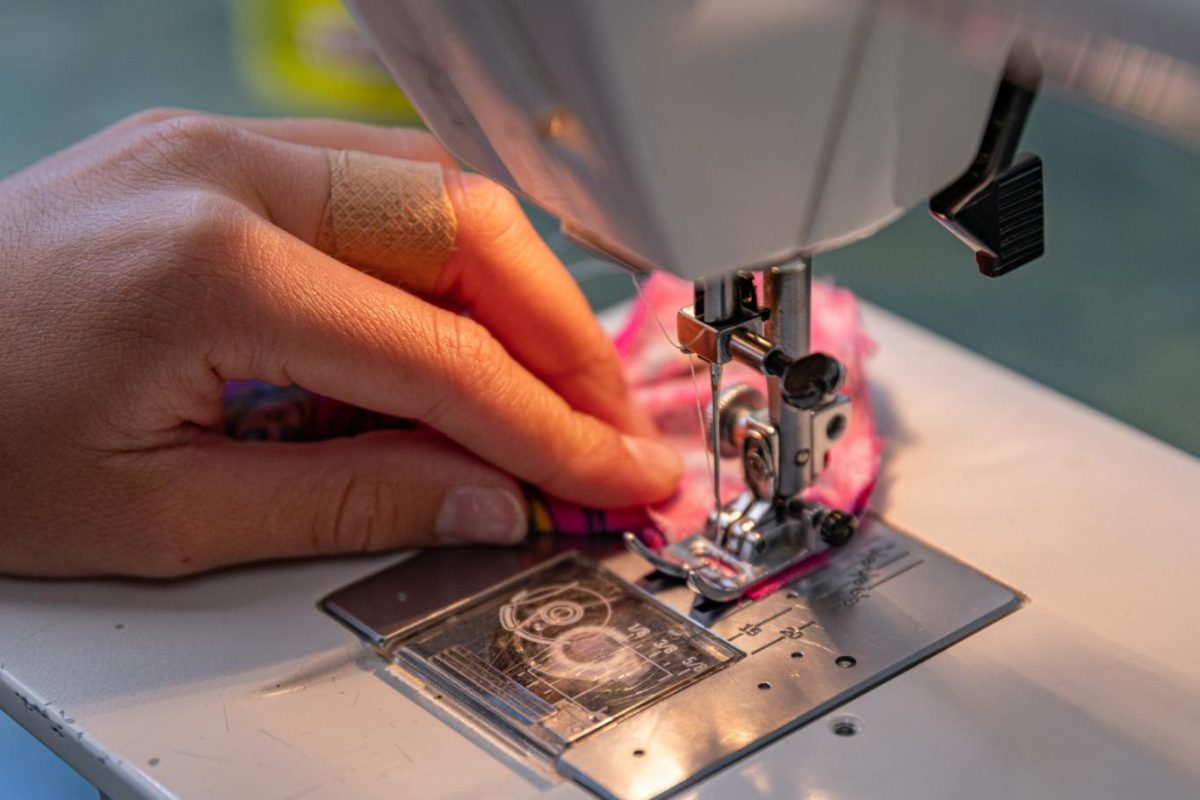
The loss of the slow moment is a major problem with mental health today. We’ve forgotten how important they are, because slow moments force us to revert from a state of “Go, go, go!” to “Wait, I have hobbies!”
The ultimate slow moment of boredom has been proven to be where we find our best ideas. That could even mean staring at a wall or the ceiling for a few minutes. Especially on school days, we need time to decompress.
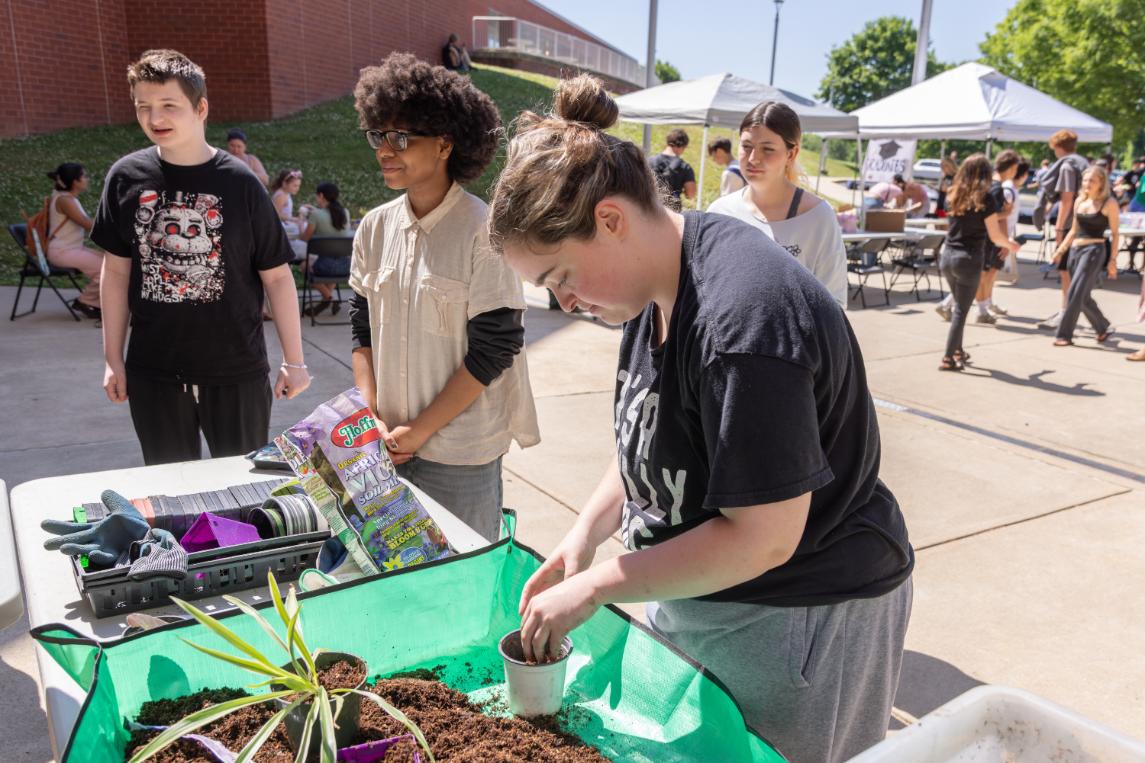
Rotting on TikTok doesn’t count, because you’re still getting external simulation. Social media has made us scared of the slow moment. What will happen if all those things we’re running from catch up to us? But the slow moment, especially when we’re working on a hobby just for the fun of it, helps us process our worries.
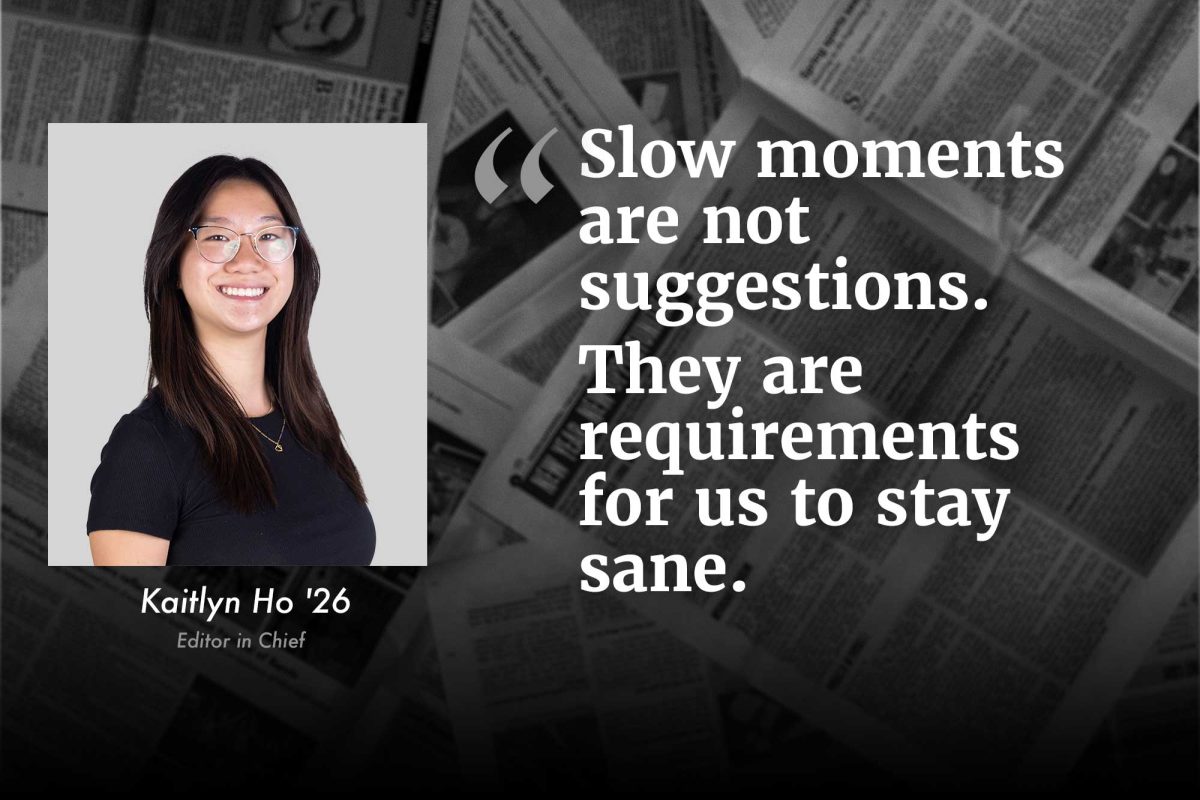
You can’t rely on sleep alone to be the only non-panic-mode moment in your life. Slow moments are not suggestions. They are requirements for us to stay sane.
It’s true, I have a lot of work to do. But it is just as important for me to sit back down in that window nook and finish the book I was reading. It’s not for school, and it’s not to check off on a reading list. It’s for me, and that slow moment will help give me more agency in the pace of my life.
Every student could benefit from having a routine of slow moments in their week. The keyword is routine; the more constant it is, the less it will feel like a bad recommendation we can put off. I challenge you to set ten minutes every day for a slow moment, any time where you are doing something for you, on your own time.
We need to stop chastising ourselves for our human need to slow down so that we can create. We’re not machines meant to do menial tasks on repeat forever — we’re people.
Each opinion represented in The Panther Press is the view and voice of the writer. Opinions, as the selection and curation of content by the editors, do not represent the views of the entire Panther Press staff, the adviser, the school, or the administration.