Scrolling on TikTok, as I often do, I could stumble across an obviously upsetting video of an older man eating alone in a restaurant or a young child crying over the death of their dog. While I understood the explicit context of the videos — that they were meant to trigger the shared feeling of sadness and sympathy plaguing all viewers — some commenters were trying to take personal credit for what I saw as a basic human emotion.
“I’ve been crying over this video for two hours, I’m such an empath.”
“Being an empath is a curse, I can’t stop thinking about this.”
Empathy is the cognitive ability to share and understand the feelings of another person by placing yourself in their position.
Social media has made empathy feel special or unattainable. In reality, being an empath should be something everyone is achieving. Human interaction is based upon empathy; if no one were able to understand or feel for others, how could kindness and compromise thrive as they do?
With the visibility that the term gains on TikTok, harmful and unproductive denominations of empathy can occur.
Selective empathy is the idea that one might feel empathetic towards some people or issues, but not others. This can be based on emotional proximity to a person, one’s personal life experience, or even factors like cultural and geographical biases.
Empaths on social media love to post about the ‘super deep feelings’ they have about the dog sitting out in the rain or their childhood toys being donated. It’s like they’re trying to prove they’re a good person. In reality, it’s just performative and ignorant.
People don’t understand that it’s a lot harder to place yourself in the shoes of teen girls being starved and raped in Sudan. While it’s not as cute to post about, your top-notch empathy should apply there all the same, even if it’s a politically controversial topic or it’s hard to think about.
At the end of the day, empathy is useless if we don’t act on it. It’s vital to not get caught up in all the fluffy stuff. The purpose of empathy is to turn that feeling you have into an act of kindness. Just because you’re crying about something you saw online, doesn’t mean anything will change, or anyone you ‘care about’ will end up in a better situation. Then your empathy just becomes stagnant and unproductive, just because you feel a certain way does not make you a good person, you have to take action.
I challenge you to continue that feeling of sadness and sympathy you get when you see someone struggling. Even if it’s uncomfortable, bask in it. It’s never too difficult to reach out to that single mother you saw on Tiktok, and it’s never too hard to donate to toy drives around Christmas time. Maybe you can’t have an effect on those national scale issues, but you can make an impact in your community.
If you’re willing to post about your empathy but not willing to act on it, I wouldn’t consider you empath at all, I would just consider you selfish.
If we’re going to make empathy a trend, let’s amplify kindness alongside it.
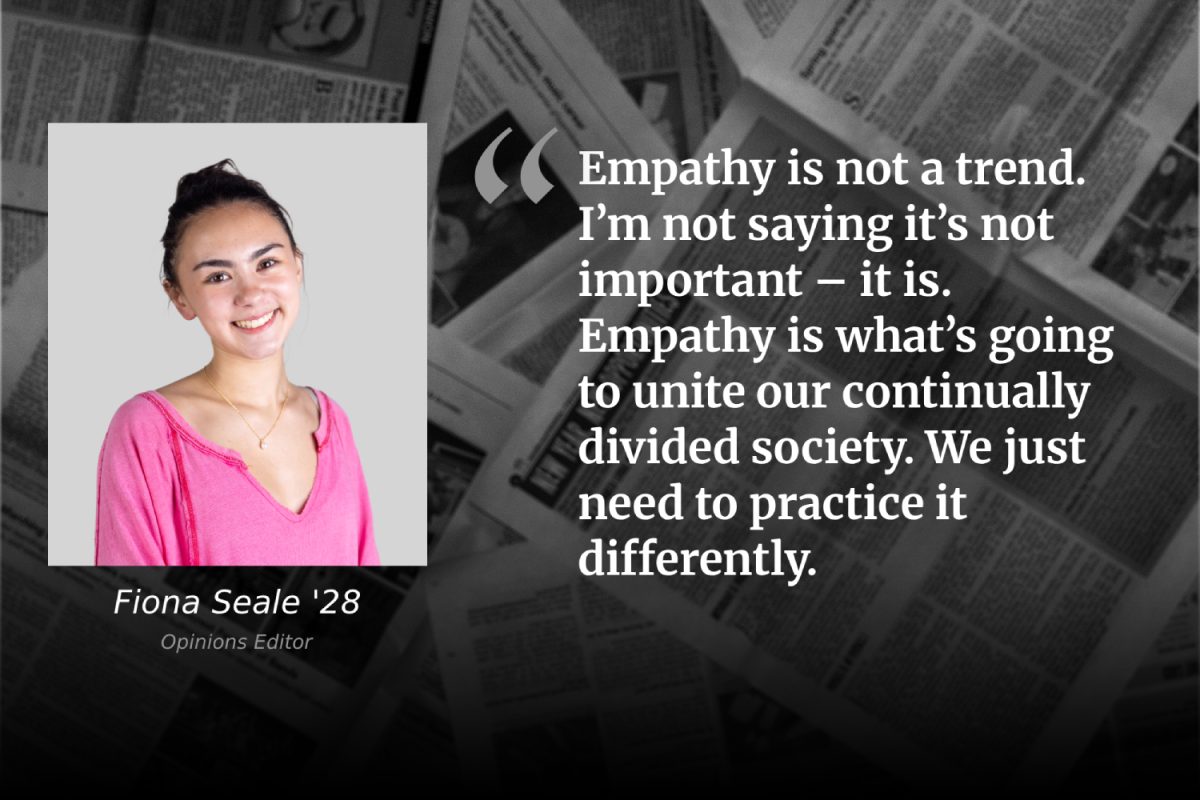
Empathy is not a trend. I’m not saying it’s not important – it is. Empathy is what’s going to unite our continually divided society. We just need to practice it differently.
Most importantly, we need to stop posting about empathy and start acting on it.
Each opinion represented in The Panther Press is the view and voice of the writer. Opinions, as the selection and curation of content by the editors, do not represent the views of the entire Panther Press staff, the adviser, the school, or the administration.