
In Japanese, origami means folding paper– “ori” meaning “to fold”, and “gami” meaning “paper”. It is a practice that has been around for centuries, and is a prevalent hobby that combines both art and geometry.
Sophomore Jocelyn Kurchan has been doing origami since she was seven years old.
“I saw my brother folding up a sticky note on a long car ride, and I thought it looked really fun, so I wanted to try, and he showed me, and ever since then I’ve just been doing it on my own,” she said.
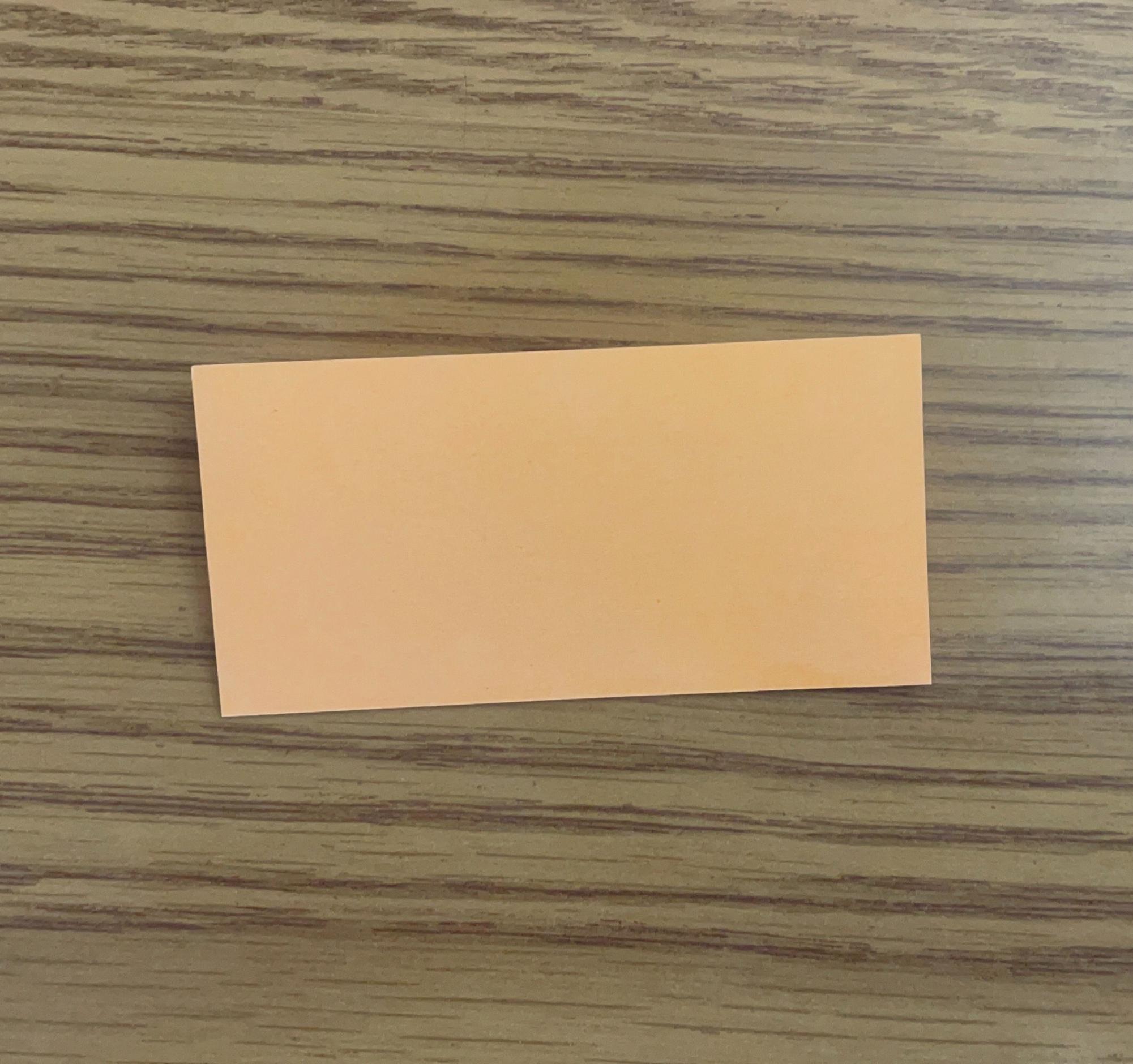
Kurchan provided the instructions to make a four-pointed origami paper star, a simple craft that requires only a square piece of paper, like a sticky note.
She explained that the first step of the process is to fold the paper in half, to create two rectangles of the same size. Kurchan advises that the paper should be creased thoroughly. After this, the paper should be ripped in half along the fold, and the two separate pieces must be folded in half – longways.
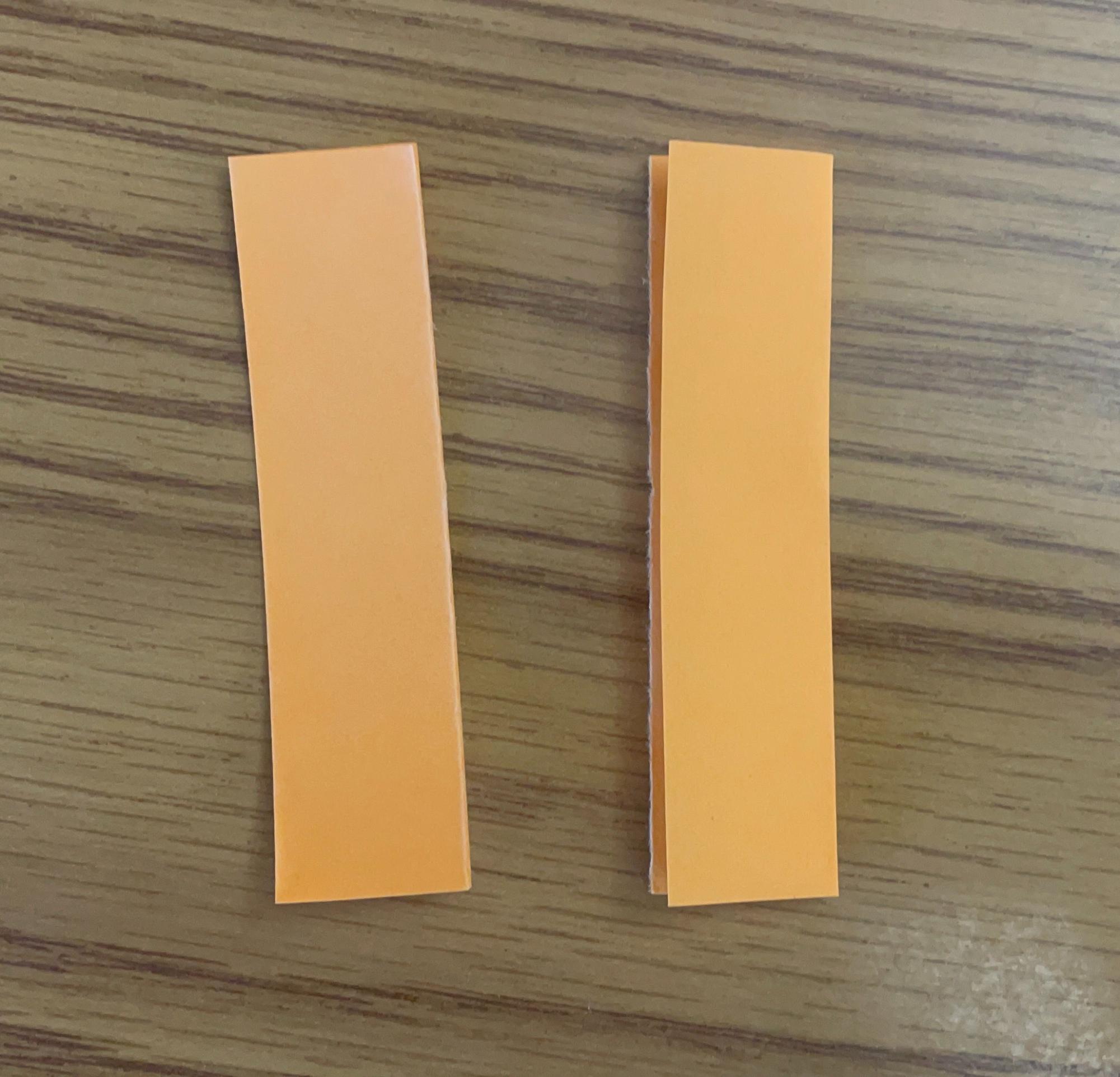
The next step is to take one of the pieces and fold the corner upwards, into a triangle. Afterwards, flip the piece around and do the same to the other corner. Repeat this process on the other piece of paper, but this time, fold the corners down instead. Kurchan says that the two pieces should look like opposites once they are finished.
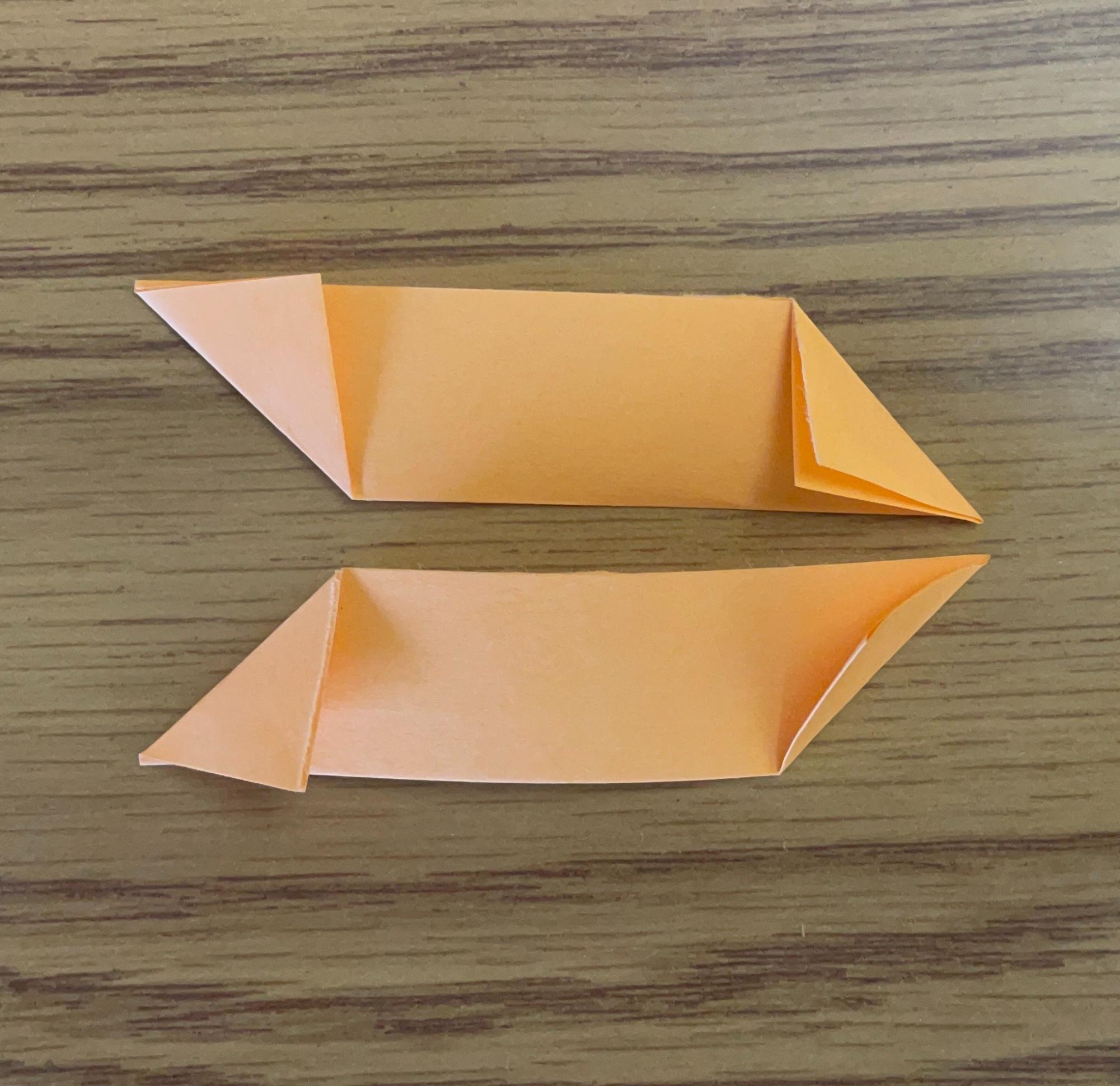
Next, take one of the pieces and fold up the side so that it meets the triangle corner, forming a little line. Turn it over and do the same on the other side. Then, repeat the process with the other piece, folding down instead.
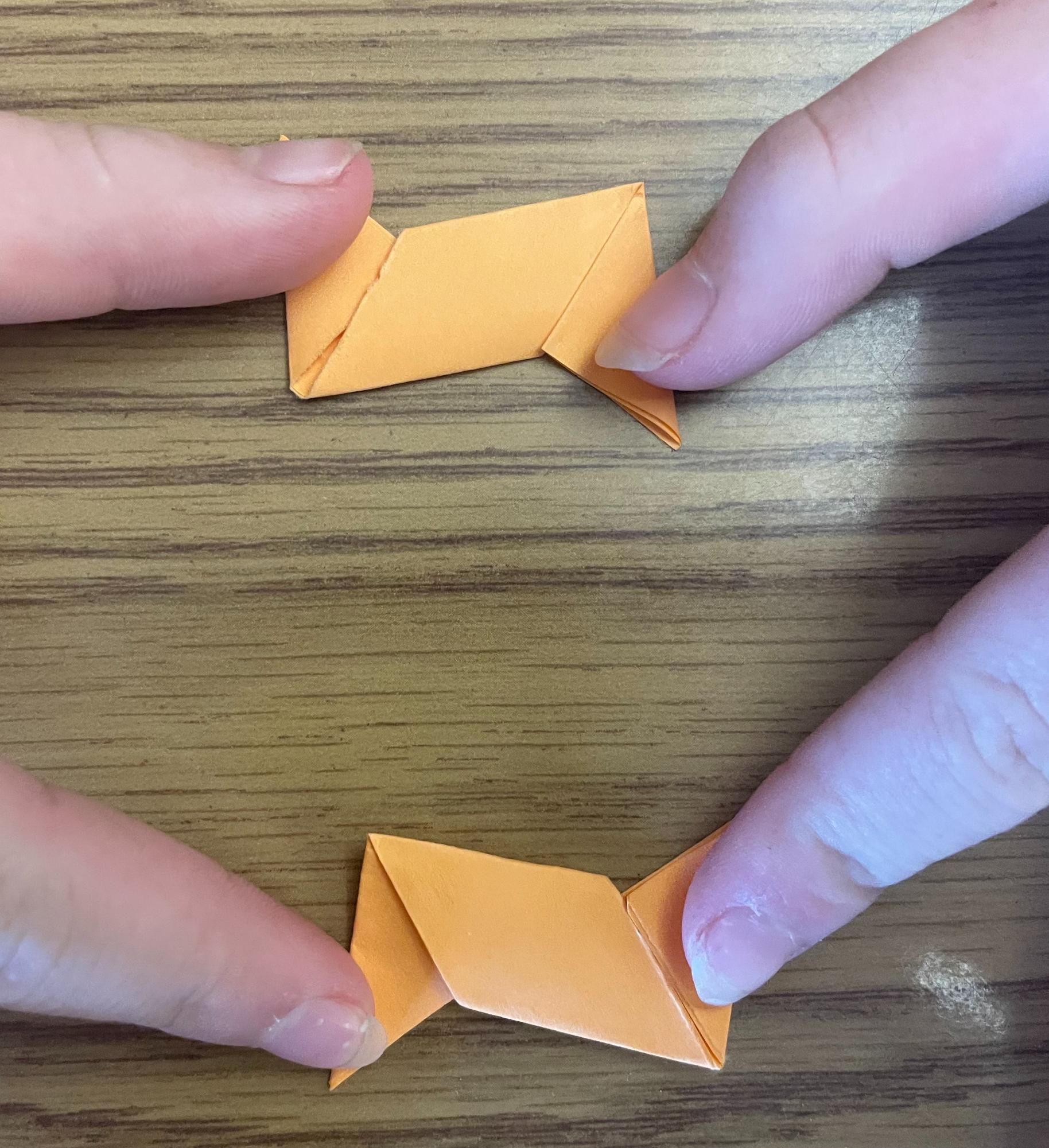
Kurchan describes that there will be sides to the two pieces that look flat with two folds on them, and says to make sure that they are placed flatly against each other. Do not do this with the sides that have only one fold. Take one corner, and fold it into the little slit in the center. This will make one of the points of the star. Do the same on the other side, folding each little triangle on the end into the slit– once all of these are folded in, the paper star is complete.

(Mat Mataac ’28)
“[Origami] helps me focus and pay attention in class. I can fidget with my hands, and also make really cool shapes.”
Along with the benefits of improved concentration and dexterity, origami is a creative outlet that is widely accessible when it comes to resources and finding instructional materials.
“Just search up simple YouTube tutorials. They’ll come up easily,” Kurchan said.












![The girls varsity lacrosse team shouts during their pre-game huddle at their playoff game against Villa Maria Academy on May 19. The team lost 5-15, but the athletes had a lot of great saves and plays. "Coming off of a season losing a lot of valuable players, I think we really adjusted well, and we came together [and] did the best we could," Tessa Dignazio (10) said.](https://shpantherpress.com/wp-content/uploads/2026/05/GEBHARDT-GLAX-5.19-19.jpg)
![The varsity softball team chants during their pre-game huddle at the Division I playoff game against Phoenixville on May 18. The girls ended with a 14-7 record. “I think it was a really good season, especially [since] we went into the season with positions being moved around and losing a lot of important seniors from last year,” catcher Alyssa Bisordi (10) said.](https://shpantherpress.com/wp-content/uploads/2026/05/GEBHARDT-SOFTBALL-PLAYOFFS-5.18-2-1-1200x800.jpg)

![Alice Rieger (10) explodes to reach the frisbee during the game against Garnet Valley on April 28. Rieger scored multiple points for Haven and was excited to see the younger players in the game. "We put a lot of effort into our defense, and we spent a lot of work putting on some players who are less experienced, so that they could work on their own game. We could get a lot of good chemistry with the team and [get] in some players who don't get to play as much,” Rieger said.](https://shpantherpress.com/wp-content/uploads/2026/05/3D7A9038-1200x800.jpg)