Imagine you’re at the movies with your friend, and maybe you’re watching “Project Hail Mary.” You look over to comment something to them, and you notice a glowing rectangle coming from their hand, and you realize they are scrolling on their phone mid-movie.
Sounds bizarre, right? Why would you be scrolling on your phone watching short videos when there’s a giant, more entertaining video on the big screen right in front of you?
There is actually something more complicated going on behind the scenes that pulls people towards their phone to scroll. And even though they may be saying to themselves, “just one more swipe and I’m done,” the science behind it explains why it’s so difficult to pay attention to something for a long period of time without being inclined to start scrolling.
When you do something that makes you happy, like hanging out with friends, you get a rush of dopamine, or the “happy hormone.” You get a strong sense of motivation and reward which leads you to feeling happy. Similarly, when you scroll, you get hit with a tiny rush of dopamine.
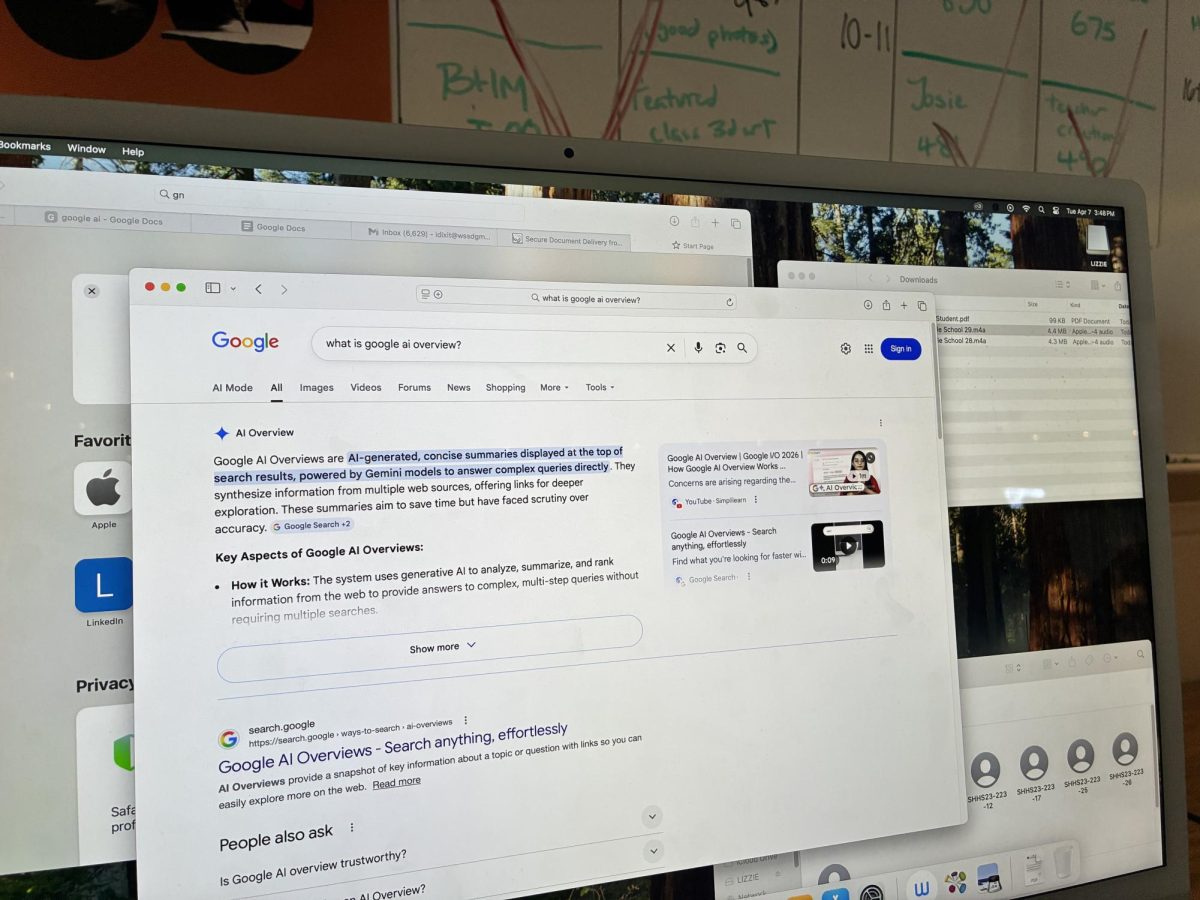
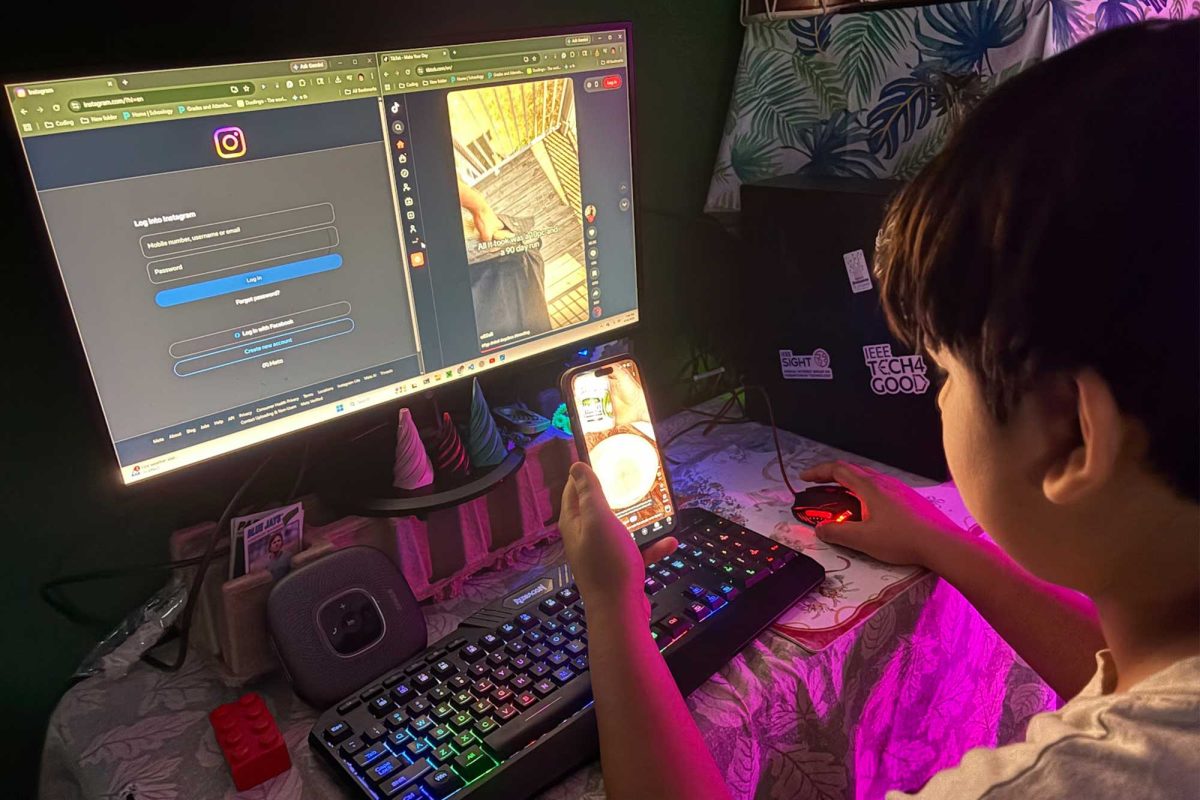
The problem is that apps that host short-form content like TikTok or Instagram are designed to deliver these “rewards” — or the dopamine hits with the short form content — unpredictably, similar to a slot machine.
This taps into a psychological principle called the variable reward schedule. The variable reward schedule is a behavioral psychology principle where rewards for a specific action are given unpredictably to encourage persistent behavior. This principle keeps you hooked on scrolling because you never know what the next swipe will bring and you are curious to find out.
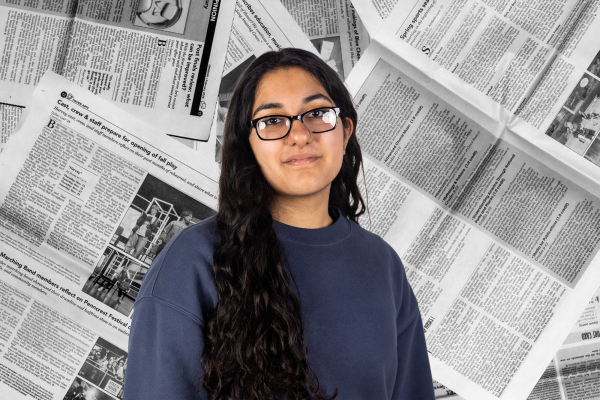
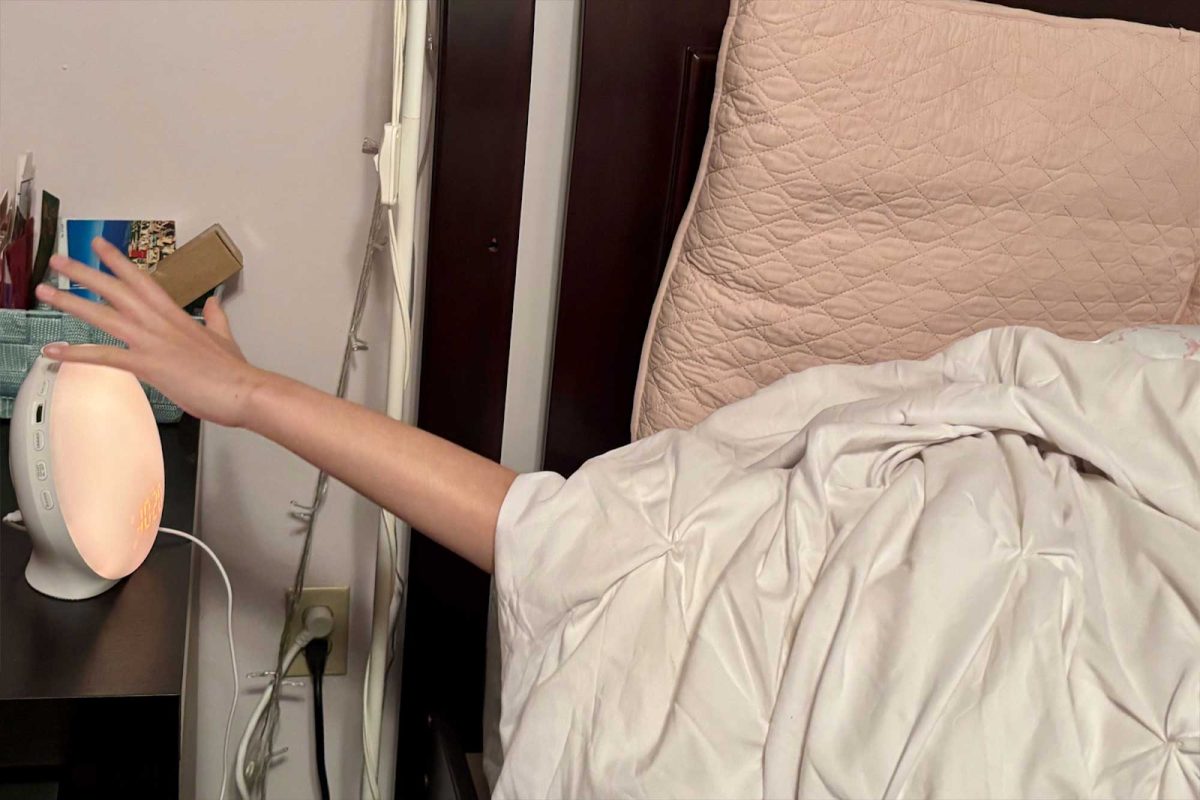
Haven students have been exposed to this phenomenon, stating how it can ruin their productivity or their sleep. Freshman Anya Zhu notes it has had a significant impact on her and her attention span, especially because she is inclined to keep scrolling instead of stopping.
“I think it lowered my attention span, because I can’t even remember the last video I watched so I think it’s a waste of time,” Zhu said.
She also says that it has caused her to not remember long lectures in class, similar to how she doesn’t remember the videos she watched.
“I think it lowers your attention span for more educational videos, like the ones we watch in school, because watching social media every day is not a form of education, It’s more entertainment instead of education,” Zhu said.
Although some students are able to resist this temptation and focus on what they need to do, other students struggle with this. Sophomore Michael Chen states that he notices his peers struggling to stay off of short-form social media like Instagram, and that it has significant impacts on their day.
“I think [short form content] hasn’t really affected [my attention span] that much. I think that I can do what I need to do if I have my mind on it… I think [they’re] really affected with Instagram reels, but yeah, most of my grade is,” Chen said.
Since short-form content platforms are engineered to activate the variable reward schedule with small hits of dopamine, students start to rely on them as a way to decompress. Freshman Nadia Blum consumes short-form content for 30-45 minutes a day, and she says she usually stays within this limit but sometimes goes over it.
“I think usually after school is kind of like a break from all the academic [work], so immediately after school, once I get home, I usually eat a snack, [and scroll], as a way to unwind from what’s happened,” Blum said.
Not only is short form content affecting attention spans, but it also has an impact on behaviors and personalities of students. Students start talking and acting like the things they see when they scroll, and this can be a major concern especially if the content they are consuming is dangerous or harmful.
“I feel like [certain] groups do spend more time [on social media] than others, and I feel like there’s really no way to tell, but just based on the way some people act,” Blum said. “Some things that they do [reflect this], like for example making TikTok dances in the middle of class.”
Blum believes that some of these actions may be based on the students’ personalities, but their actions can be heavily influenced by the short form content they see online.
Although these effects are also significant to a students’ health, a major concern amongst professionals are attention spans decreasing by the decade. A study done in 2024 found that the average person’s attention span when using a digital device has lowered from two and a half minutes in 2004 to just 47seconds today, which is a dramatic 66% decrease.
Some students are aware of this harm while others are not. Although schools have implemented many programs to raise awareness about this issue, these apps are engineered to leave vulnerable minds wanting more.
Chen explains that he has realized the impacts of short-form content, and has been noticing it in real time. He believes that scrolling can have a significant impact on someone’s day and even their life.
“I don’t really have any problems sitting through class lectures and long assignments right now, but I do know the consequences of watching too [much short form content] can lower your attention span a lot,” Blum said.