Whether observing a local change in the temperature or scrolling to a devastating post about a wildfire, the impacts of climate change are everywhere. With that, eco-anxiety has become a growing concern among individuals. Defined as a chronic feeling of environmental doom, eco-anxiety can be elicited due to a combination of factors. News about current environmental events, such as climate change and ecological disasters, can instill feelings of uncertainty and even fear.
This phenomenon is increasingly relevant in teens. Now more than ever, due to an increase of media coverage on environmental concerns, students can be worried about what the future of the Earth may look like.
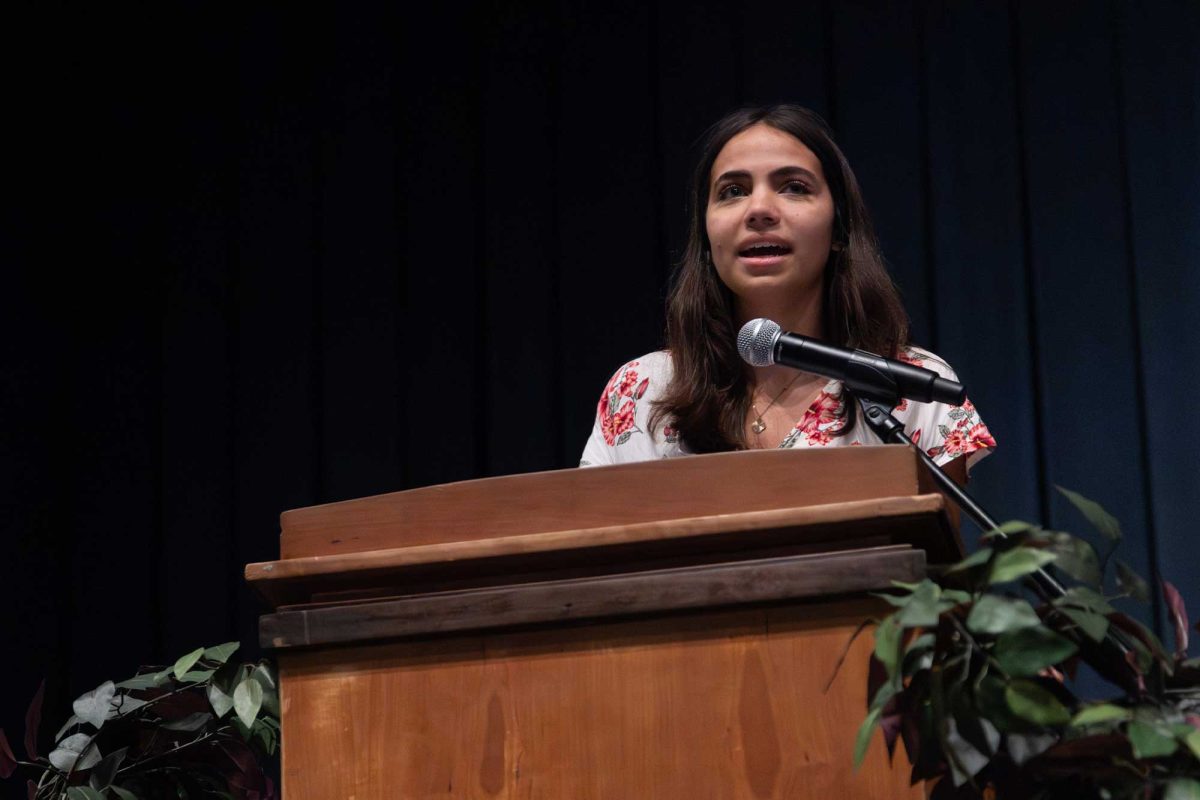
“We’re more well aware of what’s happening in the world,” junior Sophie Grossman said. “There’s obviously a lot of anxiety on what’s going to happen, but the information could also help people become more aware.”
While knowing more about the environment can cause anxiety and fear in some scenarios, this knowledge is necessary.
“I think some people can see [the news] as a moment to step up and take responsibility to try and solve these problems,” Grossman said.
AP Environmental Science focuses on studying the natural world, environmental problems, and environmental progress. Science teacher Ms. Kathleen Freeman finds that she has had to modify the coursework to ensure the course does not initiate excessive feelings of anxiety.
“Because COVID was so heavy, I think it created such an emotional impact on all of us that it was really hard to show documentaries that didn’t have this happy ending,” Freeman said. “For example, there’s one documentary called ‘Racing Extinction.’ I had a really hard time showing that documentary after COVID, because it was so heavy that it was almost too much for students to really process.”
Freeman often showed a documentary for each unit, but as the effects of climate change become increasingly localized, the topics have become more hard-hitting. For this reason, Freeman has shifted to incorporate more projects and discussion into the class curriculum instead.
“The world is a little heavy right now,” Freeman said. “And it has been, I think, since COVID. And so, the class can be seen as heavy sometimes. So it’s nice to just be able to focus on some positive things or just make it less visually intense.”
While the concerns regarding climate change can be overwhelming, it is crucial to stay educated on the topic. Freeman finds different mechanisms to ensure students can both stay aware and stay light.
“I feel like climate change is one of those everyday things that you experience, especially young people, and we’re always hearing about the impact of climate change,” Freeman said. “When we’re in AP Environmental Science and talk about climate change, I try to break it up into smaller topics…looking at the factors of climate change separately helps reduce some of that anxiety.”
Freeman also makes sure to talk about the solutions and past successes when it has come to mitigating climate change or environmental degradation. One such example is the Clean Air Act, which successfully improved air quality, particularly in urban areas. Focusing on such solutions allows for students to feel less anxious and more empowered.
“I try really hard to focus on some of the things that we’ve done in the past that are indicators of what we’ve done well,” Freeman said. “We historically burned a lot of coal and that went into the atmosphere, but our Clean Air Act regulates a lot of those pollutants…I try really hard to look at environmental problems and also focus on the things that we’ve done well, too.”
The balance of knowledge is crucial to avoid feeling overwhelmed by what’s happening in the world. Through introducing topics in class and encouraging outside of class learning, Freeman aims to reach this balance.
“I may present like case studies and say, ‘Hey, when you go to buy a home, this might be an issue, and you may want to think about radon and here are the ways that you can look into it,’” Freeman said. “I like giving [students] the opportunities to be exposed to those topics so they can dive deeper and feel like they know where to look, rather than feeling overwhelmed by just the bombardment of social media.”
Fostering love for the environment is an important first step when it comes to empowering people to care for the environment. Freeman’s class serves as a way to get exposed to different aspects of the environment.
“Knowledge is power, so being able to give students the foundations for that knowledge that they can then go and dive deeper in is really important,” Freeman said.