Higher taxes. Cutting 19 positions. A smaller budget for travel. Less food. The Wallingford-Swarthmore School District has tried to avoid a budget shortfall in many ways. And yet, the district is still millions behind in its fight against a looming budget shortfall.
At the April 21 Facilities and Finance Committee meeting, district administration presented the budget for the coming 2026-2027 school year. The district has spent much of the last six months trying to find ways to cut spending and avoid a shortfall.
In February, the administration released a reorganization plan that would cut 19 positions, including five central office administration positions. The administration has also vowed to slash budgets for professional development by relying more on internal training, reducing travel costs, and cutting food spending.
According to board member and treasurer Robert Miller, rising costs for prescription medication benefits for staff neutralized these gains.
“The restructuring plan saved the district money, but because of the outrageous increase in prescription [costs], which is driving the benefits [costs], it almost became a net zero,” Miller said at the meeting. “I understand the limitations around contracts, but I think the board and the public should be very clear that an overly generous prescription plan is driving costs significantly.”
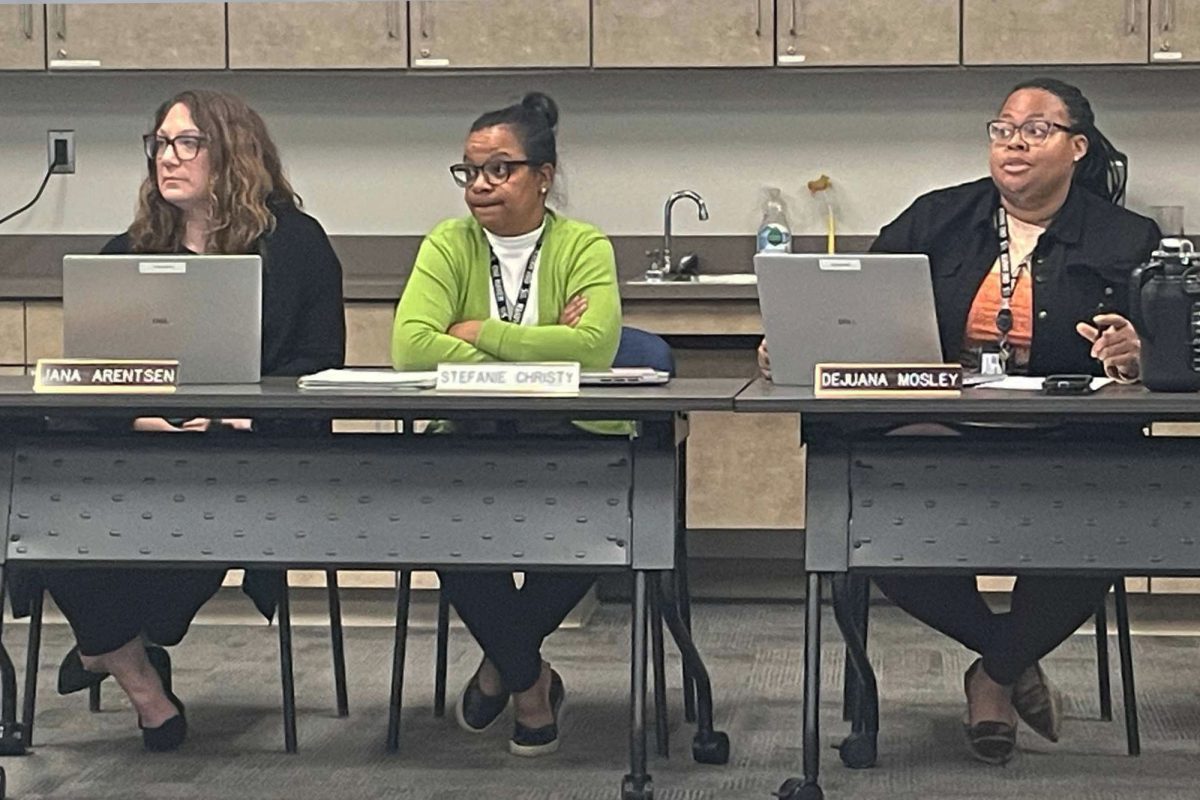
The district has also sought to dodge the fiscal troubles by raising taxes. At the meeting, business administrator DeJuana Mosley announced a 3% tax hike. The district, already having one of the highest tax rates in the county, cannot raise taxes more than 3.5% under the Act One Index.
But these efforts have been insufficient to mitigate rising spending, and the district has been forced to use reserves to balance next year’s budget. According to Mosley’s presentation, the district will raise about $105 million in revenue and spend around $107.6 million, making the district use around $2.6 million in fund balance (reserves).
“We are not trending in the right direction,” Mosley said at the meeting. “We are using more fund balance every year to balance the budget. There has to be a course correction.”
The district has only around $12 million in reserves, a number that will drop to around $9.4 million after next year under the proposed budget. This raises concerns for some board members.
“We are using fund balance to balance our budget, which is outrageous,” Miller said.
The district experienced a significant spending increase after approving a teacher contract last year following a protracted negotiations process. According to superintendent Dr. Russell Johnston, it is possible that as teachers retire, some positions will not be filled.
“We’re asking for every retirement, for every resignation, ‘do we need to backfill that position?’ And if we don’t, let’s make sure that we capture the savings,” Johnston said at the meeting.
At Johnston’s presentation at the April 27 board meeting, he identified positions for potential further cuts, including a high school science teacher position and four elementary school teachers.
When the fiscal troubles were first announced in November, Johnston promised to try to keep cuts “away from the classroom.” Now, some students are worried that the cuts will lead to academic impacts like larger class sizes.
“I think it’s going to end up inevitably that Johnston is touching the [classroom], and I think it’s going to be negative for everybody,” junior Henry Hewitt, who is running for student school board representative in the upcoming student council elections, said.
Other students, however, feel that some classes could afford larger class sizes.
“We could condense especially in AP classes because people elected to take it, they want to be there and they want to be participating,” senior Ryan Markey said. “It means that we can have a smaller staff.”
According to Johnston, this may not be the end of the cuts. The district will need to continue to make reductions next year to avoid the continued use of reserves.
“It is unacceptable for us to long-term rely on fund balance,” Johnston said. “The work goes on.”