

The Wallingford-Swarthmore School District has a spending problem.
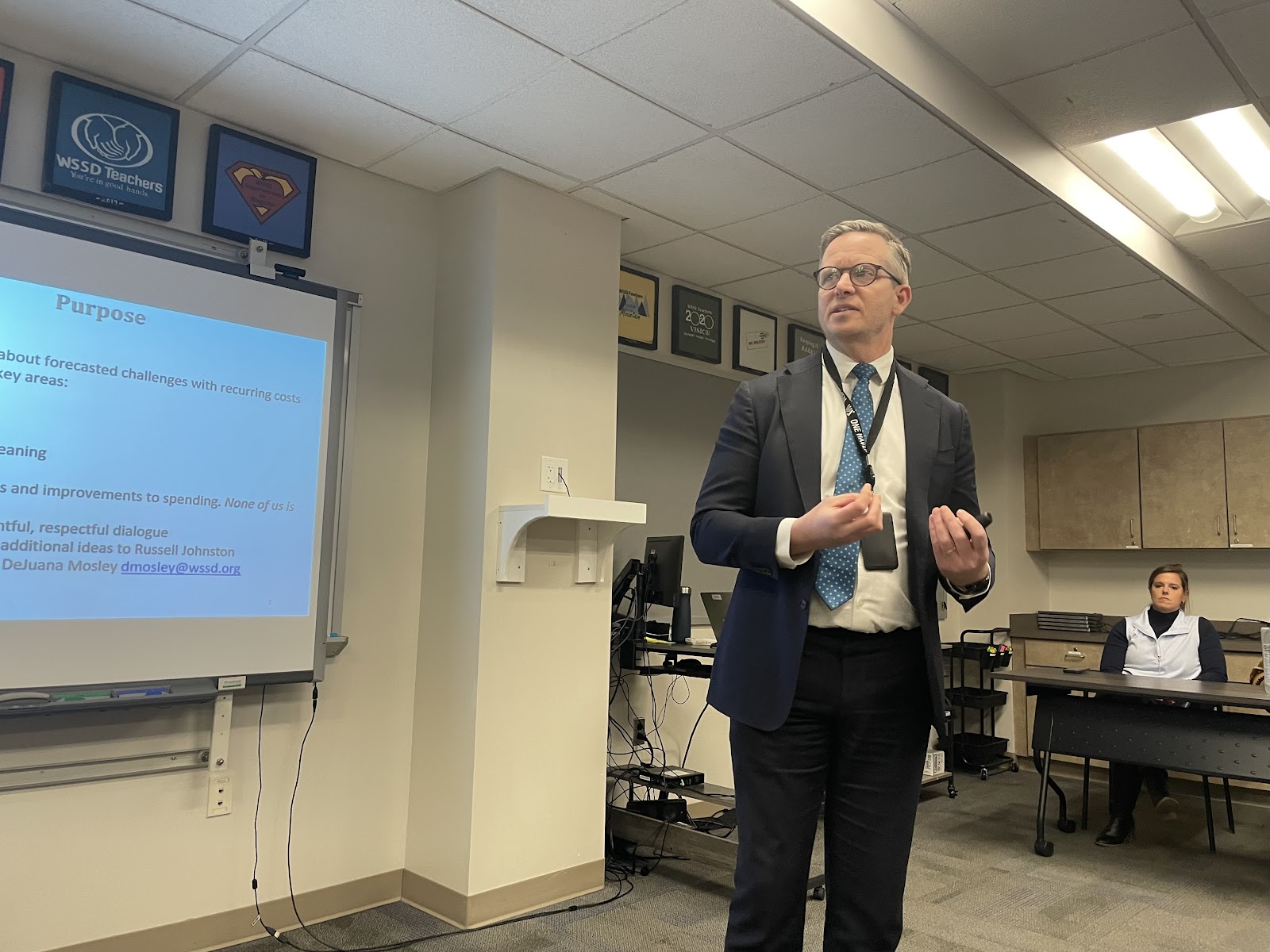
District administration first broached the subject of the $2.6 million budget shortfall at the November 18 meeting of the school board’s Facilities and Finance Committee, the second-to-last meeting before the new school board members were inducted at the board’s December 1 reorganization meeting.
From the beginning, administrators have framed the issue as one of excess spending, emphasizing the need for a shift in the district’s culture.
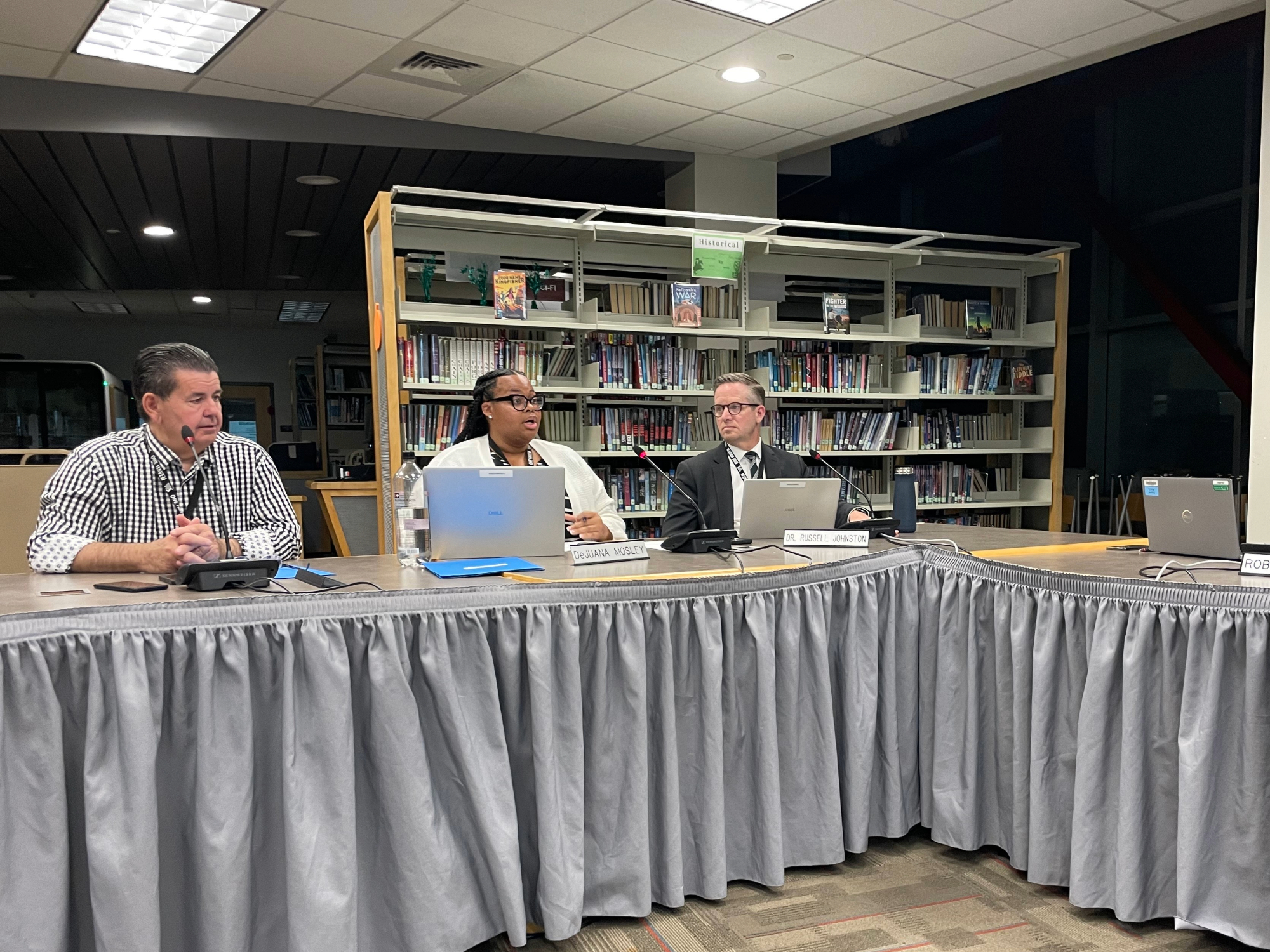
“The district has a spending problem,” business administrator Ms. DeJuana Mosley said at the November 18 meeting. “There must be a cultural shift prioritizing our needs beyond wants and living within reasonable means.”
Since 2021, the district has seen a budget increase of more than $15 million, according to the administration’s presentation at the meeting.
The spending increases were largely encompassed during the tenure of former superintendent Dr. Wagner Marseille, who left the district in August 2024.
Now, the district is looking for ways to cut $2.5 million dollars in spending between now and June, when the budget is due to be finalized, the administration says.
“Spending is about habits,” superintendent Dr. Russell Johnston said at the meeting. “So we have to change our habits, and that’s challenging.”
The conversation comes at a time when the district is currently planning a renovation project to the high school more than two years in the making, costing up to $80 million depending on the breadth of the project.
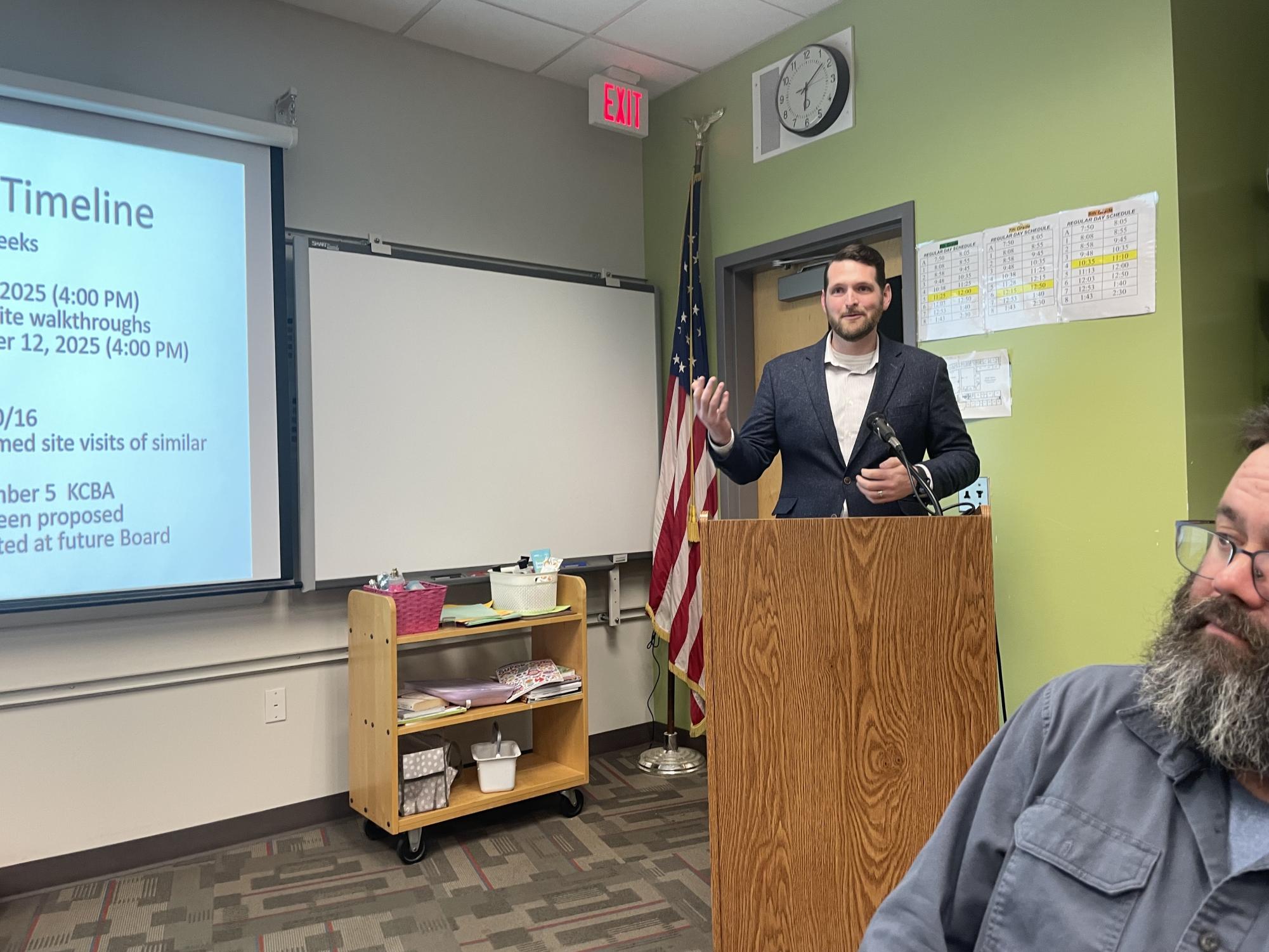
According to Mosley, the district has also seen increases in fixed costs, including the need to address construction repairs that have grown more expensive as they remain unaddressed, and an insufficient number of cleaners to keep the school clean.
Other fixed costs include bus leases, as well as special education services mandated by state and federal law. That is not to mention the teacher contract approved last year in the wake of community backlash. The contract guarantees budget increases for salaries and benefits for teachers, bringing another fixed cost.
According to Johnston, the district intends to cut funding that is “furthest from the classroom,” suggesting bus transportation for kindergarteners as a potential cut in the November 18 meeting.
Johnston later would retract the suggestion after public furor over the idea, including at a December 8 community forum where multiple community members indicated they would rather cut late buses for student sports and activities.
According to Johnston, the cuts could potentially apply not only to the 5:05 activity buses, but instead all of the buses after school, including buses at 2:05 and 3:05.
“We’re looking at everything, so we’re leaving no stone unturned and really wanting to get feedback on every option that we have,” Johnston said. “We did put them all on the table at the community forums, every option for how we are doing the later buses that include anything that’s happening after school that gets into the options that we have right now. The question is, should we continue them across the board?”
Such a change would have the potential to cripple the ability of some students to get home after school, or participate in after-school activities during 5th block like getting help from teachers and participating in music classes or clubs.
At the December 8 forum, transportation director Allison Sload emphasized the need to use buses to the highest capacity possible — which according to her would have three students to a seat.
The forum explored multiple potential areas to cut spending, including staffing, transportation, capital improvements, special education, and curriculum.
A popular idea among students is the removal of Schoology, which was instituted in place of Google Classroom two years ago.
“I think going [back] to Google Classroom would be a good start maybe,” senior Mason Barrar said.
Johnston declined to comment on Schoology specifically, instead emphasizing instead the need to cut “redundant” instructional technologies and pointing to the administration’s ongoing review of instructional technologies.
Other methods of reducing spending set forth by the administration include a higher reliance on in-house instruction during professional development for teachers, a reduction in the size of the high school renovation project, or changes to administrative structures and positions.
Some students more explicitly identified administrative positions as a needed cut.
“I think it’s kind of ridiculous that a superintendent or an assistant superintendent makes hundreds of thousands of dollars, whereas teachers don’t make nearly that much,” junior Zeb Smithey said. “And I think that if any salaries are going to be focused on, it should be teacher salaries, because I think they’re the ones who are out here every day doing the really hard work.”
Though Johnston emphasized the importance of cutting items farthest from the classroom, he identified the analysis of class sizes and potential reduction of program offerings with low enrollment as a last resort for cutting spending.
“We can leave no stone unturned,” Johnston said.
The $2.6 million shortage does not simply represent a spending increase, however. The shortage represents the amount that the district is short even after enacting the maximum legal tax increase.
According to Johnston, though, the district would prefer to avoid such an outcome. Anger over excessive spending was one of the major drivers of community discontent during school board meetings last year.
The Act 1 Index under the Pennsylvania Department of Education establishes the maximum tax increase without voter approval for each tax the district levies. This creates a problem for the largely residential district, being highly reliant on property taxes.
For WSSD, the Act 1 index mandates that the district raise taxes no more than 3.5%, and such an increase would come when the district already has one of the highest tax rates in Delaware County.
Though the problem stems largely from spending increases by the district, the district also faces a decreasing tax base according to Mosley.
This means that when homeowners reassess the value of their property or apply for tax exempt status, the district is unable to make up for that loss of revenue. Such a situation is made worse by the significant amount of land owned by Swarthmore College in the district, which is tax exempt as an education institution.
The lack of tax revenue from the college has led to suggestions that the district seek compensation from the college for its tax exempt status. Numerous community members put forward the idea at the December 8 forum, even suggesting that the district tap funds from the college’s endowment, which has been stated to be more than $2.8 billion.
At the forum, Johnston clarified that no attempt at such an arrangement had been made by the district. Johnston believes that the district already collects significant sums of revenue and would be better off to control its own spending.
“The $105 million that we have to provide quality educational services for our district should be adequate for us to do so,” Johnston said.










J T • Jan 9, 2026 at 11:08 am
This is really good. Very professional and informative.