
From vitamin A to zinc, the human body requires certain amounts of vitamins and minerals in order to function properly. Usually, these vitamins and minerals are gained through balanced, healthy diets.
However, an increasing amount of immune boosting supplements have been developed to supplement diets.
Immune boosting supplements are marketed as support for the immune system. The goal is to provide essential nutrients to the body.
Vitamin C is the most popular immune boosting supplement. It is taken to reduce severity of colds, and research finds that it is good for decongesting. However, the success of vitamin C supplements is still arbitrary.
“People think ‘Oh, well I’ll just take vitamin C if I’m going on a trip,’” school nurse Ms. Jennifer O’Berg said. “It helps boost [vitamin C] up to maybe make you a little bit more within range, but it doesn’t really help if you’re not deficient.”
The lack of research on the success of these boosters makes people more critical of their proclaimed benefits.
“We hear of some students using them, and we’re always a little bit leery, because they’re not FDA regulated, and any kind of supplementation should only be done under the direct supervision of the doctor,” school nurse Ms. Sarah Fleming said.
Ignoring such regulations can be damaging, which is why taking these supplements can be dangerous.
“Any time you take too much of something, you can have long lasting side effects from that,” O’Berg said. “We know certain boosting things can cause toxicity when taken in large amounts for a long period of time.”
The fear of toxicity is especially relevant to teenagers.
“A teenager concerns me, number one, because they’re often not following the recommendations on how to take it safely,” Fleming said. “And number two, your bodies are still growing and developing and we don’t know necessarily what impact [boosters] are going to have on a body that’s not fully developed yet.”
The gap in research, specifically looking at the impact of boosters on teenagers, is concerning. Yet, many immune boosting supplements specifically target teenagers and young adults. Social media marketing impacts these groups.
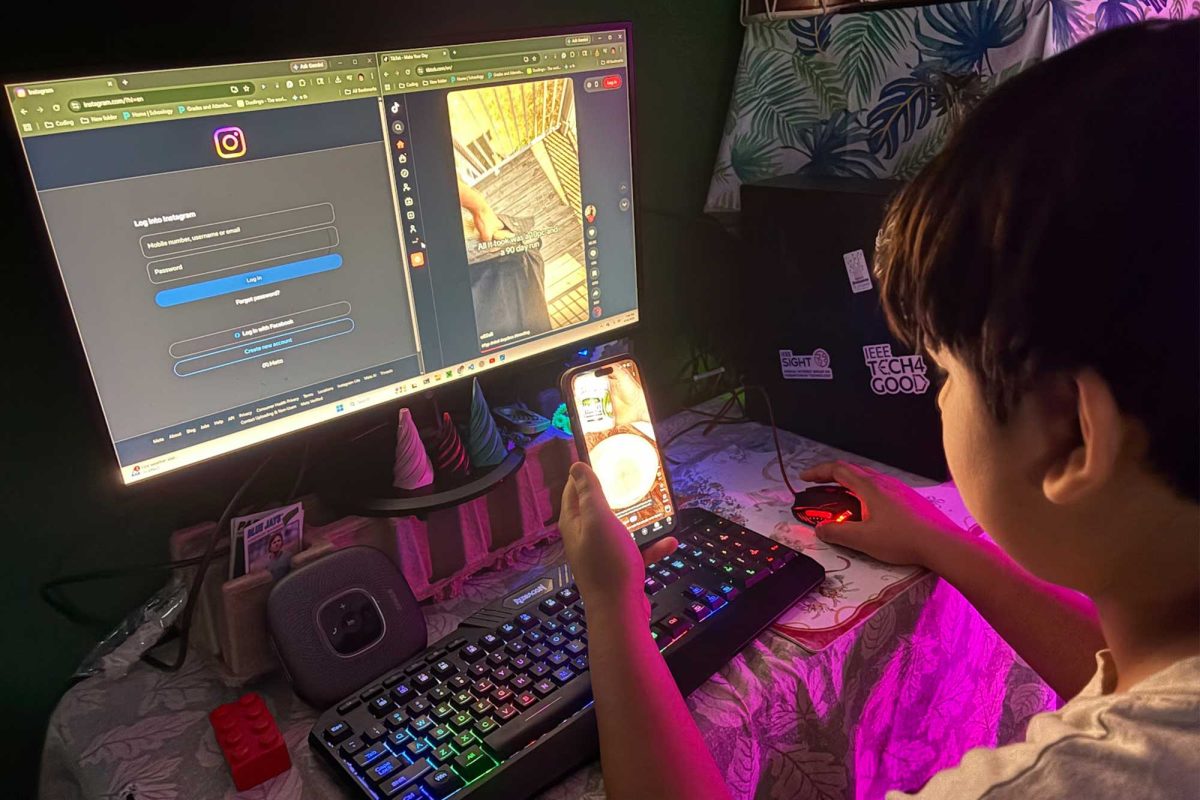
“I think there are a lot of kids trying to take things to better their health,” junior Laney Suh said. “I think there’s been an increase because of social media. On the algorithms, like on TikTok… they promote boosters and [students] probably think it’s good for them.”
Fleming and O’Berg emphasize the importance of remembering basic and true health practices in order to stay healthy. It is important to understand that supplements are not a replacement for vaccination or a healthy diet, as these seemingly simple habits are the most beneficial.
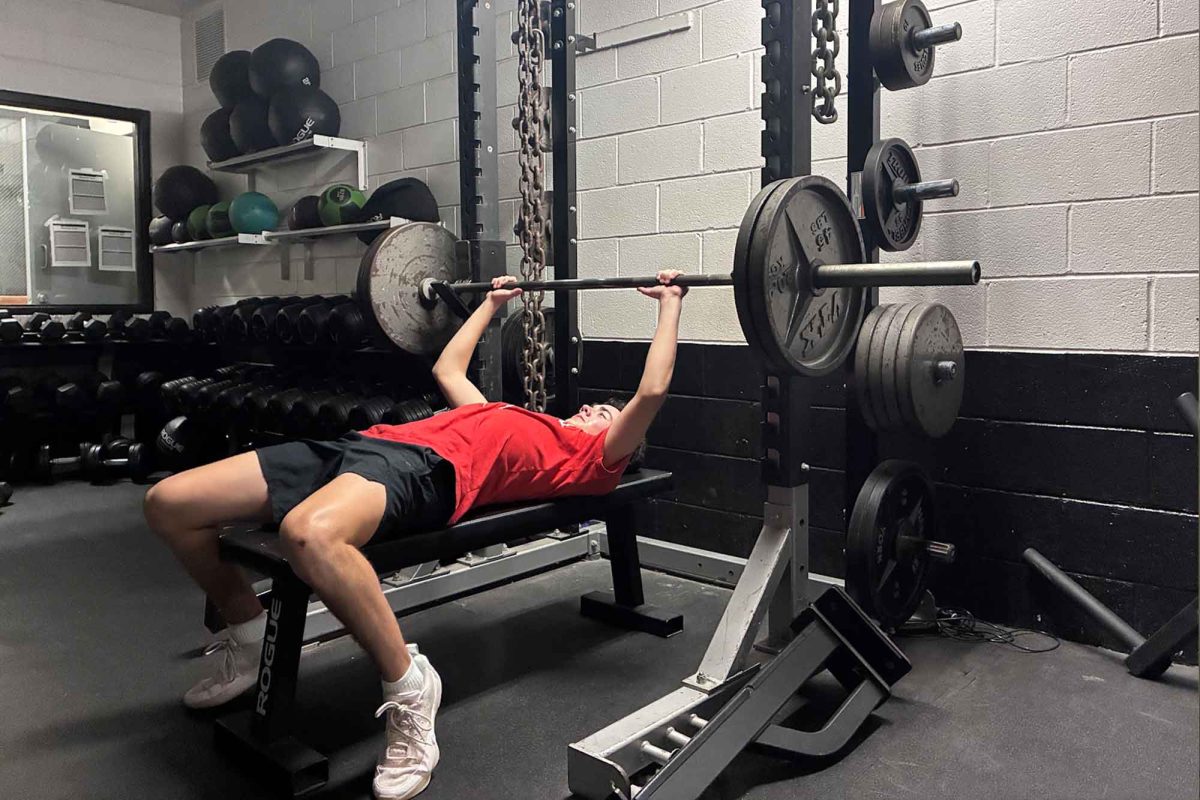
“I think supplements have their place, but I think the majority of your immune boosting can be done through other health practices that have been proven,” Fleming said. “Sleep, good nutrition, whole food nutrition, exercise. Those are also things that boost our immunity rather than just taking a drink of something.”