
AI is here to stay.
In response to the growing discourse around AI in education, the WSSD administration released the first draft of a new AI policy — an administrative regulation (AR) on the usage of AI, a part of policy 815 Acceptable Use of Technology. The policy was introduced as a first read at the policy committee meeting on Feb. 3.
The AR reads, “The use of generative AI by students is only allowed to the extent stated by the teacher for an assignment.” It outlines definitions, use cases, and consequences for unsanctioned uses of AI in the district.
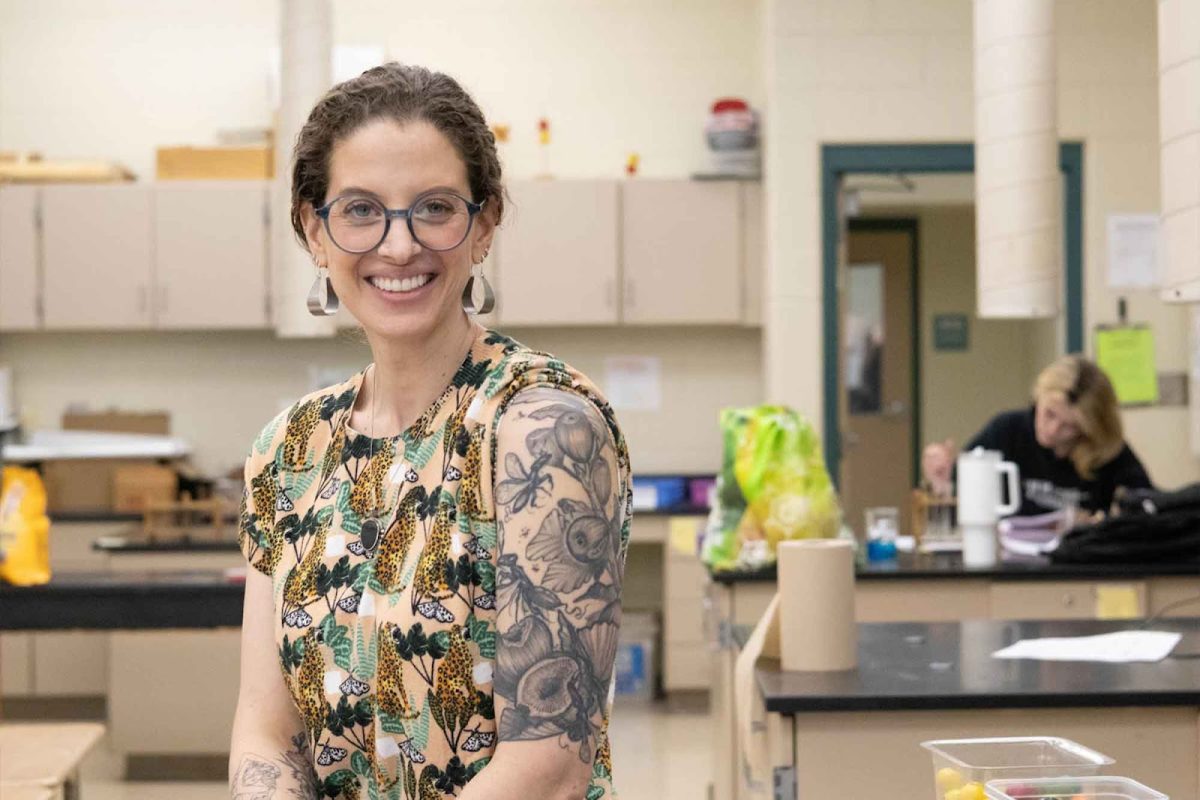
Supervisor of Instructional Technology Kate Paquette took the lead on building the new AR.
“This is not a mandate to use AI,” Paquette said. “This is a policy around the use of AI. This is really providing guidance around the use [of AI], should a teacher or student choose to use it.”
The purpose of the AR is simply to clarify things for both teachers and students by providing language and guidelines for AI use in the classroom – it does not require teachers to use AI in any form.
“I think that’s a big misconception amongst students and teachers and even some of our community members,” Paquette said. “Teachers still have free rein to decide that they don’t want to [use AI], because all this policy is doing is providing guidance around it. It’s really just meant to provide clarity so people feel more comfortable using it if they want to.”
The policy was influenced by Paquette and several committees, forums, and surveys to integrate perspectives from students, teachers, administrators, and community members.
Policy 815 Administrative Regulations (AR) as presented at the Feb. 3 WSSD Policy Committee Meeting
Loading Viewer...
English teacher Mr. Matthew Morris is a member of the AI Professional Development and Culture committee, which started meeting in the first semester to give input to Paquette as the AR evolved.
“When we started the committee in September, we discussed our broad feelings about AI and Gen AI in school,” Morris said. “Ms. Paquette shared what the process was going to be for her, as far as crafting the policies, administrative regulations, and guidelines for the district.”
English teacher Mrs. Miriam Drew is also a member of the AI committee, providing her opinions on the matters that the policy has to touch on.
“We definitely had a range of perspectives where there were representatives from multiple departments, and we had people who were staunchly against any use of AI in the high school at all – by teachers or students,” Drew said. “We had perspectives where some people believe it’s very useful for teachers, but that we certainly shouldn’t be expected to teach using lessons about how to use AI. We’re not there yet.”
Drew is open to the use of AI in the classroom and sees an advantage when AI is used as a tool, rather than a crutch.
“I want students to believe that learning is a valuable thing, and not replace their learning,” Drew said. “But I also think that the tool is powerful in other ways, and I’m not sure I’m one of the flat-out nos, but that’s my personal stance.”
Morris has been outspoken about being anti-AI and says that he does not believe in AI-integrated learning. He appreciates the flexibility given to teachers to decide how they want to use AI, or not use it, in their classes.
“For me, there are a lot of drawbacks for very little potential benefit from the use of generative AI in the classroom,” Morris said. “A lot of the things that people cite as benefits of generative AI are task completion benefits. If you think that you can use generative AI to do one of my assignments, I probably need to redesign that assignment. Not to catch you, but evidently that was an assignment that you thought was just asking you to complete a task, not to learn something.”
A part of the new AR is to build lessons to further AI literacy for teachers, students, and community members. The policy states, “The District shall develop and publish implementation guidelines that provide specific, practical guidance on the successful and ethical integration of Generative AI into academic activities.”
According to Director of Information Technology AJ Cetroni, the plan includes educating staff and students about the impact, use, and effects of AI, and holding a forum for parents and community members in the next school year.
“We will have separate training, one for all staff, and we’re still developing what it’s going to look like for students,” Cetroni said. “The AR is step one of many.”
The draft of the AR was presented at the policy committee meeting on Tuesday, Feb. 3, to the school board and community members. Paquette and Centroni will continue to work with the school board to revise and review the AR before it is reviewed for a second read at the next policy committee board meeting.
“Everyone’s just trying to make the best decisions for students that we can,” Paquette said. “We’re all going to figure it out together.”