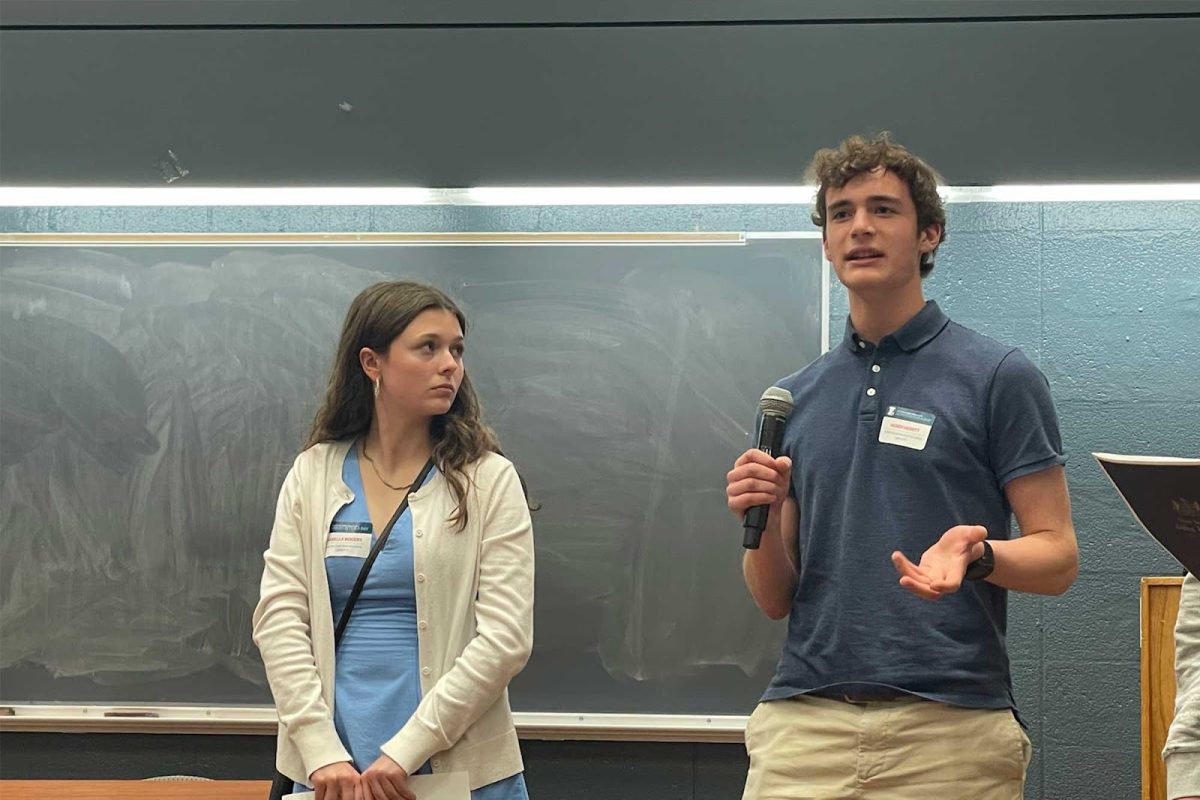
On March 12, nine students in their junior and senior years boarded a bus to Widener University, where they met 71 other students interested in politics and government. These students included juniors Clark Kerkstra, Lindsay Micklin, Noah White, Lyla Kelly, Josh Lund, Gemma Hicks, Henry Hewitt, and Dylan Kelly, as well as senior Ted Dudley. The participants were nominated to participate in the program by their history teachers.
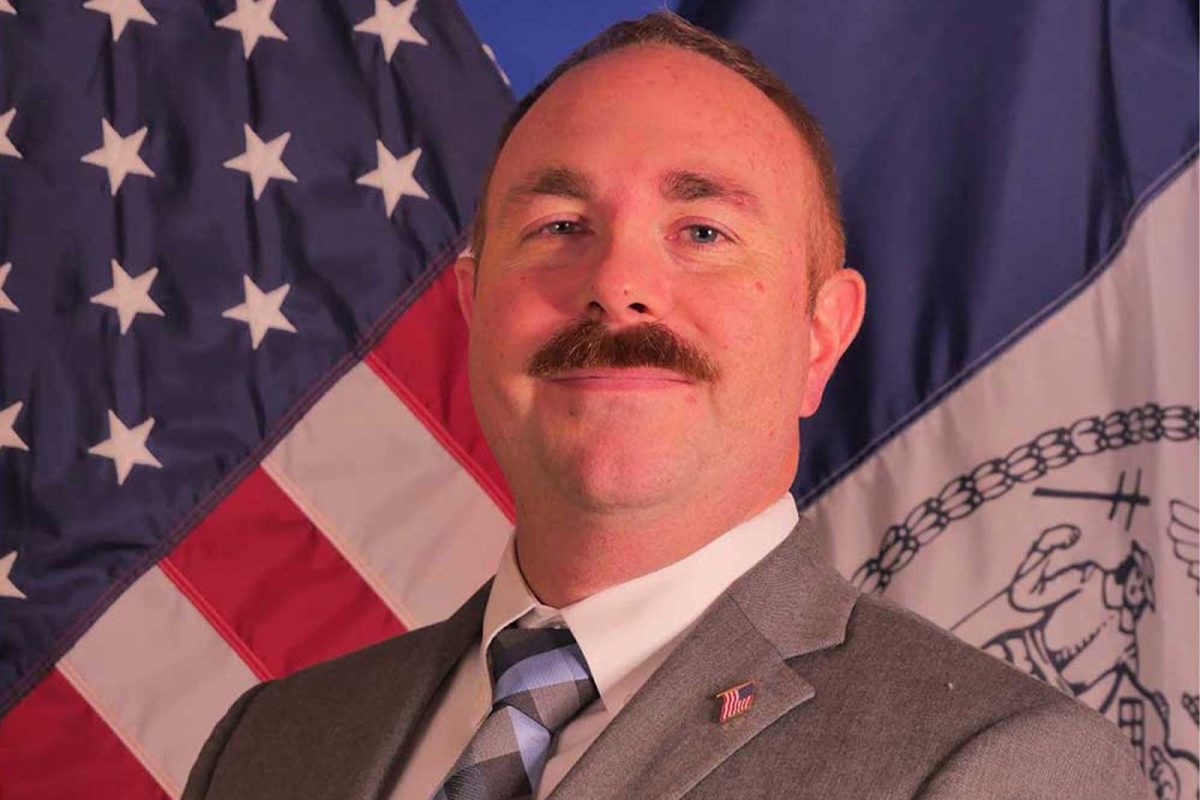
Students watched a lecture in the morning that showed what it means to be a Senator, with State Senator John Kane speaking about his life and how he got into politics. Kane was elected in 2020, and has served since then. He represents both Delaware and Chester counties, the two counties from where he pulled the selected students.
Students then watched a presentation from Kane’s policy director, Matthew Franchak, who spoke about how legislation is passed.
“The thing that interested me most was the presentation on what it means to be a policy director in Pennsylvania,” Lyla Kelly said. “As a Senator, you have to do all the speeches, but as policy director, you’re just writing the bills and meeting with the constituents, and that was really interesting [as a potential career].”
After the morning presentations, participants took a break for a brief lunch before reconvening for the interactive part of the day. Students were split into four groups, each of which was assigned a piece of legislation to debate — students got to choose whether they were pro or con. Some of the legislature included the bill on bell-to-bell phone bans that passed in February of 2026.
“[The debate room] was very energetic,” Dylan Kelly said. “There was a lot of passion in the room, and I thought that was really cool. It’s sort of like you’re stepping into the shoes of what a senator would do. I also thought it was cool how the senator allowed high school students to come and speak on the topics that would impact them.”
Students took away more big-picture ideas about how the state government works.
“My biggest takeaway was that the youth is in good hands, because I think everyone had the same opinions that there needs to be action, but they were also standing up for their decisions,” Dylan Kelly said. “I know some people in my group actually took the opposite side, just to show that they can do that, which I thought was really brave, but it also showed that people are ready to take action.”
The experience also left some students looking to their futures, thinking about becoming more civically engaged.
“The policy director told us: we meet with constituents, we hear what they want, and we hear their problems and we try to solve them,” Lyla Kelly said. “Hearing that made me realize, ‘Oh, I could be a constituent who tells people what to do. I could be helping people write the bills. I could be informing them.’”