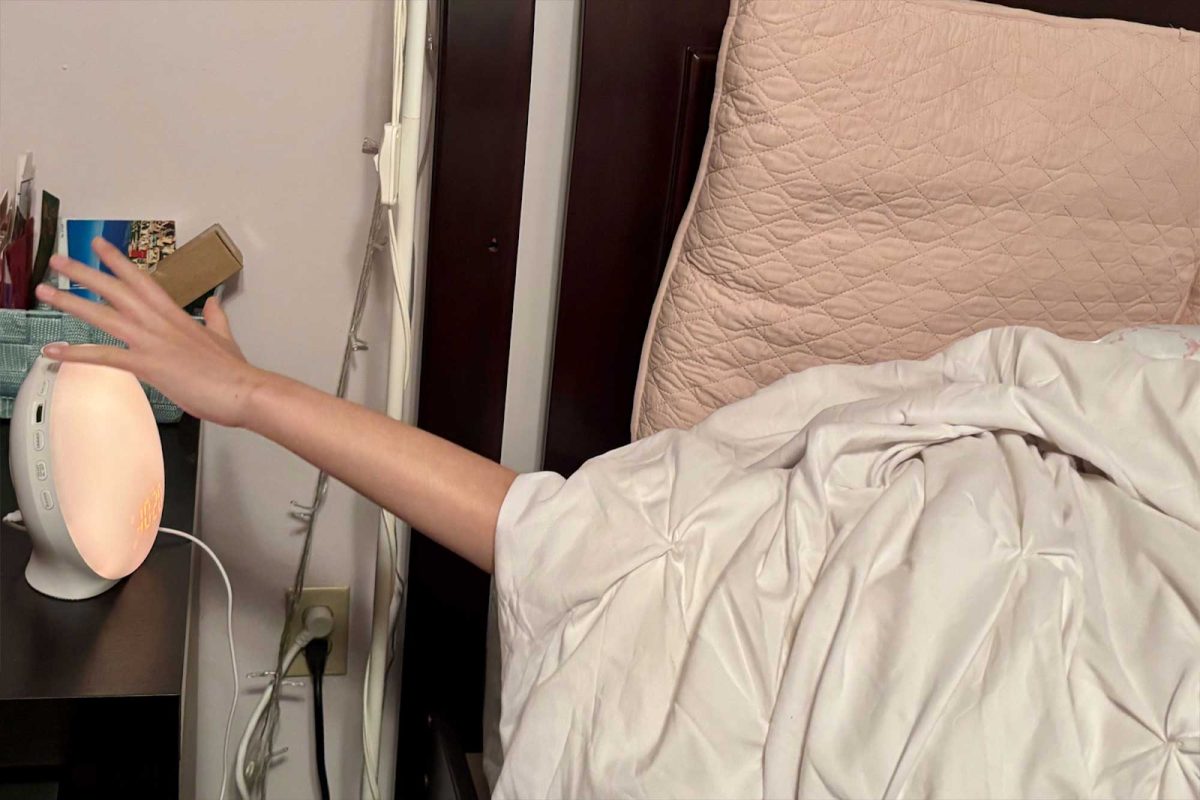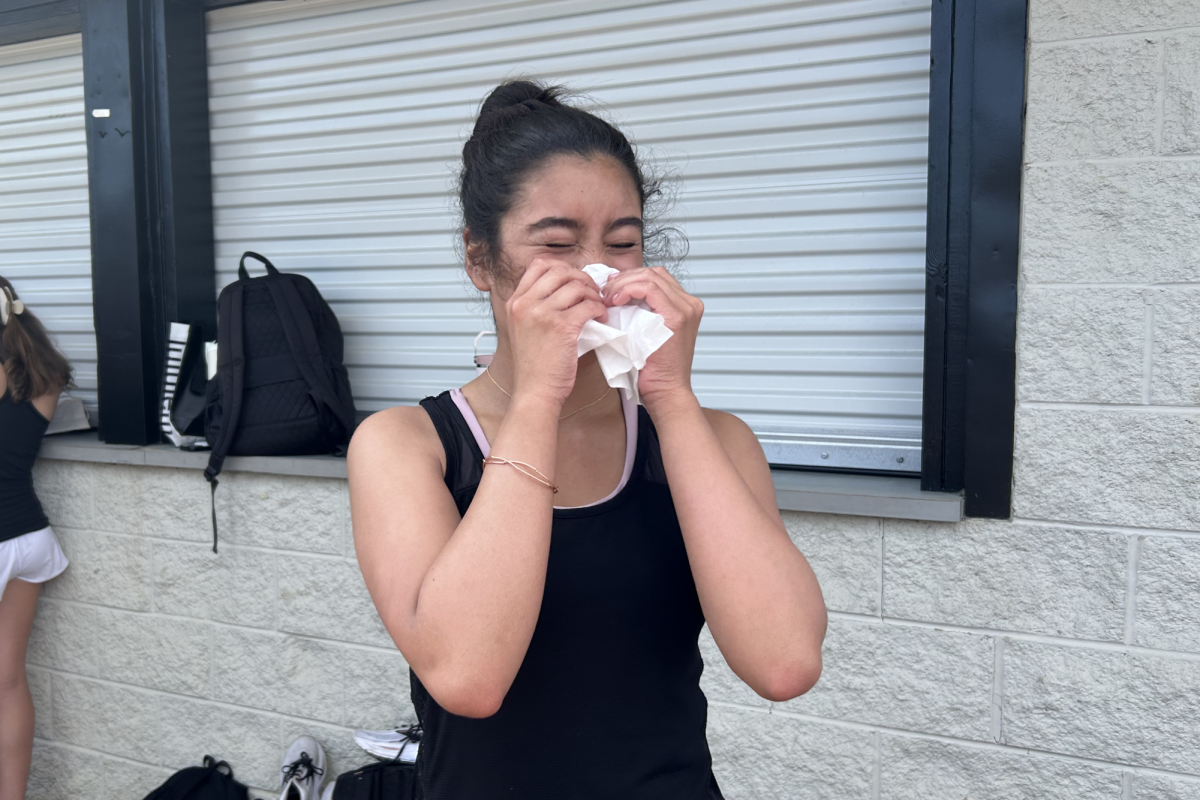

When walking down the hallway during the winter months, it is common to hear someone coughing or to hear an occasional sneeze and the apology that quickly follows. After all, the winter months often bring higher rates of illness.
Diseases and sicknesses come from pathogens, infectious agents that can cause disease. There are multiple factors that help pathogens spread: the state of one’s immune system, airflow, and proximity.
Cold weather weakens the immune system, which fights off pathogens. According to science teacher Mr. Timothy Styer, the immune system is vulnerable to changes, no matter the size. Styer offers advice to help during these immune vulnerabilities.
“Try and maintain a good daily habit, because if you change a lot of things, a lot of times… It just makes you more vulnerable,” he said.
The body also has normal responses to the cold that can increase the risk of sickness. To try to preserve body heat, the body narrows its blood vessels in a process called vasoconstriction. According to ScienceAlert, vasoconstriction makes it harder for the heart to pump blood around the body, and reduces blood flow. In areas near airways and the nose, reduced blood flow can weaken the defenses of the immune system.
Another factor of the cold that increases the chance of getting sick is the dry air. Air is less humid in the winter, especially in rooms being heated.
Science teacher Ms. Katie Shepard points to the increased amount of water that can be held in the air during the winter.
“We expel water droplets, and in those water droplets are the pathogens, the viruses or bacteria,” Shepard said.
Shepard pointed out that when the air is dry, the water droplets are very small, and they can hang in the air for a much longer time than they can in the summer.
“If they’re hanging in the air for a much longer time, it’s a higher likelihood that we’re walking through breathing in these water droplets that are in the air,” she said.
Not only does the dry air allow pathogens to hang in the air, but it also takes moisture away from the nose and the throat. According to Hartford HealthCare, when these passages are dry, it makes it harder for the body to trap and get rid of pathogens, making people more susceptible to sickness.
The rise of sickness is also because the cold pushes people indoors, putting them in close proximity to one another.
“The main issue is when the weather turns cold, people spend more time congregated indoors and are more exposed to illnesses,” school nurse Ms. Sarah Fleming said. “That way, it’s not necessarily the cold weather, it’s more the time we are spending is longer and longer inside and exposed to each other.”
It’s important to stay safe during the winter. There is a tremendous amount of research supporting the significance of just washing your hands.
It’s also important to spend time recovering from being sick. Not resting will worsen the effects of the sickness, and it can result in pathogens being spread to other people.
“If you’re sick, [stay] home and actually [recover] so that you’re not coming in and spreading your illness to potentially other people,” Fleming said.