

The Strath Haven Rowing Club was introduced decades ago as a chance for students to participate in a physically demanding sport with rich history and culture.
However, the club was disbanded in 2021 due to a lack of funding, facilities, coaches, and participants.
Ever since, there has been debate surrounding whether or not the club should be reinstated, especially when taking into consideration rising college rowing commits.
Even though the decision to reinstate the club is unresolved, students agree that there are many benefits to participating in the sport even if it’s outside of Haven.
There are varying levels of competitiveness in rowing, spanning from members who are rowing for fun, to some who want to go D1 in university. Junior Delani Rose has participated in rowing ever since seventh grade, and she dedicates around 14 hours a week to the sport.
“My team is pretty much my family,” Rose said. “I spend so much time around them, and it’s pretty bonding when you’re pushing yourself to your physical limits with somebody else.”
Junior Sennen Motsch, who started rowing last year during the winter season, had never done any sports before she got involved in rowing at Whitemarsh Boat Club.
“Since I’ve never personally done a sport before, [I’ve learned about] teamwork, [and] meeting a bunch of people and learning how to work with them, while also being motivated,” Motsch said.
Rowing has unique physical demands when compared to other school-sanctioned sports, which can both present challenges, but also improve athleticism.
“There’s definitely a lot of strain on your body, like the muscles,” Rose said. “It’s very much a strength-endurance sport. So not just strength or just endurance, like both combined.”
Participating in a rowing club outside of Haven can build a sense of community and empower players to do their best work.
“[Rowing outside of Haven] broadens my horizons with girls from other schools,” Motsch said. “I know girls from all over the area where we were in in Conshohocken. But, there’s also girls who go to Radnor, Penncrest, and just a bunch of different school districts.”
Motsch sees some benefits to having rowing as a club sport outside of Haven athletics even with challenges like a 40-minute commute to practice.
“I’d rather have a club kind of farther away [with] 40 girls from a bunch of different schools, rather than maybe 10 girls for not as good of a program,” she said. “It is such an expensive sport for five or 10 girls to be in just from one school.”
While their sport is not associated with Haven, students who participate in rowing dedicate countless hours to their clubs. From pushing the boundaries of their physical ability, to creating new ties with a community, rowing has an impact on Haven students.
“Sometimes within sports, it’s not more about the sports, but it’s about finding a family,” Athletic Director Lynelle Mosley, who has experience with a variety of sports as well working with the students at Haven, said.
“If you ever listen to a lot of sports, they all huddle up and they’re like, ‘123, family’. And I think that’s one of the biggest benefits of sports. It gives you a place to belong, and especially in this day and age, that’s sometimes life saving.”
If you or someone you know wants to get involved in rowing, there are many opportunities to participate in club outside of Haven. Conshohocken Rowing Center, Whitemarsh Boat Club, and BLJ Community Rowing offer various summer programs as well as initiatives during the school year to get students of all experiences involved in rowing.
“Rowing is one of those unique sports where you need [to learn to be part of a team],” Mosley said. “Everyone needs to be on the same accord, and everyone needs to be doing the same thing… It teaches you how to work with others, how to make sure that you’re picking up your pace, you’re keeping up with your slack, and it puts even a little bit back on you to have some onus on yourself, because if you don’t do your part, then the next person can’t do their part.”
For Rose, the benefits of rowing relate to the positive culture of the team as well as the individual benefits of the sport.
“I love the feeling of how everything kind of fades away when you’re on the water, all your problems are left back on land,” she said.




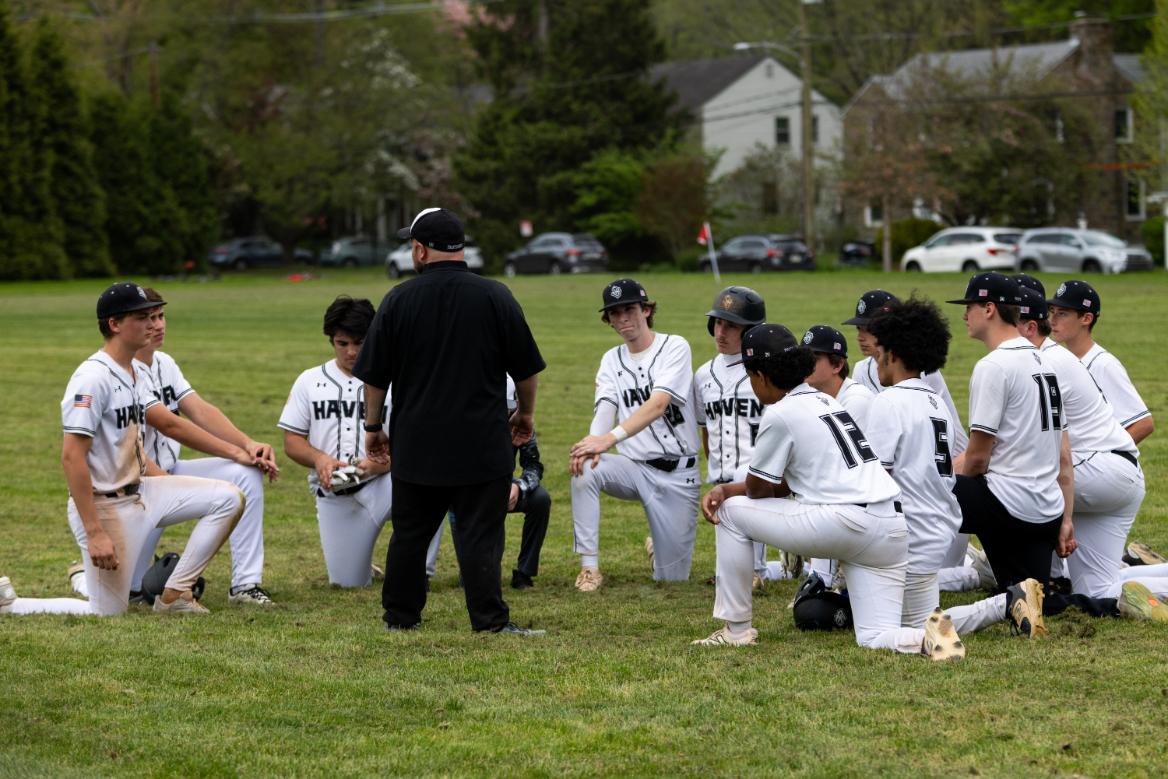

![The girls varsity lacrosse team shouts during their pre-game huddle at their playoff game against Villa Maria Academy on May 19. The team lost 5-15, but the athletes had a lot of great saves and plays. "Coming off of a season losing a lot of valuable players, I think we really adjusted well, and we came together [and] did the best we could," Tessa Dignazio (10) said.](https://shpantherpress.com/wp-content/uploads/2026/05/GEBHARDT-GLAX-5.19-19.jpg)
![The varsity softball team chants during their pre-game huddle at the Division I playoff game against Phoenixville on May 18. The girls ended with a 14-7 record. “I think it was a really good season, especially [since] we went into the season with positions being moved around and losing a lot of important seniors from last year,” catcher Alyssa Bisordi (10) said.](https://shpantherpress.com/wp-content/uploads/2026/05/GEBHARDT-SOFTBALL-PLAYOFFS-5.18-2-1-1200x800.jpg)