ASL Club members are breaking the barriers of communication.
ASL Club functions as an introduction to America’s version of sign language, which is the most common form of communication for individuals who are deaf or hard of hearing. Students meet to practice the language during fifth block on Wednesdays in Ms. Renee Gillam’s classroom.
Gillam, who is a hearing support teacher at Haven, teaches club members about the different facets of American Sign Language, in addition to simple words or phrases within the language.
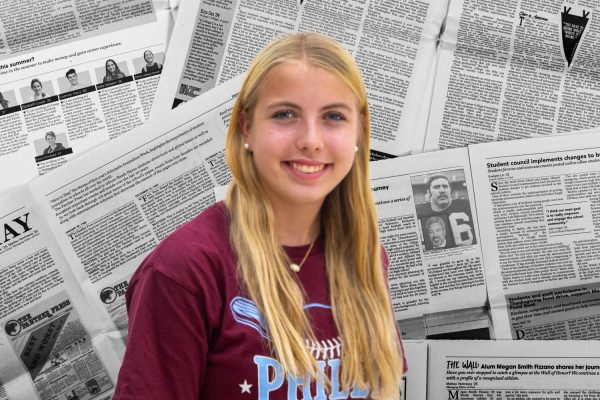
Club president and junior Roxanna Shelton enjoys the structure of club meetings, which involve Gillam teaching ASL at the students’ pace.
“[Ms. Gillam] is basically fluent in ASL, and so if we want to learn manners, like ‘please,’ ‘thank you,’ and times of day, we’ve learned that,” Shelton said. “We’ve also learned the alphabet, and I think in the future we’re going to learn numbers.”
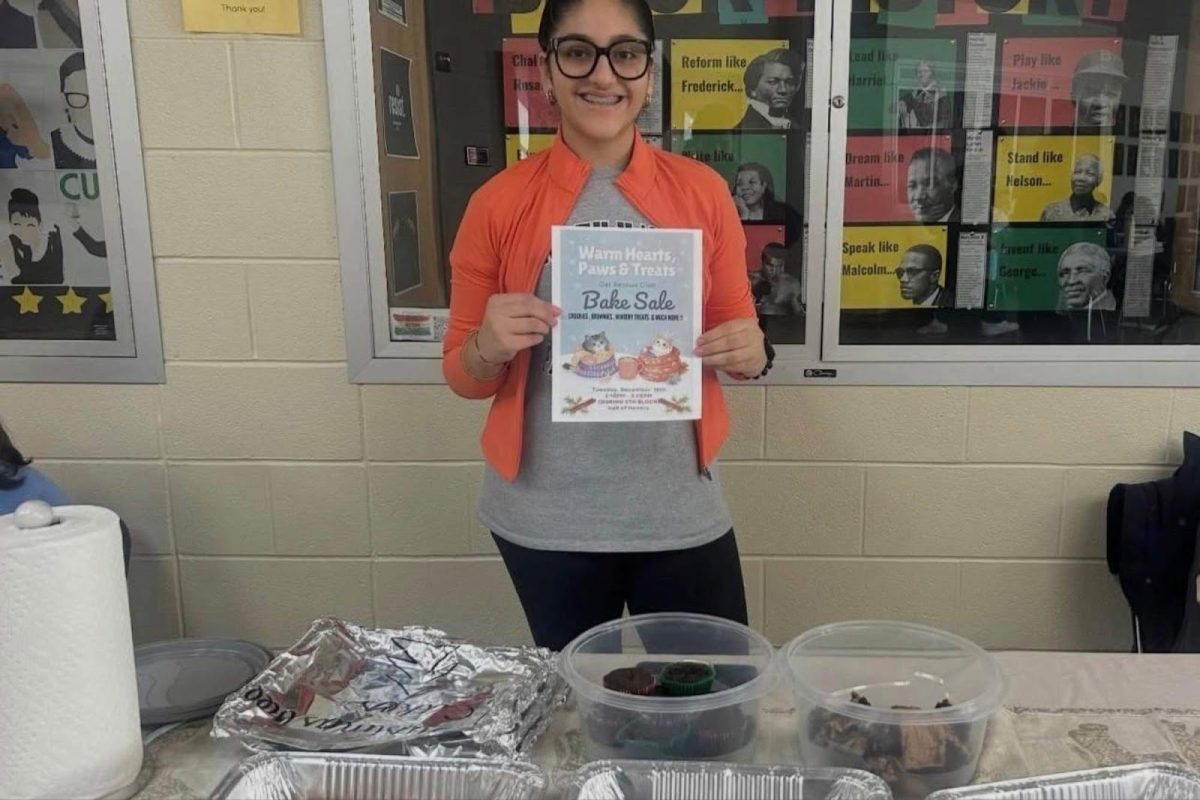
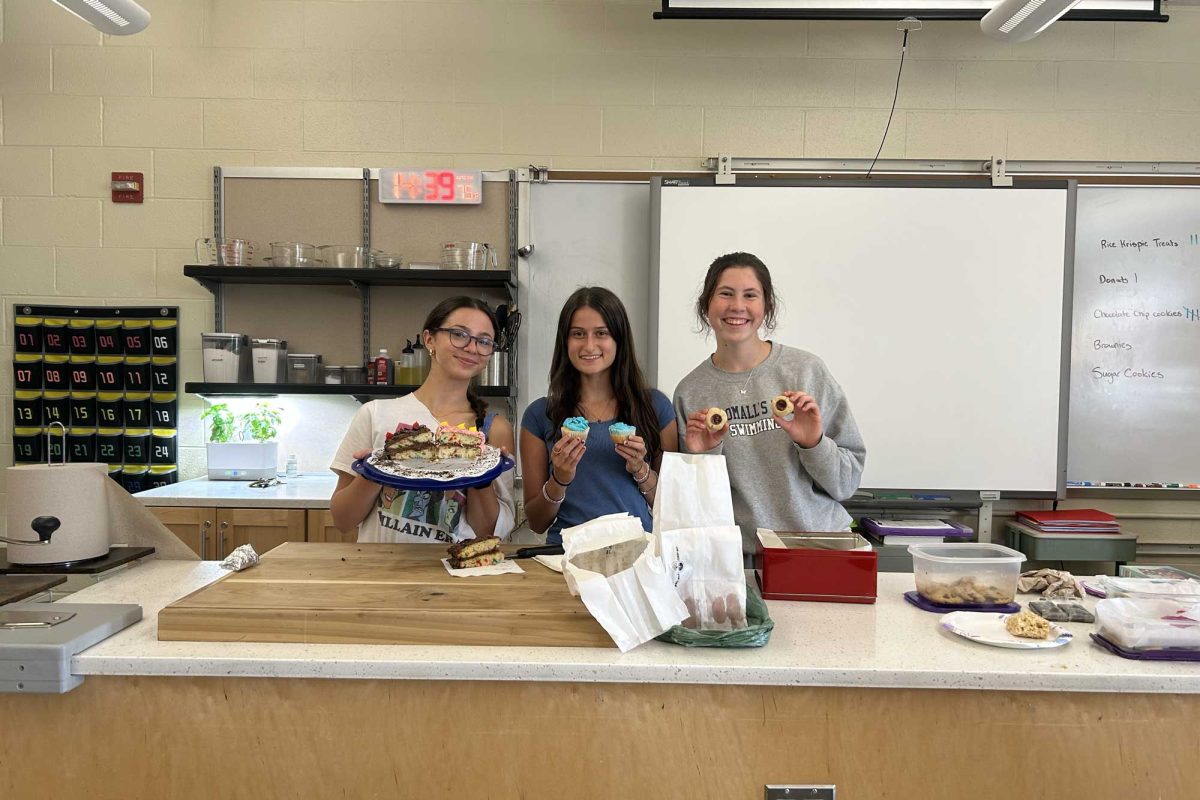
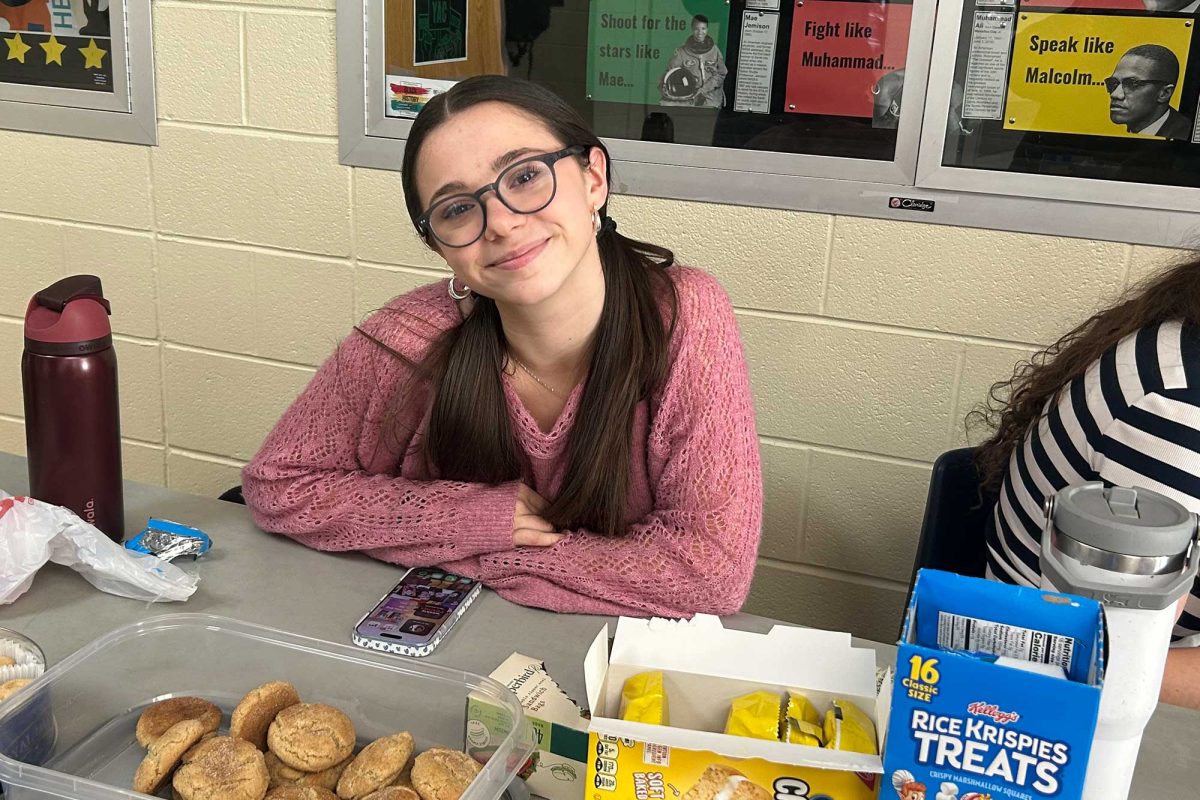
Shelton helps pick dates for meetings and arrange fundraisers for the club, including bake sales on Feb. 2 and 3 that raised money for the club. Her leadership role may look a little bit different due to the club’s size, but Shelton sees it as a pro rather than a con.
“It’s a very small group, and I personally really like that because it feels more and more one on one and more personal,” Shelton said. “So it’s definitely easier for me to learn like that.”
The small group not only allows for personalized learning for club members, but also time for further discussions about the impact of ASL on both Haven and the entire country.
“Sometimes we’ll talk about the cultural aspects, aspects of hearing loss, and sometimes we’ll talk about how hearing loss works in this building,” Gillam said. “Or how [the] education of kids that are deaf and hard of hearing works in this building as opposed to other places that I’ve been to.”
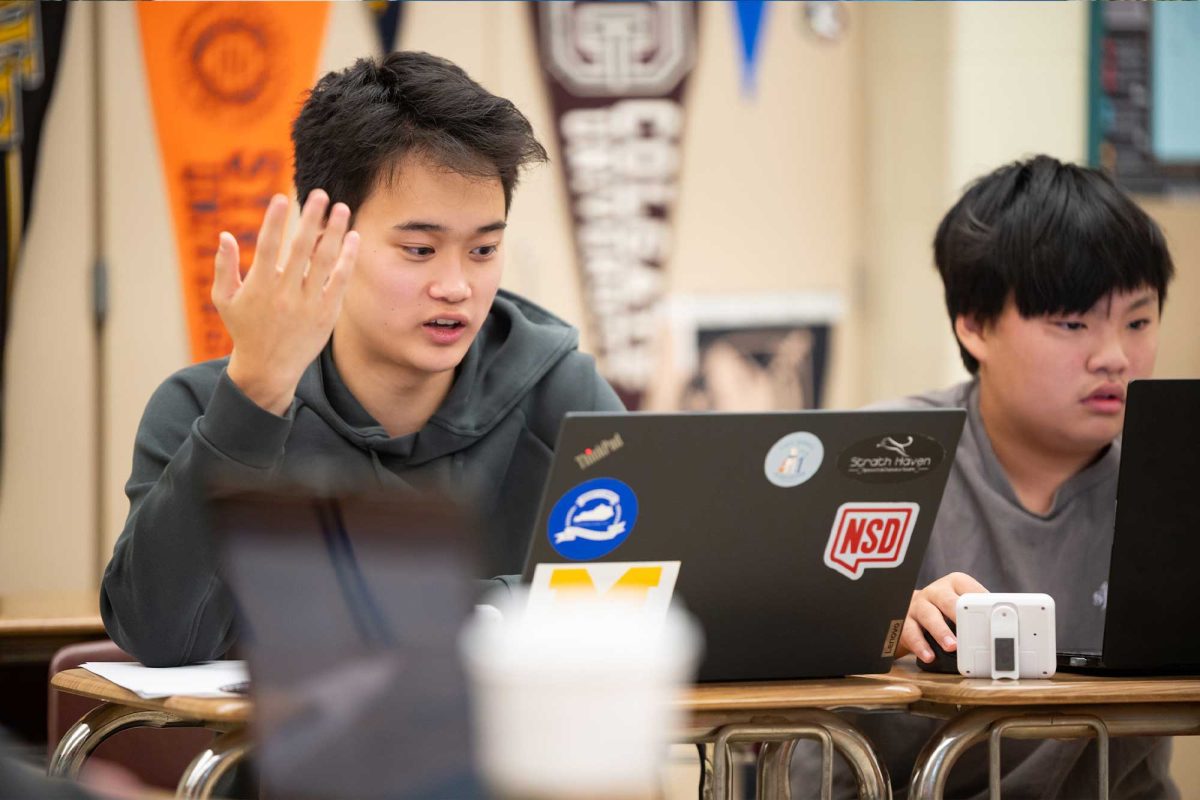
According to junior Sophia Gao, the group’s size and members contribute to a tight-knit community where everyone is welcome.
“I really enjoy how the members are so inclusive, and we get to learn more about how to communicate with people who cannot hear,” Gao said. “It’s very community-based.”
ASL is spoken by an estimated 500,000 individuals according to the Commission on the Deaf and Hard of Hearing of Rhode Island. However, that still leaves a large number of Americans who do not know the language and thus have little room to communicate with people who rely on the language, which is part of what inspired Shelton to both join and lead the club.
“I think it’s important because [ASL] is not as well known,” Shelton said. “I feel like there’s people everywhere that know sign language because they were born deaf and had to learn it…that would just be so cool if you’ve learned that about them and then you can communicate.”
Gillam agrees with Shelton about the significance of knowing the language and how it can touch the lives of many.
“Anybody that learns even some basic sign language can really make a difference to somebody who’s deaf, because then we open the lines of communication,” Gillam said. “It’s really nice when we have a chance to step into their world of their language and meet them halfway.”