Middle school is preparation for high school. High school should be preparation for the real world. Yet a survey conducted by Gallup found that only about half of Gen Z felt prepared for the future.
A crucial part of adulthood is participating in the democratic process. Unfortunately, according to The State of Youth Civic Engagement, in 2024, 44% of young nonvoters were “disinterested or disliked the candidates.” Only 47% of youth turned up to vote in the 2024 presidential election.
For teens, it’s vital that schools work with students to turn them into informed voters; to make that process happen, students must be open to learning more, and schools need to provide them with ways to do so.
Currently, Haven does not have enough of those opportunities.
High school is the last checkpoint before the real world, and the best way to involve students in decision-making is by trusting them with a voice.
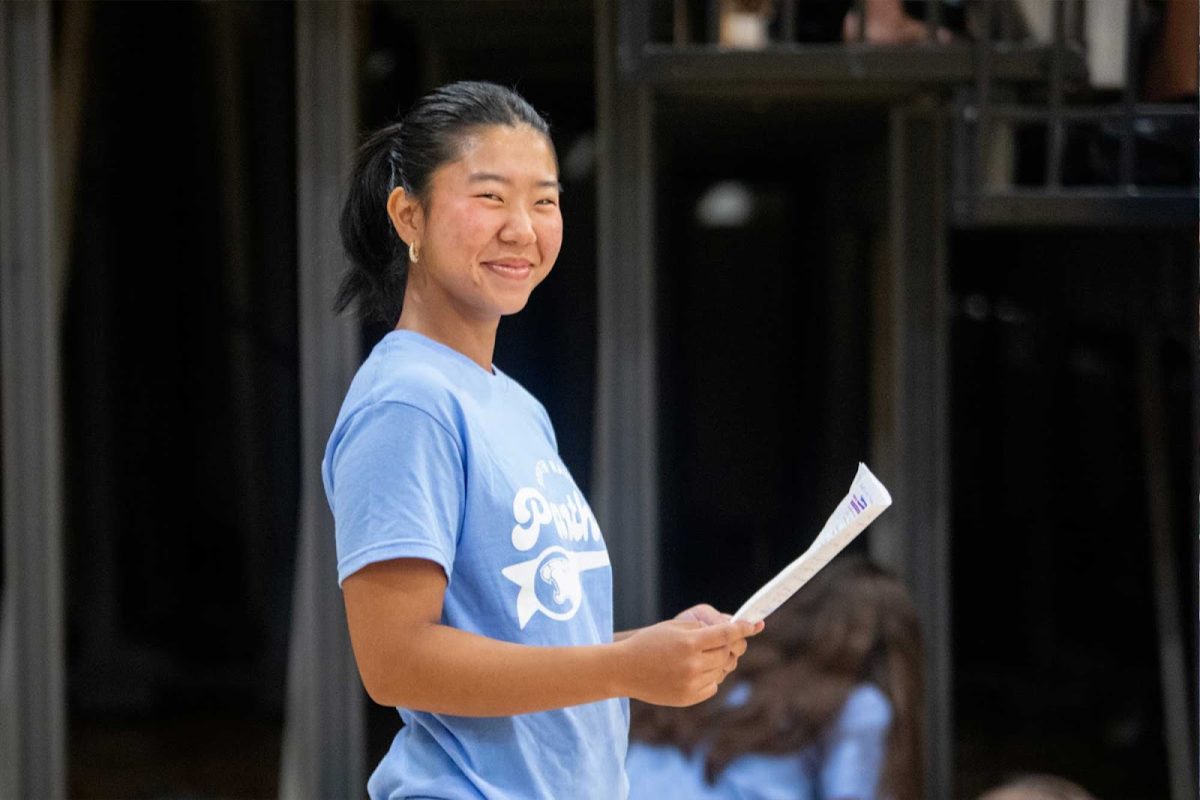
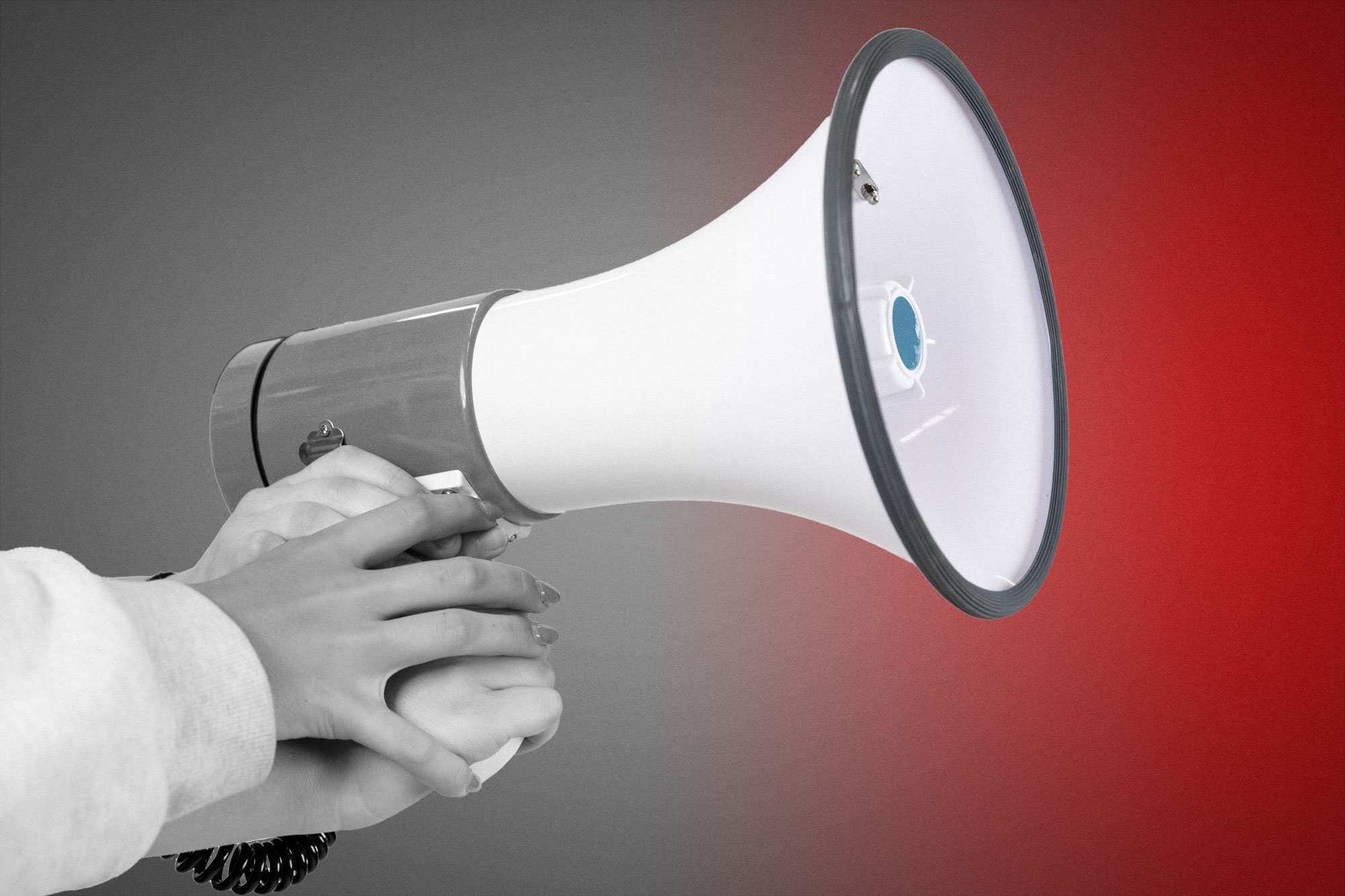
Student Council has the potential to truly be the primary voice of the student body. Every year, many students are passionate about making change, but are not sufficiently supported by the school to make that change — or even proper discussions about it — happen.
When renovations to the school are considered or a new cell phone policy is drafted, Student Council ought to have a say. The Student School Board Representatives should be empowered to give the valid feedback they want and deserve to give.
Right now, it doesn’t matter if Student Council is properly empowered because it is not a proper representation of the student body. In addition to giving Student Council more power, we need to refine our election process in two ways.
Firstly, candidate policy is not accessible to all students. Unless you have social media and can read the candidates’ bios, there is no reason to vote for one candidate over another based on policy rather than popularity.
Since 2023, The Panther Press has offered Student Council candidates a chance to share ideas and plans with the student body. But the burden should not fall on our newspaper alone to inform students of candidates’ platforms.
There needs to be a stronger effort to broadcast student campaigns outside of social media, like by providing leaflets with candidates’ proposals to students in class. The more accessible we make those campaigns, the more encouraged students will be to engage with them.
Secondly, Student Council’s leaders are elected in a process split into thirds, with the student vote constituting only a one-third portion of the process. The rest comes from an interview with a Student Council adviser and leadership, along with teachers rating students on a 1-5 scale. This is an insufficient balance of student voice.
In the real world, elections are decided by a vote of the people. There is no interview by prior presidents to ensure presidential candidates are fit for office. There are no ratings submitted by candidates’ teachers.
Does this process ensure that student leaders are as school-approved as possible? Yes, it does.
But it is imperative that our student government, which was recently identified in district policy as “the primary voice of the student body,” actually reflects the will of the students. It’s not the voice of the student body if the student vote only constitutes one-third of the election process.
Democracy is not perfect. It often does not deliver the best leaders, whether those leaders are planning Homecoming, collaborating with school administrators, or fighting wars abroad.
Yet that imperfection is one of our greatest strengths as a democracy. For better or worse, we will control our own destiny in the real world, and we should in high school as well.
Giving more power to students may seem radical or ill-advised. And yet, for students who will imminently enter our democracy, it is a necessity.
As the Supreme Court recognized in Mahanoy v. B.L., “America’s public schools are the nurseries of democracy.”
So, let us hand power to the students. Give us a chance to learn from our mistakes. Help us prepare for the amount of problem-solving we have to do in this messy world.
Because if we can’t trust students to elect the president of Student Council, how can we trust them to elect the next president of the United States?
Infobox reporting by Matthew Ramirez ’26
The unsigned editorial represents the opinion of the Editorial Board, which consists of the majority of student editorial staff listed on this page.