Notes Document
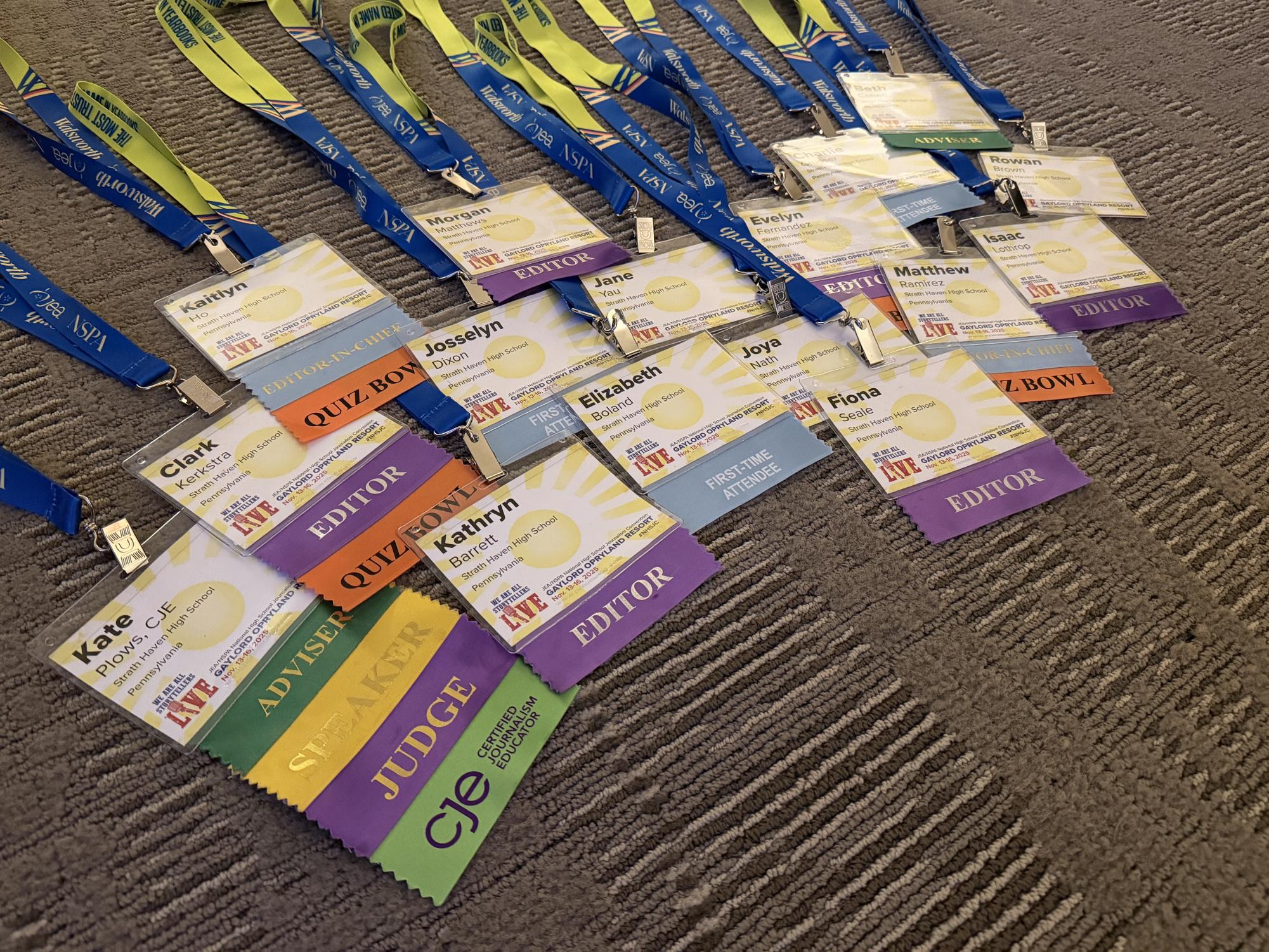
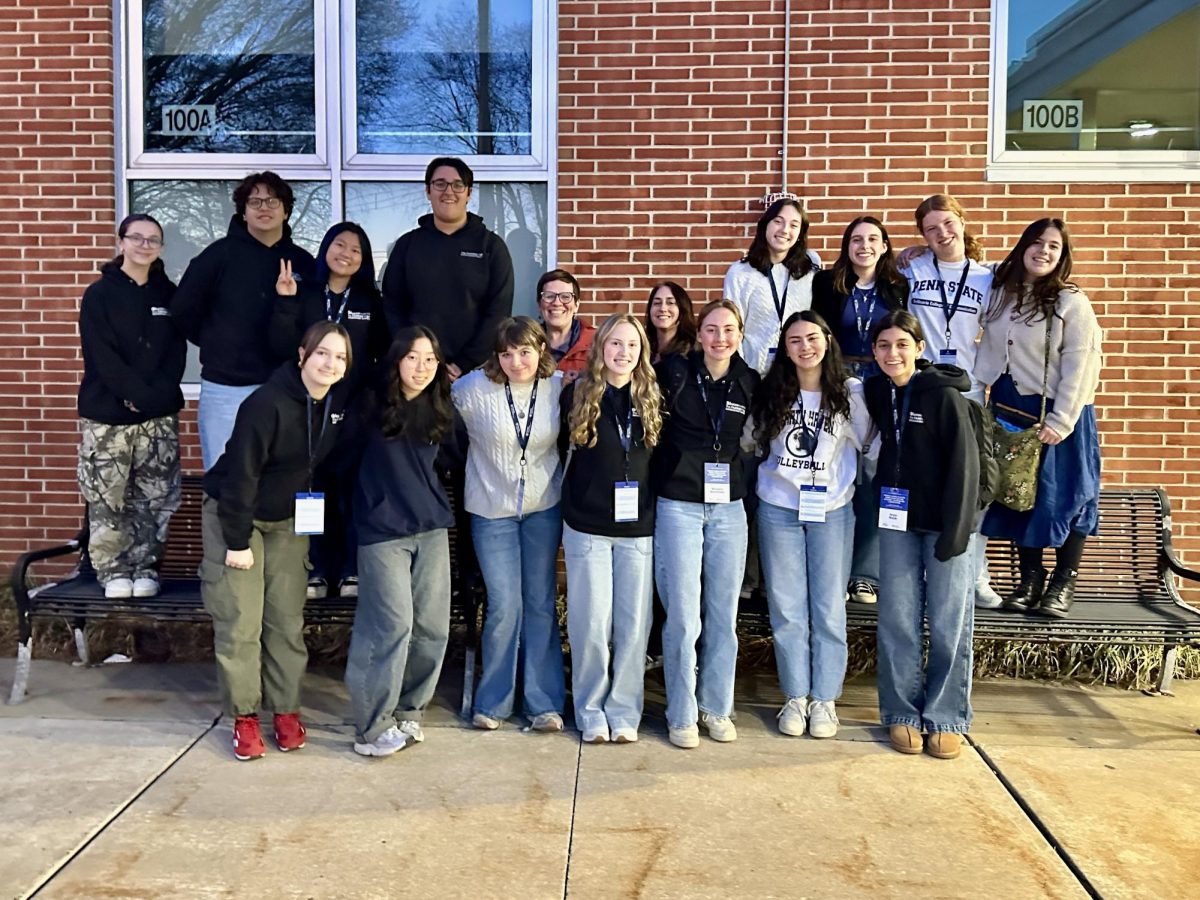
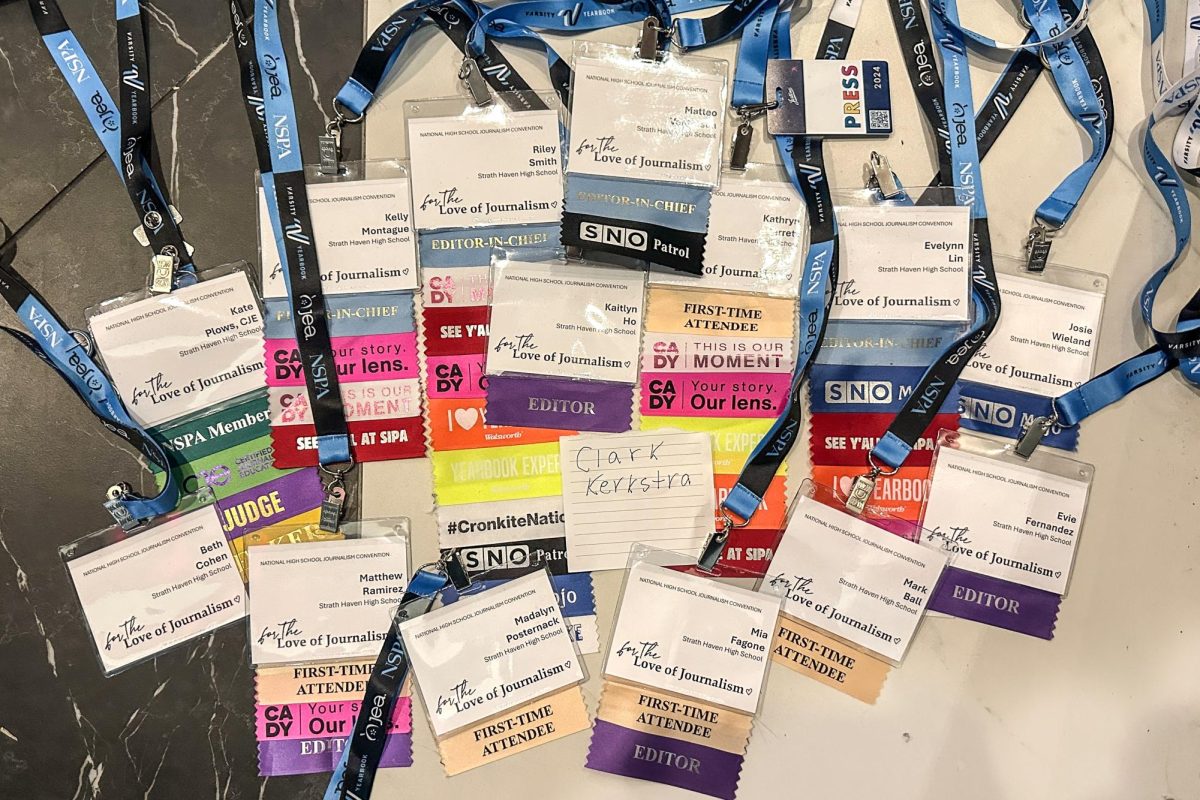
This was my third year going to the National High School Journalism Convention for Panther Press, and I can honestly say that it was the best experience yet.
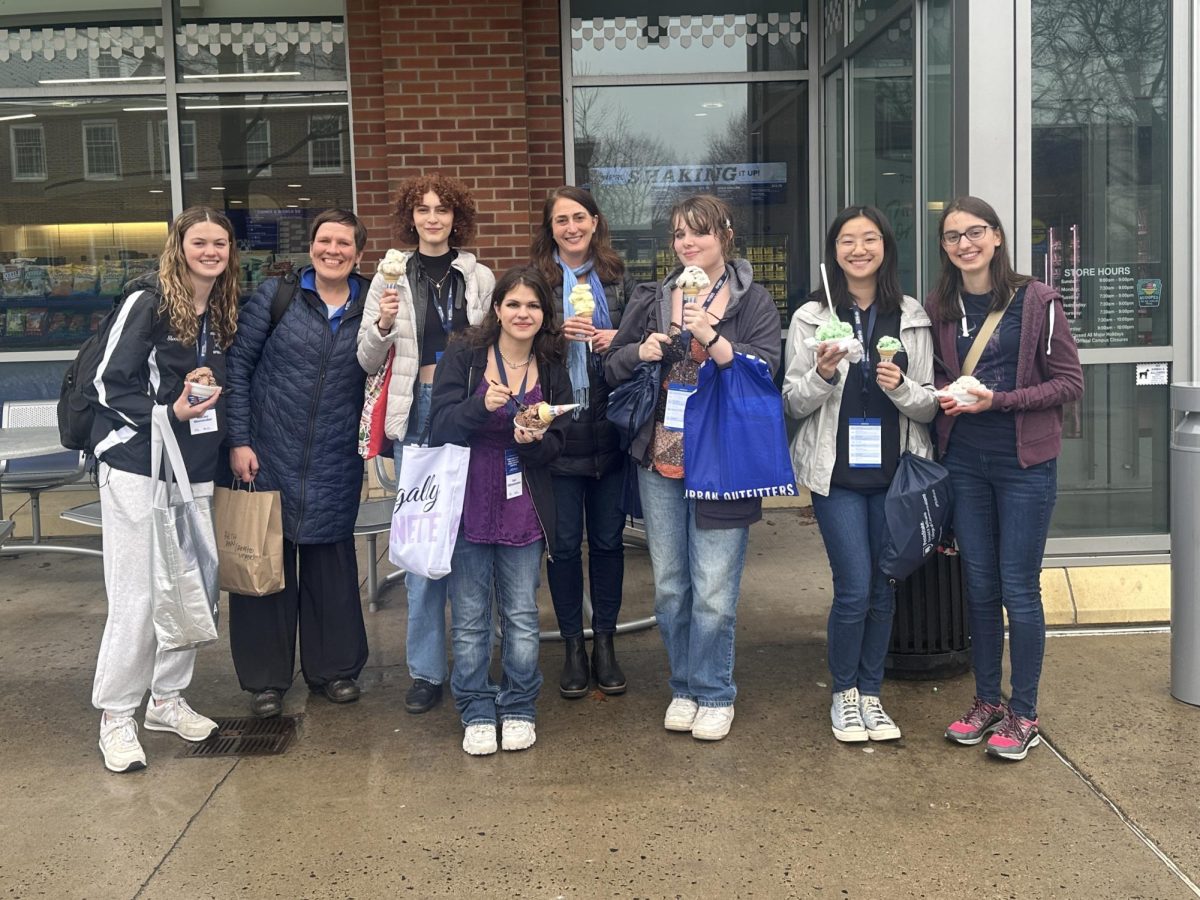
Longer field trips like these are always fantastic in that they provide the perfect opportunity to get to know all of the dedicated people on the newspaper staff that I probably wouldn’t otherwise have spent that much time with. Getting to know everyone was so amazing, and I think overall we bonded as a team very well.
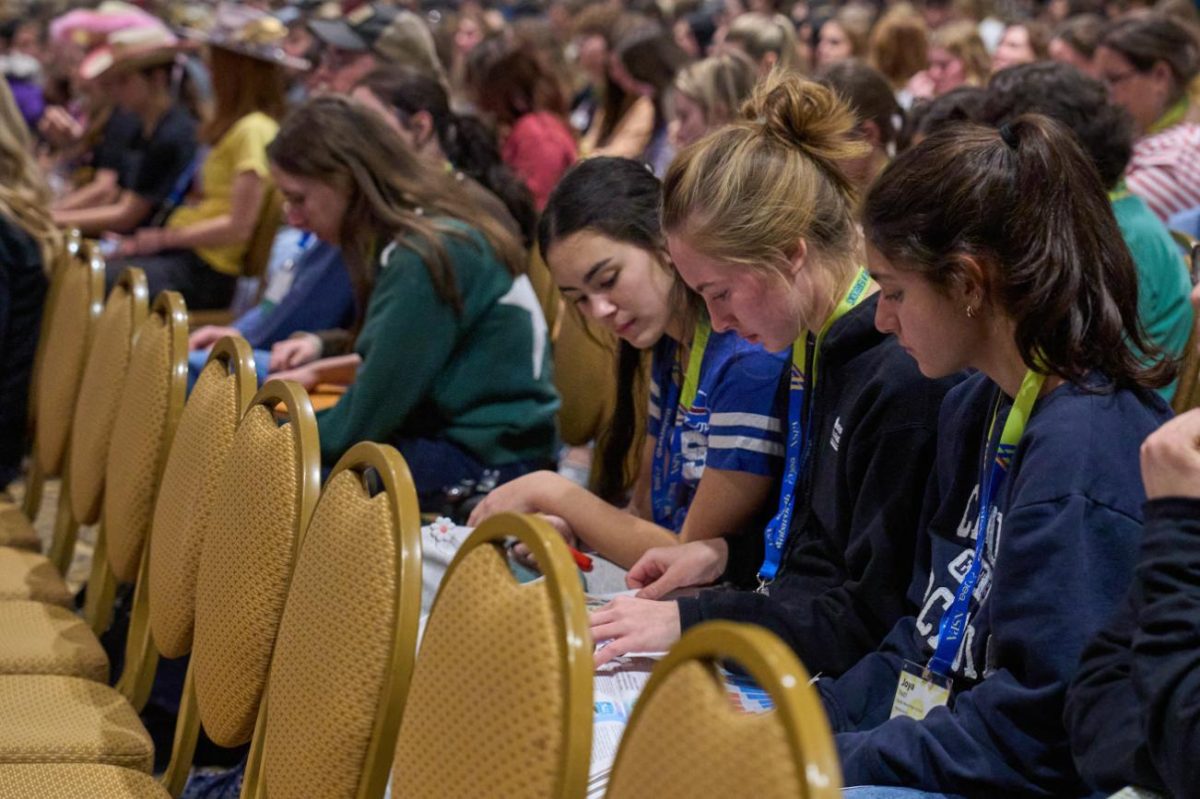
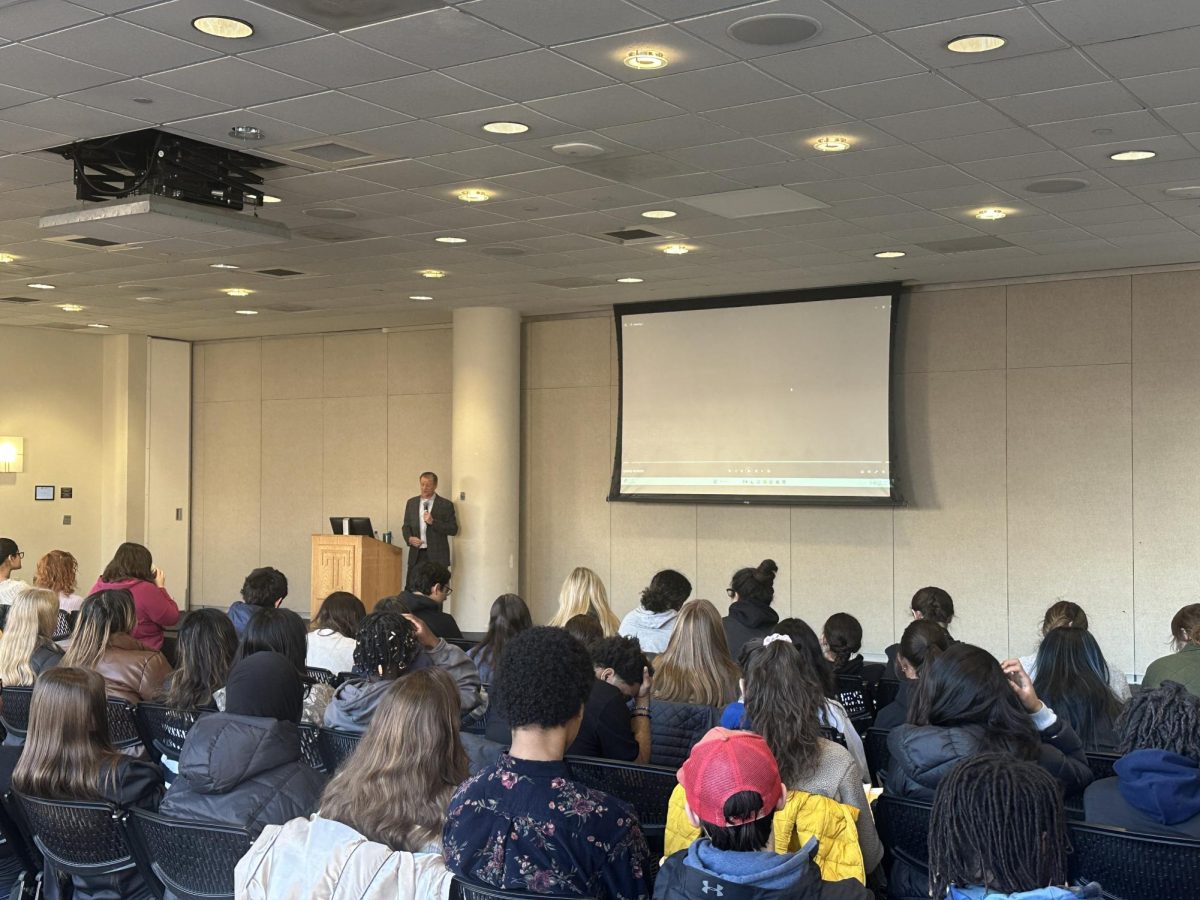
But to get to the actual convention: it was incredible. Seeing so many student journalists in a room will never not be shocking to me (5,000+ student journalists– the largest convention since the COVID-19 pandemic), and getting to meet so many new people is always incredible. All of the students/professionals leading sessions are so knowledgeable and so open as resources, which is always great for my many questions.
The biggest thing I think I worked on while in Nashville was newspaper design. It’s something I’ve gotten into more this year as Managing Editor of Print, but I did a full-day workshop on it on Thursday, and I think it was one of the most constructive experiences I had while at the conference.
Designing our paper as an extracurricular is very different than how a class would do it, but learning about other school’s processes and strategies was incredibly interesting, and I think going to the workshop and learning all of the technicalities related to design was great, and it helped me create some manageable goals to improve our paper as we move on with the year.
Overall, the convention is always an incredible experience, and this year it truly delivered. I learned so much, and I’m sure that I grew as a student journalist as a result of this trip.
School Name-ify It - Friday 9 a.m.
https://www.hspresscentral.com
jetsflyover.com
hilifenewsmag.com
OBJECTIVES
- Why do local angles matter?
Copying national/local news = red sea (dead)
- Can’t compete with their news cycle
- Stories that readers can’t find anywhere else
Find someone nearby to speak to about national issues. Local interviewee = new perspective/appropriate localization.
President signs a new education bill → impacts of president’s new education bill on students
Factory closures, 200 locals lose jobs → impacts on families in your district
3 STEP FORMULA
- Identify the gap
- What’s missing in current coverage?
- Humanize the story
- Direct local stakeholders, lived experiences?
- Extend the timeline
- What happens after the headlines fade?
FIND UNIQUE ANGLES - STORIES OVER STATISTICS
- Humans behind stats
- People who live the issue, not people who can comment
- Firsthand experiences, not opinions
LIVED EXPERIENCE
Ex. National Vaping Crisis → interview an anonymous students
UNIQUE STORIES
- Talk to people
- Watch your communities
- Unique perspectives
- All research is me-search
LOCAL NEWS PIPELINE
- Section of the pitch sheet with current events ideas from bigger news that can be localized biweekly
Not Your Average Sports Coverage - Friday 10 a.m.
Ben Langevin, Oviedo HS Journalism Adviser (OHS Now) | [email protected]
Community identity is tied to local sports teams
Not just about playing time or how good your team is.
Student journalists are part of the community we’re reporting on
- Unique access to student athletes
- “We don’t buy history, we make it.”
- OUR team
Sports are tied to school identity
- Briefs (classic)
- Photos (baby powder 😭)
- Full sports spreads for ybk w/ captain profiles at the bottom of the page
- Dedicated sports mag
- What’s in your bag sports mod?
Five commandments of interesting sports coverage
1. Athletes (and their supporters) are PEOPLE FIRST.
-
- Ex. Robert Wickens
- What unifies us as human beings?
- Conflict, pain, struggle, resilience, desire, joy
2. Every stone can turn into David.
-
- The story is always there– you may have to chisel away at it but it exists
- Time, attention to detail, and open ears are key.
- Beat system– every sport gets a photographer/writer. Embed yourself in their community, get to know them, ride buses to games– be there. Build trust.
- Cover the people, not the sport.
3. You have to be there to be there.
-
- No ‘butt reporting’- again, you have to be there. You can’t just email from the sidelines, you have to go up to people.
- Instagram increased sales almost 25%
- Weekly wrap up for beats.
- Ask the questions when they’re hyped for the best answers.
4. Show (and tell) what your readers can’t see.
-
- Behind the scenes, stands reactions, weird angles, close-ups, drone, etc.
- Wield your press pass wisely– go to practice.
- Use whatever you have, it’s more than your audience has.
- Day in the life of an athlete before a game.
4. Read, listen and watch good sports journalism.
-
- The Last Dance, 30 for 30, The Athletic, BYU sports photo, Palo Alto HS
Telling the Story of a Lifetime - Friday 1 p.m.
Leon Alligood, Professor at Middle TN State University (15 yrs)
Always looking for the next big story to get you on the front page.
Universal themes
- TRANSCEND DIVISIONS
- Kindness
- Goodness
- Hate
- Love
- You have to find them– they don’t find you
- Stories of a lifetime
Ordinary people, extraordinary stories.
- How Luke got his book– Dolly Parton’s book club. Every month until they turn five, they get a book. Imagination library. Interview with DOLLY PARTON at Dollywood.
- Ed Benson– wife died, found the book she was last reading and found a letter to him from her. Wife left letters in her books in their house for after she died.
- Howell Peebles– WW2 vet, the voices of german and american soldiers singing silent night with the nurses in a field hospital on Christmas.
- Christopher Schornak– obituary, wrote about the birth of his child and then a year later wrote about his death in Iraq.
- Alice Haymer-Tubbs– very poor, dad died, no food. Christmas night, someone dropped boxes of food and gifts for the kids. Person dropped their bracelet, she kept it. Kept it as a signal for hope.
Curiosity & a friendly smile
- Have to be willing to let curiosity guide you, no matter how nervous you are.
- Be the fly on the wall. Listen and observe.
- Stories of a lifetime matter– especially now. We are so divided that we forgot that we’re all a part of humanity and humanity is built on stories. Stories are the currency of our civilization. You should start collecting stories now. Remember milestones, why are they continuing.
First steps
- Make your first contact face to face
- Explain that you’re a student journalist
- Tell them why you think their story is important
- Be respectful
- What’s the worst that could happen?
So, you have an interview → compile questions
- Use your phone recorder ← Ask open ended questions
- However, listen intently
- When you’re really listening, your body should be burning categories
- Go over notes several times; tell the story to a friend or family member
- Describe your subject
- Be choosy with your quotes
- Go chronologically: beginning, middle, and end
EVERYBODY HAS A STORY
- Profile roulette
- Think of yourself when you think about telling stories. You have a story too, you can explain who and why you are.
WRITE LIKE A CARICATURE
- Don’t make fun, but notice and note big things
Journalism Meets Marketing - Friday 2 p.m.
Laura B. Holloway – LinkedIn: @laurabholloway, IG: @storytellerhouse
Journalism degree → content writing job → marketing degree → EIC → founding marketing agency → strategic marketing correspondent + playwright
Journalism has changed
- Good journalism matters but available roles are becoming less available
Storytelling has moved beyond the newsroom
- Marketing agencies set up like newsrooms
- Produce content, all act like publishers
Brands need storytellers who can be trusted
- Journalists operate under a code of ethics, which is necessary in marketing
- “Without facts, you can’t have truth.” -Maria Ressa
- “Marketing without data is like driving with your eyes closed.” -Dan Zarrella
- Can’t tell a powerful story without knowing the people, the context, and the truth behind it.
Research reveals human insight– journalists and marketing both look for the ‘why?’
Data alone can’t reveal lived experiences like interviews and conversations.
Stories rooted in real human moments stay with people– it makes messages more memorable.
Human connection CAN’T BE AUTOMATED.
“The most rewarding part of journalism is the human connections and conversations.” -Harvard Magazine
“Marketing is about creating a connection with your audience.” -Brian Halligan
“I became a journalist to come as close as possinle to the heart of the world.” -Henry R. Luce
“It’s all storytelling, you know. That’s what journalism is all about.” -Tom Brokaw
“Tell stories that make people feel something. The best stories are the ones that elicit emotion.” -Jay Baer
Journalism skills → marketing skills
- Research → market insights
- Understanding people, motivations, and behavioral truths.
- Interviewing → customer stories
- Asking meaningful questions that lead to emotional responses.
- Writing & editing → clear, compelling messaging
- Crafting stories, headlines, copy, and captions that connect quickly and powerfully.
- Ethics & accuracy → brand trust
- Protecting truth, building credibility, creating honest communication.
- Deadline discipline → campain execution
- Thriving under pressure, managing timelines, and producing high-quality work fast.
Most valuable journalism skill that translates to marketing is storytelling
Celebrating Clubs - Saturday 12 p.m.
Kate Plows | Presentation
Club programs are common– just not at national conventions.
#1 challenge: everything else comes first.
5 key topics
- Clear (but flexible) goals
-
-
- It takes 4 years to build a culture
- Set manageable goals
- No consequences if the newspaper doesn’t come out– but the yearbook is a big deal, and people count on it
- Have to adapt to the personalities of the members of staff
-
-
- Space– media lab (223)
- Healthy competition
- Candy– good strategy
- Shared resources between PP + yearbook
-
-
- Training
- Badge training– 1/1.5 hour small evening sessions, repeated
- Know your team
- Meeting structure: working shoulder-to-shoulder with staff as much as possible
- Good relationship with administration. Good feedback is key
-
-
- Be the team that’s in demand
- Stand by your work (which is your team’s work)
- Friend before boss (Andy B)
- Share feedback
- Unified basketball email 😀
- Brand identity
- Sweatshirts, memberships, awards, trips, etc.
How do you build engagement with students who aren’t in a class?
-
- Deadline parties (just bring snacks and hang out)
- Have to get things done or you can’t come to the party
- Offering food (cookies)
We need the research. What’s going on at schools that aren’t part of state or national organizations? How do we support the future of journalism without journalism curriculum in all schools– especially now?
Review a Movie, Review the World - Saturday 1 p.m.
Dean Bradshaw, Adlai E. Stevenson HS | Presentation https://www.statesmanshs.org/category/news/
No Country For Old Men
- Some people are aware of more than others– high schoolers will understand none of it.
Expertise and voice
- Own your expertise
- Who are you an expert in, not what.
- Expert in being a student of your age in your community.
- Great reviewer finds their voice and creates a style.
- Roger Ebert for good, funny reviews.
- ROTTEN TOMATOES for reviews
Build a FILM review
-
- OPINION IMMEDIATELY but don’t give EVERYTHING away
- Allows for creativity you can’t find most other places
-
- What is the plot?
- What’s going on?
- NO SPOILERS
- Brief, emphasize key moments
- When there’s no plot– what is presented? Overall theme.
- Restaurants: menu summary,
-
- Usually present, but not always
- Most famous person in the movie?
- Context
| Movie |
Other reviews |
| Genre |
Menu |
| Actor(s) |
Cost |
| Director |
Atmosphere |
| Hype |
Competition |
- Abbreviated evaluation – opinion
-
- GOOD REVIEWS ARE SHORT
- Evaluation of what does/doesn’t work, and WHY
- Limit evaluation to 1-2 key items that are really representative of your opinion
- Consider acting, plot/script, and entertainment value.
- What does the movie try to do and how well does it do it?
-
- Always make sure it’s clear what your reader should do.
- Hammer the point home
Both a ‘it’s good/bad go see it’ and ‘it’s good/bad and HERE’S WHY’ reader needs to be served
You can review ANYTHING.
Examples (Ledes)
- HIM, Robert Daniels
- Zero Day, Brian Tellerico
- Frankenstein, Glenn Kinney
- Fallout 4, Peter Suderman
Examples (Plot synopsis)
- Barbie, Christy Lemire
- Midwest Princess, Olivia Horn
Examples (Background)
- Midwest Princess, Olivia Horn
- Fallout 4, Peter Suderman
- Rosebud, Jeff Ruby
Examples (Abbreviated evaluation)
- Attack of the Clones, Roger Ebert
- Avatar, Roger Ebert
- Titanic, Roger Ebert
- American Kitchen, Pete Wells
- 1989 (TV), Shaad D’Souza
Examples (Kicker)
- Barbie, Christy Lemire
- Poor Things, Christy Lemire
- C.A.: Brave New World, Robert Daniels
- American Kitchen, Pete Wells (Thanks is the only only non-question in the review)
You're Losing Readers, Here's Why - Saturday 2 p.m.
Sofia Ball, Northwest Passage, Shawnee Mission Northwest
Emulsifying mediums to get the best interaction possible.
“Journalism is always the art of incomplete. You get bits and pieces.” -Anthony Shadid
Portlandia
What makes a good photo?
- Rule of thirds
- Reaction
- Interaction
- Tight cropping
- Repetition/breaking repetition
- Good composition
- Angles
- Close-ups
GET UNCOMFORTABLE
- Loudest sound other than the mother of the boy who died crying was her shutter speeds
What makes a successful photo essay?
- Variety
- Angles, subjects, colors, composition
- Impact
- Authenticity
- Reporting
- Faces
- Don’t want to see a faceless photo
- First point of connestion with a photo story
- Narrative
- Details
- EXAMPLE: NYT “Where We Are” Photo Essays
- Good writing comes with details
What are high schools doing?
- No Touching (New Passage)
- Not the best title
- Pull color is a good throughline
- Cannabis Controversy (Verde Magazine)
- Great type/font choices, huge drop cap
- Don’t need to be A LOT of photos, as long as they’re good
- Overall avoid black and white photos. If you’re going to use it, use it throughout or selective color
- Cloud9 Coffee (Verde Magazine)
- Big focus photo, again great font choices
- Wish there was establishing/more customer interaction
- Marching Toward Victory (Harbinger)
- Cutouts, interesting layout, great colors, good throughlines
- Leading lines
- Brewing Success (Harbinger)
- QR code to story isn’t great. Makes story seem less important
- Strong cutouts
- Walkout (Northwest Passage)
- Walkout for gun violence
- Strong emotion/expressions
- Signs showcased well.
What do all of these do well?
- Clear dominant
- Play with depth
- Consistent spacing
- LOTS of faces, moments, and actions
Everything starts with social media. PROMOTE YOUR PHOTOS.